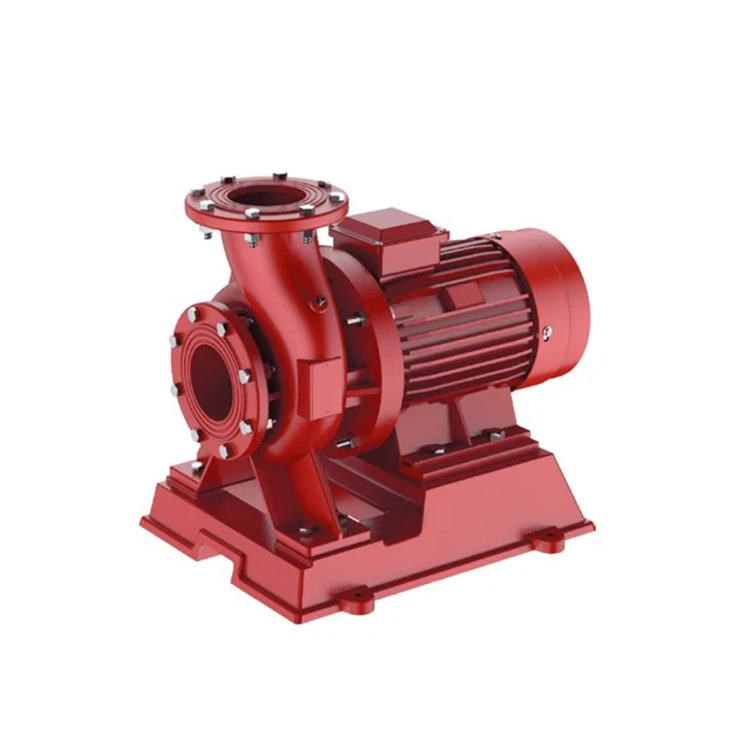
As a supplier of ISW Horizontal Pumps, I understand the critical importance of monitoring specific parameters to ensure the optimal performance, reliability, and longevity of these pumps. In this blog post, I will delve into the key monitoring parameters that should be focused on for the ISW Horizontal Pump, providing insights based on industry knowledge and practical experience.
Flow Rate
Flow rate is one of the most fundamental parameters to monitor for the ISW Horizontal Pump. It refers to the volume of fluid that the pump can move through the system per unit of time, typically measured in liters per minute (L/min) or cubic meters per hour (m³/h). Monitoring the flow rate allows operators to assess the pump's ability to meet the system's demand and detect any potential issues such as blockages, leaks, or pump cavitation.
A decrease in flow rate may indicate a problem with the pump itself, such as a worn impeller, clogged suction or discharge lines, or a malfunctioning valve. On the other hand, an increase in flow rate beyond the pump's rated capacity can lead to excessive power consumption, increased wear and tear on the pump components, and potential damage to the system. Therefore, it is essential to regularly monitor the flow rate and compare it to the pump's specifications to ensure that it is operating within the recommended range.
To measure the flow rate, various methods can be used, including flow meters such as electromagnetic flow meters, ultrasonic flow meters, or turbine flow meters. These devices provide accurate and real-time measurements of the flow rate, allowing operators to make informed decisions and take appropriate actions if necessary.
Pressure
Pressure is another critical parameter to monitor for the ISW Horizontal Pump. It refers to the force exerted by the fluid on the walls of the piping system and is typically measured in pascals (Pa), kilopascals (kPa), or pounds per square inch (psi). Monitoring the pressure allows operators to assess the pump's ability to generate the required pressure to overcome the resistance in the system and ensure the proper flow of fluid.
The pressure at the suction and discharge ports of the pump is particularly important to monitor. The suction pressure should be maintained within a certain range to prevent pump cavitation, which occurs when the pressure at the suction port drops below the vapor pressure of the fluid, causing the formation of vapor bubbles that can damage the pump impeller and other components. The discharge pressure, on the other hand, should be sufficient to overcome the resistance in the system and deliver the fluid to the desired location.
A significant change in pressure, either an increase or a decrease, may indicate a problem with the pump or the system. For example, a sudden increase in discharge pressure may be caused by a blockage in the discharge line, while a decrease in suction pressure may be due to a clogged suction filter or a leak in the suction line. Therefore, it is essential to regularly monitor the pressure at the suction and discharge ports and compare it to the pump's specifications to ensure that it is operating within the recommended range.
To measure the pressure, pressure gauges can be installed at the suction and discharge ports of the pump. These gauges provide a visual indication of the pressure and allow operators to easily monitor and record the readings. In addition, pressure transmitters can be used to provide continuous and accurate measurements of the pressure, which can be transmitted to a control system for further analysis and monitoring.

Temperature
Temperature is an important parameter to monitor for the ISW Horizontal Pump, as it can have a significant impact on the pump's performance and reliability. Monitoring the temperature allows operators to detect any potential issues such as overheating, which can lead to premature wear and tear on the pump components, reduced efficiency, and even pump failure.
The temperature of the pump motor, bearings, and the fluid being pumped should be monitored regularly. The motor temperature should be maintained within the recommended range to prevent overheating and ensure the proper operation of the motor. High motor temperatures can be caused by various factors such as overloading, poor ventilation, or a malfunctioning cooling system.
The bearing temperature is also critical to monitor, as excessive heat can cause the bearings to wear out quickly and lead to pump failure. The bearing temperature should be kept within the manufacturer's recommended limits, and any significant increase in temperature should be investigated immediately.
The temperature of the fluid being pumped can also affect the pump's performance. If the fluid temperature is too high, it can cause the viscosity of the fluid to decrease, which can lead to reduced pump efficiency and increased wear on the pump components. On the other hand, if the fluid temperature is too low, it can cause the viscosity of the fluid to increase, which can make it more difficult for the pump to move the fluid through the system.
To measure the temperature, temperature sensors such as thermocouples or resistance temperature detectors (RTDs) can be installed at the motor, bearings, and the fluid inlet and outlet ports of the pump. These sensors provide accurate and real-time measurements of the temperature, allowing operators to monitor and control the temperature to ensure the proper operation of the pump.
Vibration
Vibration is a common issue that can affect the performance and reliability of the ISW Horizontal Pump. Monitoring the vibration allows operators to detect any potential issues such as misalignment, unbalance, or bearing wear, which can lead to increased noise, reduced efficiency, and even pump failure.
Excessive vibration can be caused by various factors, including mechanical problems such as misaligned pump and motor shafts, unbalanced impellers, or worn bearings, as well as hydraulic problems such as cavitation or flow-induced vibrations. Therefore, it is essential to regularly monitor the vibration levels of the pump and compare them to the manufacturer's recommended limits.
To measure the vibration, vibration sensors such as accelerometers can be installed on the pump casing, motor, and other critical components. These sensors provide accurate and real-time measurements of the vibration levels, allowing operators to detect any abnormal vibrations and take appropriate actions to prevent further damage to the pump.
Power Consumption
Power consumption is an important parameter to monitor for the ISW Horizontal Pump, as it can provide valuable insights into the pump's efficiency and performance. Monitoring the power consumption allows operators to detect any potential issues such as overloading, inefficient operation, or electrical problems, which can lead to increased energy costs and reduced pump lifespan.
The power consumption of the pump motor can be measured using a power meter, which provides accurate and real-time measurements of the electrical power consumed by the motor. By comparing the power consumption to the pump's specifications and historical data, operators can identify any significant changes in power consumption and investigate the cause.
An increase in power consumption may indicate a problem with the pump, such as a worn impeller, clogged suction or discharge lines, or a malfunctioning motor. On the other hand, a decrease in power consumption may be due to a reduction in the pump's flow rate or pressure, which can be caused by a blockage in the system or a change in the operating conditions.
Noise Level
Noise level is another parameter that should be monitored for the ISW Horizontal Pump. Excessive noise can be a sign of various problems, including mechanical issues such as misalignment, unbalance, or bearing wear, as well as hydraulic issues such as cavitation or flow-induced vibrations. Monitoring the noise level allows operators to detect any abnormal noise and take appropriate actions to prevent further damage to the pump and ensure a safe and comfortable working environment.
To measure the noise level, a sound level meter can be used. The sound level meter should be placed at a specific distance from the pump and in a location where the noise is most likely to be heard. By regularly monitoring the noise level and comparing it to the manufacturer's recommended limits, operators can identify any significant changes in noise level and investigate the cause.
Conclusion
In conclusion, monitoring the key parameters discussed above is essential for ensuring the optimal performance, reliability, and longevity of the ISW Horizontal Pump. By regularly monitoring these parameters and taking appropriate actions based on the monitoring results, operators can detect and prevent potential issues before they cause significant damage to the pump and the system.
As a supplier of Industrial Horizontal Pipeline Pump, Horizontal Pipeline Pump, and ISW Horizontal Pump, we are committed to providing high-quality pumps and comprehensive support to our customers. If you have any questions or need further information about our products or monitoring solutions, please feel free to contact us for procurement and negotiation.
References
- Pump Handbook, 4th Edition, by Igor J. Karassik, Joseph P. Messina, Paul Cooper, and Charles C. Heald
- Centrifugal Pumps: Design and Application, by Heinz P. Bloch and Fred K. Geitner
- Practical Machinery Vibration Analysis and Predictive Maintenance, by Robert J. Alford