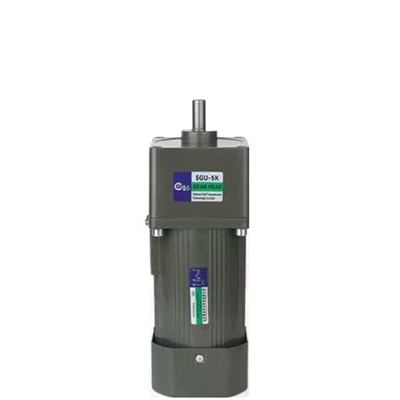
In the realm of industrial machinery, IE3 electric motors stand out as a pinnacle of efficiency and performance. As a trusted supplier of IE3 Electric Motor, I am often asked about the various cooling methods employed in these motors. Understanding these cooling techniques is crucial for ensuring optimal motor operation, longevity, and overall system efficiency. In this blog post, I will delve into the different cooling methods used in IE3 electric motors, exploring their advantages, limitations, and applications.
Importance of Cooling in IE3 Electric Motors
Before we dive into the specific cooling methods, it's essential to understand why cooling is so important for IE3 electric motors. During operation, electric motors generate heat due to electrical losses in the windings and mechanical losses in the bearings and other moving parts. If this heat is not dissipated effectively, it can lead to a rise in motor temperature, which can have several detrimental effects:
- Reduced Efficiency: As the temperature of the motor increases, the resistance of the windings also increases, leading to higher electrical losses and reduced efficiency.
- Shortened Lifespan: Excessive heat can cause the insulation materials in the motor to degrade over time, reducing the motor's lifespan and increasing the risk of premature failure.
- Safety Risks: High temperatures can pose a safety risk, as they can cause the motor to overheat and potentially start a fire.
Therefore, effective cooling is essential for maintaining the performance, reliability, and safety of IE3 electric motors.
Common Cooling Methods in IE3 Electric Motors
There are several cooling methods commonly used in IE3 electric motors, each with its own advantages and limitations. The choice of cooling method depends on various factors, such as the motor's power rating, operating environment, and application requirements. Let's take a closer look at some of the most common cooling methods:
1. Self-Cooled (IC411)
Self-cooled motors, also known as IC411 motors, are the most basic type of cooling method used in IE3 electric motors. In this method, the motor is cooled by a fan mounted on the motor shaft, which draws air over the motor's external surface and dissipates the heat generated during operation. The air is then expelled from the motor housing through ventilation openings.
Advantages:
- Simple and Cost-Effective: Self-cooled motors are relatively simple in design and require minimal additional components, making them a cost-effective cooling solution.
- Suitable for Low to Medium Power Motors: This cooling method is suitable for low to medium power motors operating in normal ambient conditions.
Limitations:
- Limited Cooling Capacity: The cooling capacity of self-cooled motors is limited, as the cooling effect depends on the speed of the motor and the ambient air temperature. In high ambient temperatures or for high power motors, self-cooling may not be sufficient to maintain the motor at a safe operating temperature.
- Susceptible to Dust and Debris: The open ventilation openings in self-cooled motors make them susceptible to dust and debris, which can accumulate on the motor's internal components and reduce the cooling efficiency.
2. Forced Air-Cooled (IC416)
Forced air-cooled motors, also known as IC416 motors, are similar to self-cooled motors, but they use an external fan to provide additional cooling. The external fan is typically mounted on the motor housing and is powered by a separate motor or the main motor shaft. The external fan draws air over the motor's external surface and dissipates the heat generated during operation.
Advantages:
- Increased Cooling Capacity: Forced air-cooled motors have a higher cooling capacity than self-cooled motors, as the external fan provides additional airflow and helps to dissipate the heat more effectively.
- Suitable for High Power Motors: This cooling method is suitable for high power motors operating in normal ambient conditions or for motors operating in high ambient temperatures.
Limitations:
- Higher Cost: Forced air-cooled motors are more expensive than self-cooled motors, as they require an additional fan and motor.
- Increased Noise Level: The external fan in forced air-cooled motors can generate additional noise, which may be a concern in some applications.
3. Water-Cooled (IC42)
Water-cooled motors, also known as IC42 motors, use water as a cooling medium to dissipate the heat generated during operation. In this method, water is circulated through a cooling jacket or pipes surrounding the motor's stator or rotor. The water absorbs the heat from the motor and transfers it to a heat exchanger, where it is dissipated into the environment.
Advantages:
- High Cooling Capacity: Water-cooled motors have a very high cooling capacity, as water has a much higher specific heat capacity than air, which means it can absorb more heat per unit volume.
- Suitable for High Power Motors and Harsh Environments: This cooling method is suitable for high power motors operating in harsh environments, such as high ambient temperatures, dusty or dirty conditions, or where noise is a concern.
- Reduced Noise Level: Water-cooled motors are generally quieter than air-cooled motors, as the water circulation system helps to dampen the noise generated by the motor.
Limitations:
- Complex and Expensive: Water-cooled motors are more complex and expensive than air-cooled motors, as they require a water circulation system, a heat exchanger, and additional plumbing.
- Maintenance Requirements: Water-cooled motors require regular maintenance to ensure the proper functioning of the water circulation system and to prevent corrosion and scaling in the cooling jacket or pipes.
4. Oil-Cooled (IC611)
Oil-cooled motors, also known as IC611 motors, use oil as a cooling medium to dissipate the heat generated during operation. In this method, oil is circulated through a cooling jacket or pipes surrounding the motor's stator or rotor. The oil absorbs the heat from the motor and transfers it to a heat exchanger, where it is dissipated into the environment.
Advantages:
- High Cooling Capacity: Oil-cooled motors have a high cooling capacity, as oil has a higher specific heat capacity than air and can absorb more heat per unit volume.
- Suitable for High Power Motors and Harsh Environments: This cooling method is suitable for high power motors operating in harsh environments, such as high ambient temperatures, dusty or dirty conditions, or where noise is a concern.
- Lubrication and Protection: The oil in oil-cooled motors also provides lubrication and protection for the motor's internal components, reducing wear and tear and extending the motor's lifespan.
Limitations:
- Complex and Expensive: Oil-cooled motors are more complex and expensive than air-cooled motors, as they require an oil circulation system, a heat exchanger, and additional plumbing.
- Maintenance Requirements: Oil-cooled motors require regular maintenance to ensure the proper functioning of the oil circulation system and to prevent oil leaks and contamination.
Choosing the Right Cooling Method
Choosing the right cooling method for an IE3 electric motor depends on various factors, such as the motor's power rating, operating environment, and application requirements. Here are some general guidelines to help you choose the right cooling method:
- Low to Medium Power Motors: For low to medium power motors operating in normal ambient conditions, self-cooled (IC411) or forced air-cooled (IC416) motors are usually sufficient.
- High Power Motors: For high power motors operating in normal ambient conditions or for motors operating in high ambient temperatures, forced air-cooled (IC416), water-cooled (IC42), or oil-cooled (IC611) motors may be required.
- Harsh Environments: For motors operating in harsh environments, such as high ambient temperatures, dusty or dirty conditions, or where noise is a concern, water-cooled (IC42) or oil-cooled (IC611) motors are usually the best choice.
It's important to consult with a qualified motor engineer or supplier to determine the most suitable cooling method for your specific application.
Conclusion
In conclusion, effective cooling is essential for maintaining the performance, reliability, and safety of IE3 electric motors. There are several cooling methods commonly used in IE3 electric motors, each with its own advantages and limitations. The choice of cooling method depends on various factors, such as the motor's power rating, operating environment, and application requirements. As a supplier of IE3 Electric Motor, we can help you choose the right cooling method for your specific application and provide you with high-quality motors that meet your needs.

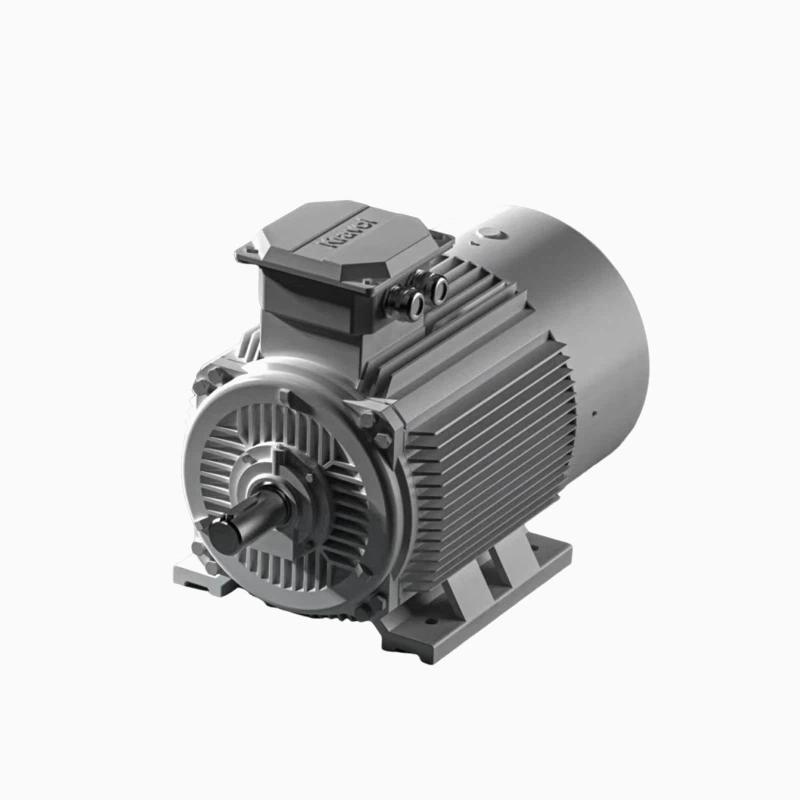
If you are interested in purchasing IE3 electric motors or have any questions about our products or services, please feel free to contact us. We look forward to working with you and helping you find the best motor solution for your application.
References
- IEEE Standard for Efficiency of Line-Connected Polyphase Induction Motors
- International Electrotechnical Commission (IEC) Standards for Rotating Electrical Machines
- NEMA Standards for Electric Motors