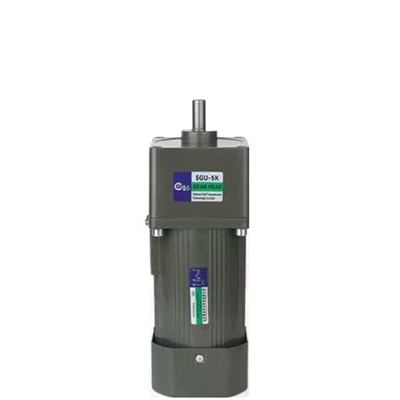
As a seasoned supplier of spa pumps, I've witnessed firsthand the transformative power of a well - functioning spa pump in creating a luxurious and relaxing spa experience. In this blog, I'll guide you through the startup procedure for a new spa pump, ensuring that you get the most out of your investment.
Pre - Startup Checks
Before you even think about turning on your new spa pump, there are several crucial pre - startup checks you need to perform. These steps are essential to ensure the safety and longevity of your pump.
1. Inspect the Pump
First and foremost, visually inspect the spa pump for any signs of damage during transit. Check for cracks in the housing, loose fittings, or any visible signs of wear and tear. If you notice any issues, contact us immediately as a damaged pump can lead to inefficiencies or even safety hazards. You can explore our range of high - quality pumps such as the Multifunctional SPA Pump, High Pressure SPA Pump, and Electric SPA Pump which are all carefully inspected before shipping.
2. Check the Electrical Connections
Ensure that all electrical connections are secure and properly insulated. The power supply should match the voltage requirements specified on the pump's label. Incorrect voltage can cause the pump to malfunction or even damage the motor. If you're unsure about the electrical connections, it's always best to consult a qualified electrician.
3. Verify the Plumbing Connections
Inspect the plumbing connections to make sure they are tight and leak - free. Loose connections can lead to water leakage, which not only wastes water but can also damage the pump and surrounding equipment. Check that the inlet and outlet pipes are properly aligned and connected to the appropriate valves.
4. Fill the Spa
Before starting the pump, fill the spa with clean water to the recommended level. This is important because the pump needs to be fully submerged in water to operate efficiently. Running the pump dry can cause overheating and damage to the impeller.
Priming the Spa Pump
Priming is a critical step in the startup process of a spa pump. It involves removing air from the pump and the plumbing system to allow water to flow freely.
1. Locate the Prime Plug
Most spa pumps have a prime plug or a bleed valve. Locate this component on the pump housing. It's usually a small cap or valve that can be easily removed.
2. Remove the Prime Plug
Carefully remove the prime plug or open the bleed valve. This allows air to escape from the pump as water is introduced.
3. Add Water to the Pump
Using a bucket or a hose, slowly pour water into the pump through the opening where the prime plug was removed. Keep adding water until it starts to overflow from the opening. This indicates that the pump is filled with water and most of the air has been removed.
4. Replace the Prime Plug
Once the pump is filled with water, replace the prime plug or close the bleed valve tightly. Make sure it's properly sealed to prevent any air from re - entering the pump.
Starting the Spa Pump
After completing the pre - startup checks and priming the pump, you're ready to start the spa pump.
1. Turn on the Power
Locate the power switch for the spa pump and turn it on. You should hear the motor start to run. If the pump doesn't start, check the electrical connections again and make sure the circuit breaker hasn't tripped.
2. Monitor the Pump
Once the pump is running, closely monitor it for the first few minutes. Listen for any unusual noises such as grinding, rattling, or screeching. These sounds could indicate a problem with the pump, such as a loose impeller or a damaged motor. Also, check for any water leaks around the pump and the plumbing connections.
3. Check the Water Flow
Observe the water flow in the spa. The water should be circulating smoothly and evenly. If you notice weak or uneven water flow, it could be a sign of a blockage in the plumbing system or a problem with the pump's impeller.
Post - Startup Maintenance
After starting the spa pump, there are a few maintenance tasks you should perform regularly to ensure its optimal performance.
1. Check the Filter
The filter in your spa plays a crucial role in keeping the water clean. Check the filter regularly and clean or replace it as needed. A dirty filter can restrict water flow and put additional strain on the pump.
2. Monitor the Water Chemistry
Maintain the proper water chemistry in your spa by regularly testing the water and adding the necessary chemicals. Balanced water chemistry helps prevent corrosion and scaling in the pump and the plumbing system.
3. Schedule Regular Inspections
Have your spa pump inspected by a professional at least once a year. A qualified technician can identify and address any potential issues before they become major problems.


Troubleshooting Common Issues
Even with proper startup and maintenance, you may encounter some common issues with your spa pump. Here are a few troubleshooting tips:
1. Pump Not Starting
- Check the electrical connections and make sure the power supply is working.
- Verify that the circuit breaker hasn't tripped.
- Check for any loose or damaged wires.
2. Low Water Flow
- Clean or replace the filter if it's dirty.
- Check for any blockages in the plumbing system, such as debris or scale buildup.
- Inspect the impeller for damage or clogging.
3. Noisy Pump
- Tighten any loose bolts or fittings on the pump.
- Check for any foreign objects in the pump or the impeller.
- If the noise persists, it could be a sign of a more serious problem, and you should consult a professional.
Conclusion
Starting a new spa pump may seem like a complex process, but by following these steps, you can ensure a smooth and successful startup. Remember to perform the pre - startup checks, prime the pump correctly, and monitor its performance after starting. Regular maintenance is also key to keeping your spa pump running efficiently for years to come.
If you're in the market for a new spa pump or have any questions about the startup procedure, feel free to reach out to us. We're here to help you make the best choice for your spa and ensure that you have a hassle - free experience.
References
- Spa Pump Manufacturer's Manuals
- Industry Standards for Spa Pump Installation and Maintenance