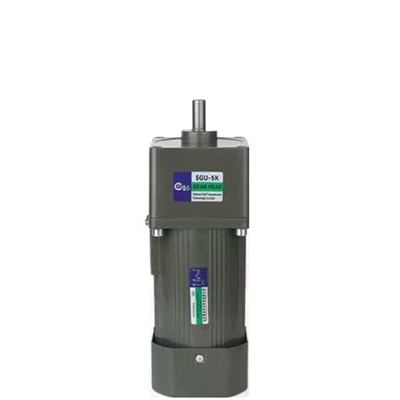
As a supplier of Inverter Duty Motors, I've witnessed firsthand the critical role that inverters play in safeguarding these motors. Inverter duty motors are designed to operate efficiently with variable frequency drives (VFDs), also known as inverters. These motors are built to withstand the unique electrical and thermal stresses associated with inverter operation. In this blog, we'll explore the protection functions of an inverter for an inverter duty motor, providing you with a comprehensive understanding of how these components work together to ensure reliable and long - lasting performance.
Over - current Protection
One of the primary protection functions of an inverter is over - current protection. In normal operation, the inverter controls the current supplied to the motor based on the load requirements. However, various factors such as a mechanical jam in the motor's driven equipment, a short - circuit in the motor windings, or a sudden increase in load can cause the current to exceed safe levels.
When an over - current situation occurs, the inverter detects the abnormal current flow. It does this through current sensors within the inverter circuit. Once the current exceeds a pre - set threshold, the inverter takes immediate action. In most cases, it will reduce the output voltage and frequency to limit the current. If the over - current condition persists, the inverter will shut down the motor to prevent damage to the motor windings and other components. This protection is crucial as excessive current can lead to overheating, which can cause insulation breakdown in the motor windings, ultimately resulting in motor failure.
Over - voltage and Under - voltage Protection
Inverters also protect inverter duty motors from over - voltage and under - voltage conditions. Over - voltage can occur due to power grid fluctuations, lightning strikes, or improper operation of the power system. When the input voltage to the inverter exceeds the rated value, it can cause excessive stress on the motor's insulation and electronic components.
The inverter continuously monitors the input voltage. If the voltage goes above a safe limit, the inverter may adjust its internal operation to limit the output voltage to the motor. In severe cases, it will shut down the motor to prevent damage. On the other hand, under - voltage can lead to insufficient torque production in the motor, causing it to stall or operate inefficiently. When the inverter detects an under - voltage condition, it can either reduce the motor speed proportionally or shut down the motor to avoid overheating and other problems.
Over - temperature Protection
Temperature is a critical factor in the performance and lifespan of an inverter duty motor. Overheating can be caused by excessive current, high ambient temperatures, or poor ventilation. Inverters are equipped with temperature sensors to monitor the temperature of the motor and the inverter itself.
If the temperature of the motor or the inverter exceeds a pre - determined limit, the inverter will take corrective action. It may reduce the output power to the motor, which in turn reduces the heat generated. If the temperature continues to rise, the inverter will shut down the motor to prevent permanent damage. This protection is essential as high temperatures can degrade the insulation materials in the motor, leading to short - circuits and other failures.
Phase Loss Protection
Phase loss occurs when one of the three phases in a three - phase power supply is interrupted. This can happen due to a blown fuse, a damaged contactor, or a fault in the power distribution system. Phase loss can cause the motor to operate unevenly, leading to increased vibration, overheating, and reduced efficiency.
Inverters are designed to detect phase loss conditions. They monitor the voltage and current of each phase. When a phase loss is detected, the inverter will shut down the motor to prevent damage. This protection ensures that the motor operates safely and reliably under all power supply conditions.
Short - circuit Protection
A short - circuit in the motor windings or the inverter circuit can cause a large amount of current to flow, which can damage the motor and the inverter. Inverters have built - in short - circuit protection mechanisms. These mechanisms use fast - acting fuses or electronic switches to quickly isolate the short - circuit and prevent further damage.
When a short - circuit is detected, the inverter will immediately cut off the power supply to the motor. This rapid response is crucial in minimizing the damage caused by short - circuits and ensuring the safety of the entire system.
Motor Stalling Protection
Motor stalling occurs when the motor is unable to rotate due to excessive load or mechanical obstruction. When a motor stalls, the current drawn by the motor increases significantly, which can lead to overheating and damage. Inverters can detect motor stalling conditions by monitoring the motor's speed and current.
If the motor speed drops below a certain threshold while the current remains high, the inverter will recognize this as a stalling condition. It will then reduce the output power or shut down the motor to prevent damage. This protection is especially important in applications where the motor is subject to variable loads or sudden changes in operating conditions.
Benefits of Inverter Protection for Inverter Duty Motors
The protection functions provided by inverters offer several benefits for inverter duty motors. Firstly, they increase the reliability of the motor. By preventing over - current, over - voltage, over - temperature, and other harmful conditions, the inverter extends the lifespan of the motor, reducing the frequency of motor failures and maintenance requirements.
Secondly, inverter protection improves the efficiency of the motor. By ensuring that the motor operates within safe limits, the inverter allows the motor to run at its optimal performance level, reducing energy consumption and operating costs.
Thirdly, inverter protection enhances the safety of the entire system. By quickly detecting and responding to abnormal conditions, the inverter prevents damage to the motor and other components, reducing the risk of electrical fires and other safety hazards.
Conclusion
In conclusion, the protection functions of an inverter for an inverter duty motor are essential for ensuring the reliable, efficient, and safe operation of the motor. As a supplier of Inverter Duty Motors, we understand the importance of these protection features. Our motors are designed to work seamlessly with inverters, providing our customers with a high - quality and reliable solution for their industrial applications.


If you are in the market for an inverter duty motor, we invite you to explore our product range, including the Cast Iron Three Phase Motor, IE4 Electric Motor, and Y2 Three Phase Motor. We are committed to providing you with the best products and services. If you have any questions or would like to discuss your specific requirements, please feel free to contact us for procurement and negotiation.
References
- Electric Motor Handbook, fourth edition by Arnold and Trutt
- Variable Frequency Drives: Selection, Application, and Maintenance by William Bolton