What is the power factor of an inverter duty motor?
As a supplier of inverter duty motors, I often encounter questions from customers regarding the power factor of these motors. Understanding the power factor is crucial for both motor users and suppliers, as it has a significant impact on energy efficiency, power consumption, and overall system performance. In this blog post, I will delve into the concept of power factor in inverter duty motors, explain its importance, and discuss how it relates to our products.
Understanding Power Factor
Before we dive into the power factor of inverter duty motors, let's first understand what power factor is. In an AC electrical system, power factor is a measure of how effectively electrical power is being converted into useful work output. It is defined as the ratio of real power (P), which is the power that actually does work, to apparent power (S), which is the product of voltage and current. Mathematically, power factor (PF) is expressed as:
PF = P / S
The power factor ranges from 0 to 1, with 1 being the ideal value. A power factor of 1 indicates that all the electrical power supplied to the system is being used for useful work, while a power factor less than 1 means that some of the power is being wasted in the form of reactive power. Reactive power is the power that oscillates between the source and the load without doing any useful work, and it is caused by the presence of inductive or capacitive elements in the electrical system.
Power Factor in Inverter Duty Motors
Inverter duty motors are designed to operate with variable frequency drives (VFDs), which are used to control the speed and torque of the motor. VFDs convert the incoming AC power into DC power and then back into AC power with a variable frequency and voltage. This allows the motor to operate at different speeds and torques, depending on the requirements of the application.
The power factor of an inverter duty motor is affected by several factors, including the motor design, the VFD characteristics, and the operating conditions. In general, inverter duty motors tend to have a lower power factor compared to standard motors, especially at low speeds and light loads. This is because the VFDs introduce additional harmonic currents and voltages into the electrical system, which can cause the motor to draw more reactive power.
However, modern inverter duty motors are designed to minimize the impact of these harmonics on the power factor. They often incorporate features such as high-quality insulation, low-loss magnetic materials, and optimized winding designs to reduce the harmonic content and improve the power factor. Additionally, some VFDs are equipped with power factor correction circuits, which can further improve the overall power factor of the motor system.
Importance of Power Factor
The power factor of an inverter duty motor is important for several reasons. First, a low power factor can result in increased energy consumption and higher electricity bills. This is because the utility companies charge for both real power and reactive power, and a low power factor means that more apparent power is being drawn from the grid. By improving the power factor, the motor system can reduce its energy consumption and save money on electricity costs.
Second, a low power factor can also cause voltage drops and power quality issues in the electrical system. The reactive power flowing through the electrical network can cause the voltage to fluctuate, which can affect the performance of other electrical equipment connected to the same system. By improving the power factor, the motor system can help to maintain a stable voltage and improve the overall power quality of the electrical network.
Finally, a high power factor is often required by utility companies and regulatory agencies. Many utility companies impose penalties on customers with low power factors, while some regulatory agencies have set minimum power factor requirements for certain types of electrical equipment. By ensuring that our inverter duty motors have a high power factor, we can help our customers to comply with these requirements and avoid any potential penalties.

Our Inverter Duty Motors and Power Factor
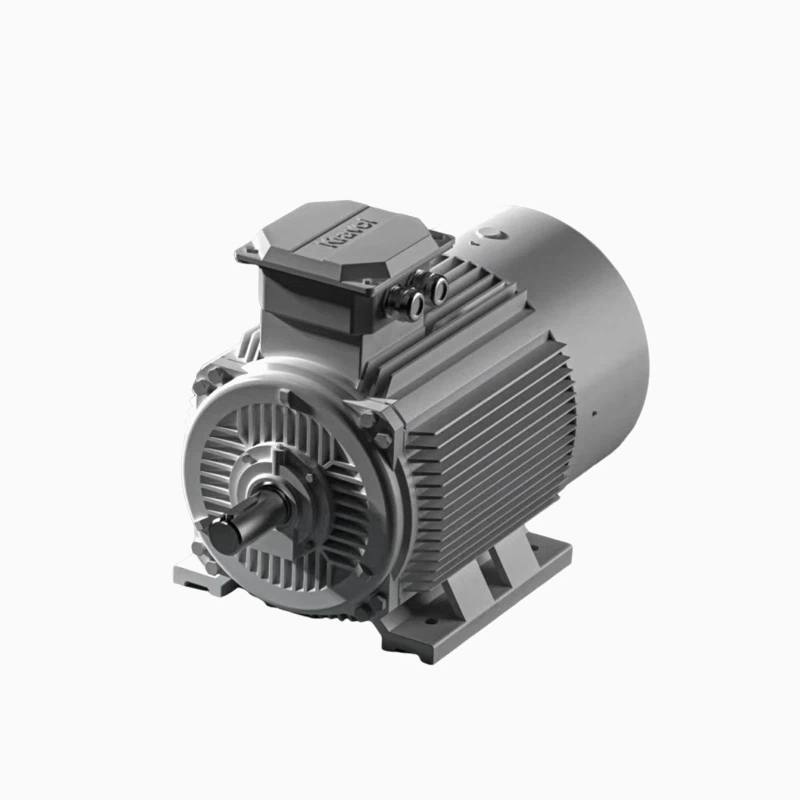
As a supplier of inverter duty motors, we are committed to providing our customers with high-quality products that offer excellent energy efficiency and performance. Our motors are designed to operate with VFDs and are optimized to minimize the impact of harmonics on the power factor. We use advanced motor design techniques and high-quality materials to ensure that our motors have a high power factor and low harmonic content, even at low speeds and light loads.
In addition to our standard inverter duty motors, we also offer a range of energy-efficient motors, such as the IE2 Electric Motor, IE1 Three Phase Motor, and IE4 Electric Motor. These motors are designed to meet the latest energy efficiency standards and offer significant energy savings compared to standard motors. They also have a high power factor, which further enhances their energy efficiency and reduces their operating costs.
Contact Us for Inverter Duty Motor Procurement
If you are looking for a reliable supplier of inverter duty motors with a high power factor, look no further. Our team of experts is ready to assist you in selecting the right motor for your application and providing you with the technical support and advice you need. We offer a wide range of inverter duty motors in various sizes and specifications, and we can also customize our motors to meet your specific requirements.
Whether you are a small business or a large industrial enterprise, we can provide you with the solutions you need to improve your energy efficiency, reduce your operating costs, and enhance the performance of your electrical system. Contact us today to learn more about our inverter duty motors and to discuss your procurement needs.
References
- Chapman, S. J. (2012). Electric Machinery Fundamentals (5th ed.). McGraw-Hill Education.
- Fitzgerald, A. E., Kingsley, C., Jr., & Umans, S. D. (2003). Electric Machinery (6th ed.). McGraw-Hill Education.
- Krause, P. C., Wasynczuk, O., & Sudhoff, S. D. (2002). Analysis of Electric Machinery and Drive Systems (2nd ed.). Wiley-Interscience.