As an established supplier of inverter duty motors, I am often asked about the maximum speed limit of these motors. This is a crucial question, as understanding the speed capabilities of an inverter duty motor is essential for making informed decisions in various industrial applications. In this blog post, I will delve into the factors that determine the maximum speed limit of an inverter duty motor and provide some insights into how these limits can impact your operations.
Understanding Inverter Duty Motors
Before we discuss the maximum speed limit, let's first understand what an inverter duty motor is. An inverter duty motor is designed to operate in conjunction with a variable frequency drive (VFD). VFDs are used to control the speed and torque of an electric motor by adjusting the frequency and voltage of the power supplied to the motor. This allows for precise control of the motor's speed, making inverter duty motors ideal for applications where variable speed operation is required.
Inverter duty motors are built to withstand the electrical stresses associated with VFD operation. They typically have enhanced insulation systems to protect against voltage spikes and other electrical disturbances that can occur when using a VFD. Additionally, these motors are designed to operate efficiently over a wide range of speeds, providing flexibility and energy savings in various applications.
Factors Affecting the Maximum Speed Limit
The maximum speed limit of an inverter duty motor is determined by several factors, including the motor's design, construction, and the application requirements. Here are some of the key factors that influence the maximum speed limit:
1. Motor Design and Construction
The design and construction of the motor play a significant role in determining its maximum speed limit. Motors with a higher number of poles generally have a lower maximum speed, while motors with a lower number of poles can achieve higher speeds. Additionally, the type of rotor and stator used in the motor can also affect its speed capabilities.
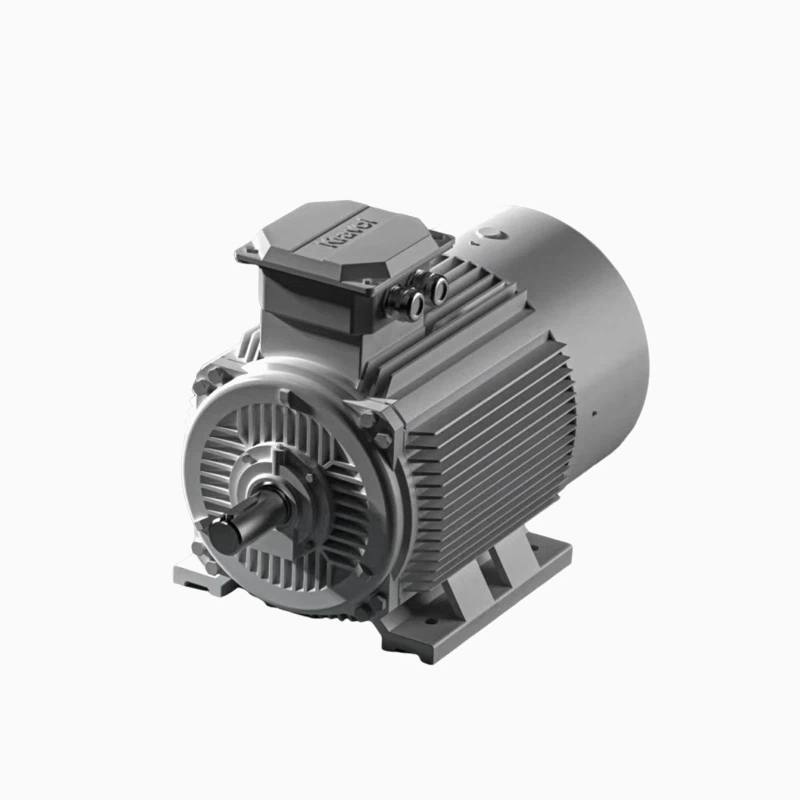

For example, a motor with a squirrel cage rotor is typically designed for lower to medium speeds, while a motor with a wound rotor can be used for higher speed applications. The materials used in the motor's construction, such as the insulation and the bearings, also play a role in determining the maximum speed limit. High-quality materials can withstand the stresses associated with high-speed operation, allowing the motor to achieve higher speeds.
2. VFD Capabilities
The capabilities of the VFD used with the inverter duty motor also affect the maximum speed limit. VFDs have a maximum output frequency, which determines the maximum speed that the motor can achieve. The maximum output frequency of a VFD can vary depending on the model and the manufacturer.
It's important to choose a VFD that is compatible with the motor and can provide the required frequency and voltage to achieve the desired speed. Additionally, the VFD should be properly programmed and configured to ensure safe and efficient operation of the motor at all speeds.
3. Application Requirements
The application requirements also play a crucial role in determining the maximum speed limit of an inverter duty motor. Different applications have different speed requirements, and the motor must be able to operate within these limits. For example, a conveyor belt application may require a lower speed, while a centrifugal pump application may require a higher speed.
In addition to the speed requirements, other factors such as the load torque, the inertia of the load, and the duty cycle of the application also need to be considered when determining the maximum speed limit. These factors can affect the motor's performance and efficiency at different speeds, and it's important to choose a motor that is capable of meeting the specific requirements of the application.
Typical Maximum Speed Limits
The maximum speed limit of an inverter duty motor can vary widely depending on the factors mentioned above. In general, inverter duty motors can operate at speeds ranging from a few hundred revolutions per minute (RPM) to several thousand RPM.
For small to medium-sized motors, the maximum speed limit is typically in the range of 1,800 to 3,600 RPM. These motors are commonly used in applications such as fans, pumps, and conveyors. For larger motors, the maximum speed limit can be higher, ranging from 3,600 to 10,000 RPM or more. These motors are often used in high-speed applications such as machine tools, compressors, and centrifuges.
It's important to note that these are just typical maximum speed limits, and the actual maximum speed limit of a specific motor will depend on its design, construction, and the application requirements. It's always recommended to consult the motor manufacturer's specifications and guidelines to determine the maximum speed limit of a particular motor.
Importance of Staying Within the Speed Limit
Staying within the maximum speed limit of an inverter duty motor is crucial for ensuring safe and efficient operation. Operating the motor at speeds higher than the rated maximum speed can cause several problems, including:
- Increased wear and tear: High-speed operation can cause increased wear and tear on the motor's components, such as the bearings, the rotor, and the stator. This can lead to premature failure of the motor and increased maintenance costs.
- Reduced efficiency: Operating the motor at speeds higher than the rated maximum speed can also reduce its efficiency. This is because the motor may not be able to operate at its optimal point, resulting in increased energy consumption and higher operating costs.
- Safety hazards: High-speed operation can also create safety hazards, such as vibrations, noise, and potential for mechanical failure. These hazards can pose a risk to the operators and the surrounding equipment.
Therefore, it's important to always stay within the maximum speed limit of the motor and to ensure that the motor is properly sized and selected for the application.
Our Product Range
As a leading supplier of inverter duty motors, we offer a wide range of high-quality motors to meet the diverse needs of our customers. Our product range includes IE2 Electric Motor, Y2 Three Phase Motor, and Three Phase Brake Motor.
Our motors are designed and manufactured to the highest standards, ensuring reliable and efficient operation in a variety of applications. We also offer customized solutions to meet the specific requirements of our customers. Whether you need a motor for a small-scale application or a large industrial project, we have the expertise and the products to meet your needs.
Contact Us for Purchasing and Consultation
If you are interested in purchasing inverter duty motors or have any questions about our products, we encourage you to contact us. Our team of experts is available to provide you with detailed information, technical support, and assistance in selecting the right motor for your application. We are committed to providing our customers with the best possible products and services, and we look forward to working with you.
References
- Electric Motor Handbook, Second Edition, by Heinz P. Bloch and Fred K. Geitner
- Variable Frequency Drives for Industrial Applications, by Thomas H. Lipo