Hey there! As a supplier of QY Submersible Pumps, I often get asked about the materials used for the impellers in these pumps. So, I thought I'd write this blog to shed some light on this topic.
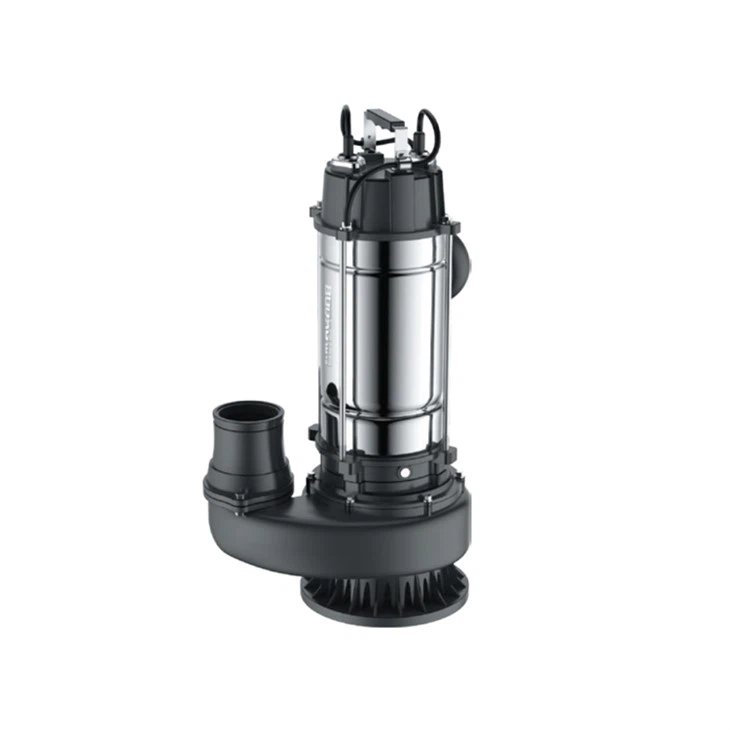
First off, let's talk a bit about what an impeller is and why it's so important in a QY Submersible Pump. The impeller is like the heart of the pump. It's a rotating component with vanes or blades that helps to increase the pressure and flow of the fluid being pumped. In a QY Submersible Pump, which is designed for clean - water applications, the impeller needs to be made of materials that can withstand the constant contact with water and the mechanical stresses of rotation.
One of the most common materials used for impellers in QY Submersible Pumps is cast iron. Cast iron is a popular choice because it's relatively inexpensive and has good strength. It can handle the pressure and forces generated during the pumping process without deforming easily. However, it does have some drawbacks. Cast iron is prone to corrosion, especially when in contact with water for long periods. Over time, corrosion can lead to pitting and weakening of the impeller, which can reduce the pump's efficiency and eventually cause it to fail.
Another material that's often used is stainless steel. Stainless steel is a great option for impellers in QY Submersible Pumps. It has excellent corrosion resistance, which means it can last a long time even in wet conditions. This is especially important for submersible pumps that are constantly submerged in water. Stainless steel also has high strength, so it can handle the mechanical stresses of the pump operation. There are different grades of stainless steel, and the ones used for pump impellers are usually chosen for their combination of corrosion resistance and strength. For example, 304 and 316 stainless steel are commonly used. 316 stainless steel has a higher level of corrosion resistance compared to 304, making it a better choice for applications where the water may contain some impurities or chemicals.
Plastic is also a material that's sometimes used for impellers in QY Submersible Pumps. Plastic impellers are lightweight, which can reduce the overall weight of the pump. They are also relatively inexpensive to manufacture. Some types of plastic, like polypropylene and polyethylene, have good chemical resistance, which can be an advantage if the water being pumped has some mild chemical content. However, plastic impellers may not be as strong as metal ones. They can be more prone to damage from impact or high - pressure conditions. Also, plastic can degrade over time when exposed to sunlight or certain chemicals, so they may not be suitable for all applications.
Now, let's compare the performance of impellers made from these different materials. In terms of efficiency, stainless steel impellers usually perform well. Their smooth surface and high - strength construction allow for better fluid flow, which can result in higher pump efficiency. Cast iron impellers may have a slightly lower efficiency due to the potential for corrosion and rough surfaces. Plastic impellers can also offer good efficiency, but their performance may be affected by their lower strength and the potential for deformation under high - pressure conditions.

When it comes to cost, cast iron is the most affordable option. It's a well - established material, and the manufacturing processes for cast iron impellers are relatively simple and inexpensive. Stainless steel impellers are more expensive because of the cost of the raw material and the more complex manufacturing processes. Plastic impellers fall somewhere in between, depending on the type of plastic used and the manufacturing method.
As a supplier of QY Submersible Pumps, we offer pumps with impellers made from different materials to meet the diverse needs of our customers. If you're looking for a cost - effective option for a short - term or less demanding application, a pump with a cast iron impeller might be a good choice. But if you need a pump that will last a long time and operate efficiently in a corrosive environment, a pump with a stainless steel impeller is probably the way to go. And if you're looking for a lightweight and relatively inexpensive option, a pump with a plastic impeller could be suitable.
If you're interested in learning more about QY Submersible Pumps, you can check out our product page here: QY Submersible Pump. We also have other types of submersible pumps, like the QD Submersible Pump and the QDX Submersible Pump, which may also meet your needs.
If you're thinking about purchasing a QY Submersible Pump or have any questions about the impeller materials or our products in general, don't hesitate to reach out. We're here to help you make the right choice for your pumping needs. Whether you need a pump for a small domestic water supply or a larger industrial application, we can provide you with the right solution.
In conclusion, the choice of impeller material for a QY Submersible Pump depends on several factors, including cost, corrosion resistance, strength, and efficiency. By understanding the properties of different materials, you can make an informed decision that will ensure the long - term performance of your pump.
References:
- "Pump Handbook" by Igor Karassik et al.
- Technical literature from pump manufacturers on impeller materials.