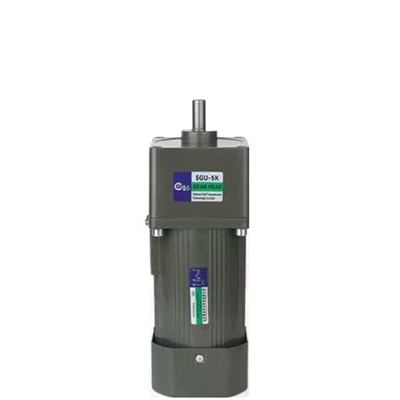
Hey there! As a supplier of inverter duty motors, I often get asked about the efficiency of these motors. So, I thought I'd write a blog post to share some insights on this topic.
First off, let's talk about what an inverter duty motor is. In simple terms, it's a motor that's designed to work with variable frequency drives (VFDs). These drives can adjust the speed of the motor by changing the frequency of the electrical power supplied to it. This is super useful in a lot of industrial applications where you need to control the speed of machinery precisely.
Now, the efficiency of an inverter duty motor is a big deal. It's all about how well the motor converts electrical energy into mechanical energy. The more efficient the motor, the less energy it wastes as heat and other forms of loss. And that means lower energy bills and a smaller environmental footprint.
There are a few factors that can affect the efficiency of an inverter duty motor. One of the main ones is the motor's design. Motors with better magnetic circuits and lower resistance windings tend to be more efficient. For example, IE3 Electric Motor are known for their high efficiency. They're designed to meet strict international efficiency standards, which means they use less energy to do the same amount of work compared to less efficient motors.
Another factor is the quality of the materials used in the motor. High - grade copper windings, for instance, have lower resistance than lower - grade ones. This means less energy is lost as heat when current flows through them. Also, better quality insulation materials can help reduce electrical losses and improve the overall efficiency of the motor.
The operating conditions of the motor also play a role. If a motor is constantly running at full load, it might not be as efficient as when it's running at a more optimal load. Most inverter duty motors are most efficient when they're operating at around 70 - 80% of their rated load. Running a motor at a very low or very high load for extended periods can lead to increased losses and reduced efficiency.
Let's compare inverter duty motors with some other types of motors. Take the IE2 Electric Motor. While IE2 motors are more efficient than some older motor designs, IE3 motors, especially inverter duty ones, take efficiency to the next level. The ability of inverter duty motors to adjust their speed according to the load means they can save a significant amount of energy over time.
In some applications, you might also come across Three Phase Brake Motor. These motors are designed with a braking mechanism, which can be useful in applications where you need to stop the motor quickly. However, the addition of the braking system can sometimes have a small impact on the overall efficiency of the motor. But with proper design and control, this impact can be minimized.
When it comes to measuring the efficiency of an inverter duty motor, there are standard tests and methods. These tests usually involve measuring the input power (electrical power going into the motor) and the output power (mechanical power coming out of the motor). The efficiency is then calculated as the ratio of the output power to the input power, usually expressed as a percentage.
It's important to note that the efficiency of an inverter duty motor can change over time. Factors like wear and tear, dirt and dust accumulation, and improper maintenance can all lead to a decrease in efficiency. Regular maintenance, such as cleaning the motor, checking the bearings, and tightening the electrical connections, can help keep the motor running at its best efficiency.
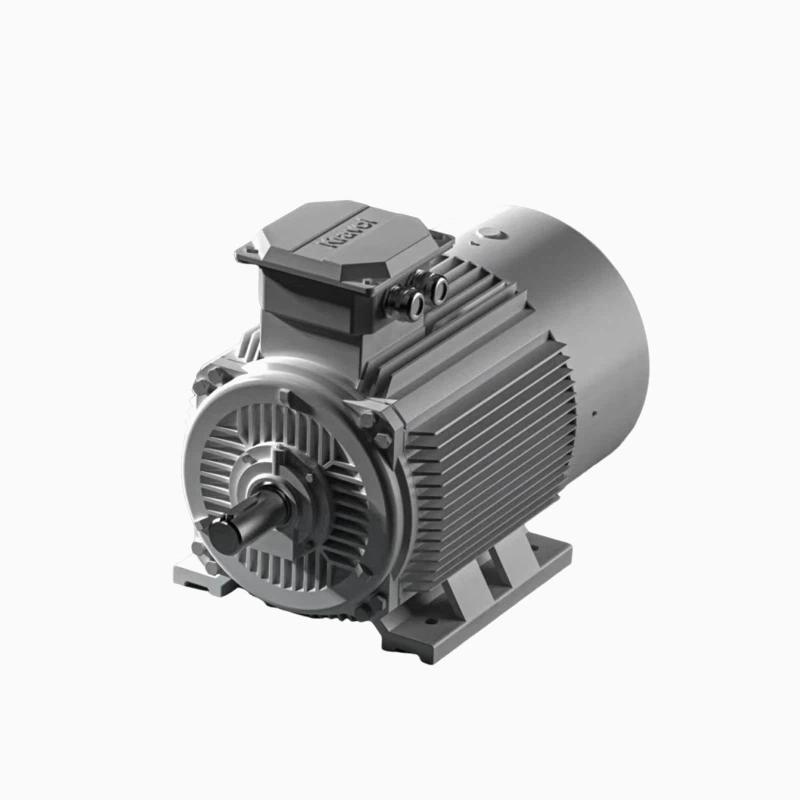

As a supplier, I've seen firsthand the benefits that high - efficiency inverter duty motors can bring to businesses. Not only do they save on energy costs, but they also often have a longer lifespan, which means less downtime for replacement and maintenance. This can lead to significant cost savings in the long run.
If you're in the market for an inverter duty motor, I'd highly recommend considering the efficiency ratings. Look for motors that meet or exceed international efficiency standards like IE3. And don't forget to think about the specific requirements of your application. For example, if you need precise speed control, an inverter duty motor is a no - brainer.
In conclusion, the efficiency of an inverter duty motor is a crucial factor to consider when choosing a motor for your industrial or commercial needs. By understanding the factors that affect efficiency and taking steps to maintain it, you can ensure that your motor runs smoothly and cost - effectively for years to come.
If you're interested in learning more about our inverter duty motors or have any questions about motor efficiency, feel free to reach out. We're here to help you find the best motor solution for your specific requirements. Let's start a conversation about how we can improve your operations with our high - quality inverter duty motors.
References
- International Electrotechnical Commission (IEC) standards on motor efficiency
- Technical literature from motor manufacturers on inverter duty motor design and performance