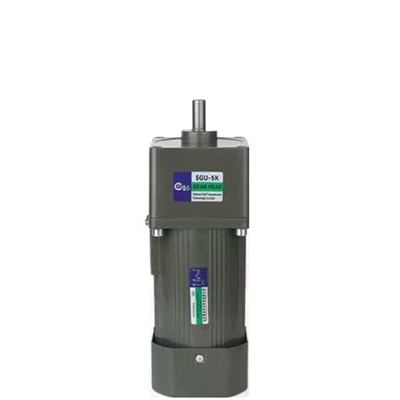
Voltage fluctuations are a common phenomenon in electrical power systems, and they can have significant effects on the performance and lifespan of IE2 Electric Motors. As a supplier of IE2 Electric Motors, I have witnessed firsthand the challenges that voltage fluctuations pose to these motors. In this blog post, I will explore the various effects of voltage fluctuations on IE2 Electric Motors and discuss how we can mitigate these issues.
Understanding IE2 Electric Motors
Before delving into the effects of voltage fluctuations, it's important to understand what IE2 Electric Motors are. IE2 motors are part of the International Efficiency (IE) classification system, which is a global standard for motor efficiency. IE2 motors are considered to be of high - efficiency, offering better performance and lower energy consumption compared to less efficient motor classes. These motors are widely used in industrial applications, such as pumps, fans, and conveyors, due to their reliability and cost - effectiveness.
Impact of Over - Voltage on IE2 Electric Motors
One of the most common types of voltage fluctuations is over - voltage, which occurs when the supply voltage exceeds the rated voltage of the motor. Over - voltage can have several detrimental effects on IE2 Electric Motors.


Increased Temperature
When an IE2 motor is subjected to over - voltage, the magnetic flux in the motor core increases. This leads to higher iron losses, which in turn cause the motor to heat up. Excessive heat can degrade the insulation materials in the motor windings. The insulation is crucial for preventing short - circuits and ensuring the proper functioning of the motor. As the insulation deteriorates, the risk of electrical breakdown and motor failure increases.
Higher Current Draw
Over - voltage also causes an increase in the motor's current draw. According to Ohm's law, when the voltage across a load (in this case, the motor) increases, the current flowing through it also rises, assuming the impedance remains relatively constant. The increased current can lead to overloading of the motor's electrical components, such as the windings and the stator. Over time, this can cause premature wear and tear on these components, reducing the motor's lifespan.
Mechanical Stress
The increased magnetic forces generated by over - voltage can also impose additional mechanical stress on the motor's shaft and bearings. This can lead to increased vibration and noise during motor operation. In severe cases, the mechanical stress can cause the shaft to bend or the bearings to fail, resulting in costly repairs or even the need for a complete motor replacement.
Impact of Under - Voltage on IE2 Electric Motors
Under - voltage, which occurs when the supply voltage is lower than the rated voltage of the motor, is another type of voltage fluctuation that can affect IE2 Electric Motors.
Reduced Torque
The torque produced by an IE2 motor is proportional to the square of the applied voltage. When the voltage is reduced, the motor's torque output decreases significantly. This can be a major problem in applications where the motor needs to drive heavy loads. For example, in a conveyor system, a reduction in torque can cause the conveyor to slow down or even stop, disrupting the production process.
Increased Current Draw
To compensate for the reduced torque, the motor tries to draw more current from the power supply. This increased current can cause overheating of the motor windings, similar to the effect of over - voltage. Additionally, the higher current can trip the motor's overload protection devices, leading to unexpected shutdowns and production losses.
Efficiency Loss
Under - voltage also leads to a decrease in the motor's efficiency. The motor has to work harder to achieve the same level of performance, consuming more energy in the process. This not only increases the operating costs but also has a negative impact on the environment due to the higher energy consumption.
Mitigating the Effects of Voltage Fluctuations
As an IE2 Electric Motor supplier, we understand the importance of mitigating the effects of voltage fluctuations. Here are some strategies that can be employed:
Voltage Regulation
Installing voltage regulators or stabilizers can help maintain a constant voltage supply to the motor. These devices can automatically adjust the voltage to the rated value of the motor, protecting it from the harmful effects of over - voltage and under - voltage.
Motor Selection
When selecting an IE2 motor for a specific application, it's important to consider the voltage conditions of the power supply. Choosing a motor with a wider voltage tolerance can help reduce the impact of voltage fluctuations. For example, some motors are designed to operate within a voltage range of ± 10% of the rated voltage.
Monitoring and Maintenance
Regular monitoring of the motor's operating parameters, such as voltage, current, and temperature, can help detect early signs of voltage - related problems. Implementing a preventive maintenance program can also ensure that the motor is in good working condition and can withstand voltage fluctuations.
Our Product Offerings
As a leading supplier of IE2 Electric Motors, we offer a wide range of high - quality motors that are designed to withstand voltage fluctuations. In addition to our standard IE2 motors, we also provide other types of motors, such as the Cast Iron Three Phase Motor, which is known for its durability and reliability. Our IE4 Electric Motor offers even higher efficiency, making it an excellent choice for applications where energy savings are a priority. And for applications that require quick stopping and starting, our Three Phase Brake Motor provides a reliable solution.
Conclusion
Voltage fluctuations can have a significant impact on the performance and lifespan of IE2 Electric Motors. Over - voltage can cause increased temperature, higher current draw, and mechanical stress, while under - voltage can lead to reduced torque, increased current draw, and efficiency loss. However, by implementing appropriate mitigation strategies, such as voltage regulation, proper motor selection, and regular monitoring and maintenance, these effects can be minimized.
If you are in the market for high - quality IE2 Electric Motors or any of our other motor products, we invite you to contact us for more information and to discuss your specific requirements. Our team of experts is ready to assist you in finding the right motor solution for your application.
References
- "Electric Motors and Drives: Fundamentals, Types and Applications" by Austin Hughes and Bill Drury.
- International Electrotechnical Commission (IEC) standards on motor efficiency and performance.
- Technical literature from motor manufacturers on the effects of voltage fluctuations on motor operation.