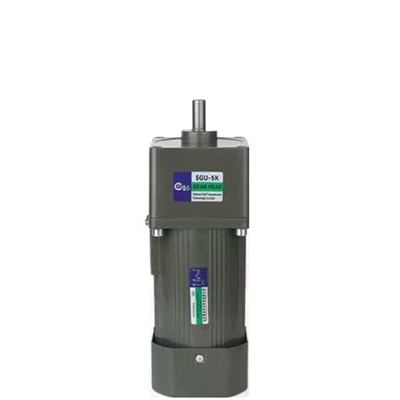
Hey there! As a spa pump supplier, I often get asked about the difference between direct - drive and belt - drive spa pumps. So, I thought I'd take the time to break it down for you in this blog post.
Let's start with direct - drive spa pumps. These pumps are pretty straightforward. The motor is directly connected to the impeller. There are no belts or pulleys in between to transfer power. This direct connection means that there's less energy loss during the power transfer process. In other words, the motor's power is used more efficiently to turn the impeller and move water through the spa system.
One of the big advantages of direct - drive pumps is their compact size. Since there are no belts and pulleys, they take up less space. This can be a huge plus if you have a smaller spa or limited space in your equipment area. They're also relatively easy to install. You don't have to worry about aligning belts or adjusting pulley tension, which can save you a lot of time and hassle.
Another great thing about direct - drive pumps is their low maintenance. There are fewer moving parts compared to belt - drive pumps. With no belts to wear out or replace, you can expect a longer lifespan for your pump with less upkeep. This can save you money in the long run, as you won't have to constantly buy new belts or pay for belt - related repairs.
However, direct - drive pumps do have their drawbacks. They tend to be noisier than belt - drive pumps. The direct connection between the motor and the impeller means that vibrations are transferred more directly to the pump housing and the surrounding area. This can result in a louder operation, which might be a concern if you're looking for a quiet spa experience. Also, direct - drive pumps can be more expensive upfront. The technology and design that make them efficient and compact come at a cost.
Now, let's talk about belt - drive spa pumps. These pumps use a belt and pulley system to transfer power from the motor to the impeller. The belt acts as a buffer between the motor and the impeller, which has some significant benefits.
One of the main advantages of belt - drive pumps is their quiet operation. The belt absorbs a lot of the vibrations from the motor, reducing the noise that gets transmitted to the pump housing and the environment. If you're someone who values a peaceful and relaxing spa experience, a belt - drive pump might be the better choice for you.
Belt - drive pumps are also more flexible in terms of speed control. By changing the size of the pulleys, you can adjust the speed of the impeller. This allows you to customize the water flow in your spa according to your needs. For example, you can have a gentle flow for relaxation or a more powerful flow for hydrotherapy.
In addition, belt - drive pumps are generally more affordable upfront compared to direct - drive pumps. The belt and pulley system is a simpler and more cost - effective design, which means you can get a good - quality pump at a lower price.
But belt - drive pumps aren't without their issues. They require more maintenance. The belts can wear out over time and need to be replaced periodically. You also have to make sure the belts are properly tensioned and aligned. If the belt is too loose or misaligned, it can cause the pump to operate inefficiently or even break down. And because there are more moving parts, there's a higher chance of something going wrong, which could lead to more frequent repairs.
Another drawback is that belt - drive pumps are less energy - efficient than direct - drive pumps. The belt and pulley system introduces some energy loss during the power transfer process. This means that you might end up using more electricity to run your pump, which can increase your energy bills over time.
So, which type of pump is right for you? It really depends on your specific needs and preferences. If you have a small spa, don't mind a bit of noise, and want a pump that's easy to install and maintain, a direct - drive pump might be the way to go. On the other hand, if you're looking for a quiet operation, want the ability to control the water flow, and are on a tight budget upfront, a belt - drive pump could be a better fit.
At our company, we offer a wide range of spa pumps to meet different needs. If you're interested in a multifunctional spa pump that combines the best features of both direct - drive and belt - drive technology, check out our Multifunctional SPA Pump. It offers great performance, flexibility, and energy efficiency.
For those who prefer a more traditional option, our Electric SPA Pump is a reliable choice. It comes in both direct - drive and belt - drive models, so you can choose the one that suits you best.
And if you need a high - pressure spa pump for a more intense hydrotherapy experience, take a look at our High Pressure SPA Pump. It's designed to deliver powerful water flow and is available in different configurations.
If you're still not sure which pump is right for you or have any questions about our products, don't hesitate to get in touch. We're here to help you make the best decision for your spa. Whether you're a homeowner looking to upgrade your spa or a business owner in the spa industry, we can provide you with the right pump and the support you need.


In conclusion, both direct - drive and belt - drive spa pumps have their pros and cons. It's important to consider your specific requirements, such as noise level, energy efficiency, maintenance, and budget, when making your choice. We're confident that we have the perfect spa pump for you, so why not reach out and start the conversation? Let's work together to create the ultimate spa experience for you.
References:
- Spa Pump Technology Manuals
- Industry Reports on Spa Pump Performance