Hey there! As a supplier of the ISW Horizontal Pump, I often get asked about the special requirements for its pipeline connection. So, I thought I'd write this blog to share some insights and clear up any confusion.
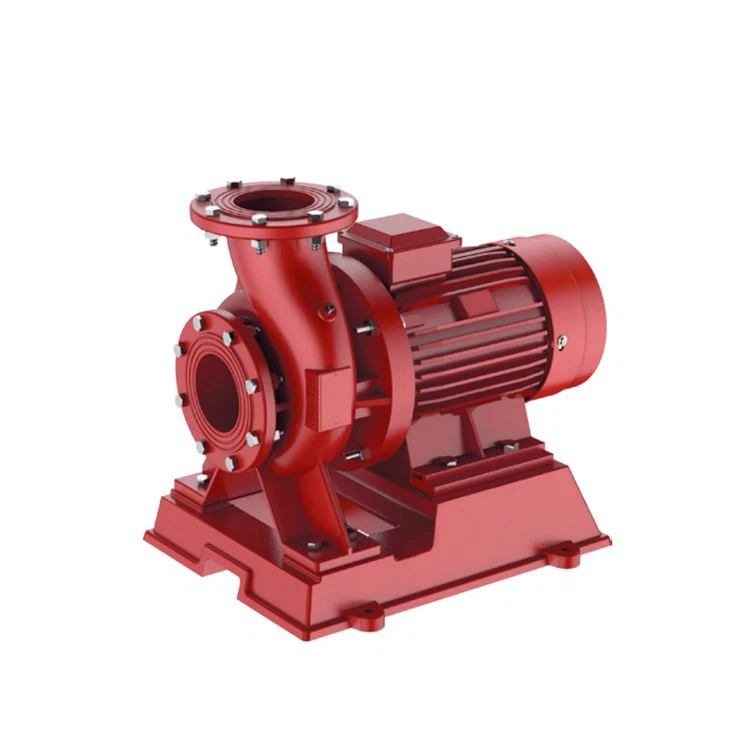
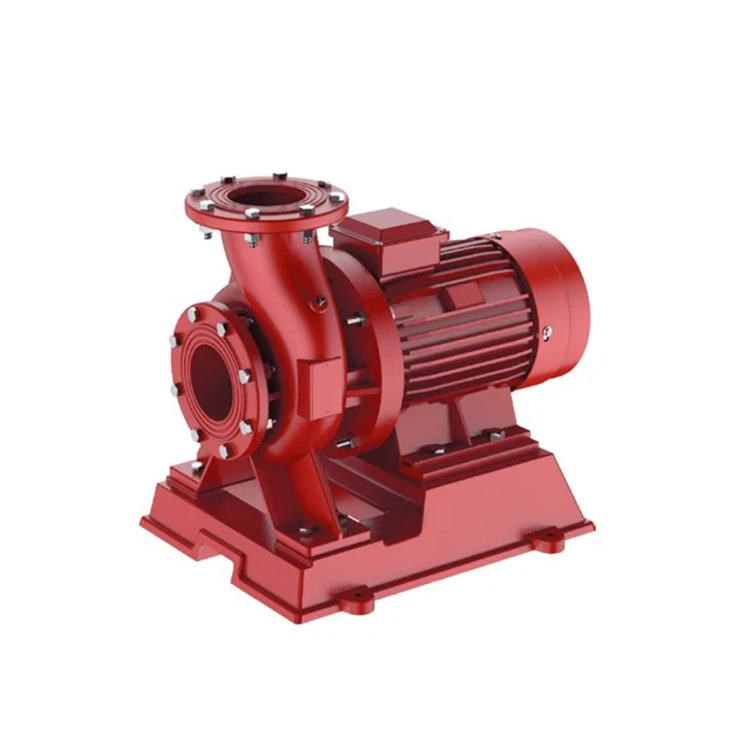
First off, let's talk about why the pipeline connection of the ISW Horizontal Pump is so important. The proper connection ensures that the pump can operate efficiently, delivering the right amount of fluid at the right pressure. A poorly connected pipeline can lead to issues like leaks, reduced flow rates, and even damage to the pump itself.
Pipe Sizing
One of the key requirements is getting the pipe sizing right. The diameter of the pipes connected to the ISW Horizontal Pump should be appropriate for the pump's flow rate. If the pipes are too small, it can create a high resistance to the flow of fluid, causing the pump to work harder than necessary. This can lead to increased energy consumption and premature wear and tear on the pump. On the other hand, if the pipes are too large, the fluid velocity may be too low, which can result in sedimentation and reduced efficiency.
For the ISW Horizontal Pump, it's usually recommended to use pipes with a diameter that matches the pump's inlet and outlet sizes. You can find this information in the pump's technical specifications. If you're not sure, you can always consult with our technical team. We're here to help you make the right choice. Check out our Industrial Horizontal Pipeline Pump for more details on pump sizing and pipe requirements.
Pipe Material
The material of the pipes is also crucial. The pipes need to be able to withstand the pressure, temperature, and chemical properties of the fluid being pumped. For most applications of the ISW Horizontal Pump, steel or stainless - steel pipes are a popular choice. They are strong, durable, and can handle a wide range of pressures and temperatures.
However, if you're pumping corrosive fluids, you might need to use pipes made of materials like PVC or fiberglass - reinforced plastic (FRP). These materials are resistant to corrosion and can ensure the longevity of the pipeline system. When selecting the pipe material, consider the nature of the fluid, the operating environment, and the cost. Our Horizontal Pipeline Pump page has more information on compatible pipe materials for different applications.
Pipe Alignment
Proper pipe alignment is essential for the smooth operation of the ISW Horizontal Pump. Misaligned pipes can cause excessive stress on the pump's inlet and outlet flanges, leading to leaks and damage. When connecting the pipes, make sure they are in a straight line and properly aligned with the pump's flanges.
Use a level and a straightedge to check the alignment. If there are any bends or offsets in the pipeline, make sure they are gradual and not too sharp. Sharp bends can cause turbulence in the fluid flow, which can reduce the pump's efficiency. You may also need to use flexible connectors or expansion joints to accommodate any thermal expansion or contraction of the pipes.
Sealing
A good seal is vital to prevent leaks. When connecting the pipes to the ISW Horizontal Pump, use high - quality gaskets. The gaskets should be made of a material that is compatible with the fluid being pumped and the operating conditions. For example, if you're pumping hot water, you'll need a gasket that can withstand high temperatures.
Tighten the bolts on the flanges evenly to ensure a proper seal. Over - tightening can damage the gaskets and flanges, while under - tightening can result in leaks. Follow the torque specifications provided in the pump's installation manual. If you have any questions about sealing, our technical support team can guide you through the process. Learn more about the ISW Horizontal Pump and its sealing requirements on our ISW Horizontal Pump page.
Support and Anchoring
The pipes connected to the ISW Horizontal Pump need to be properly supported and anchored. This helps to prevent vibration and movement, which can cause damage to the pipes and the pump. Use pipe supports at regular intervals along the pipeline. The supports should be strong enough to hold the weight of the pipes and the fluid inside them.
Anchor the pump to a solid foundation to prevent it from moving during operation. A stable foundation ensures that the pump can operate smoothly and reduces the risk of damage. If you're installing the pump in an area with high vibration or seismic activity, you may need to use additional vibration - damping devices.
Air Elimination
Another important aspect is air elimination. Air trapped in the pipeline can cause problems like cavitation, which can damage the pump impeller and reduce its efficiency. Before starting the pump, make sure to prime the system and remove any air from the pipes. You can do this by opening the air vents or using a priming pump.
During operation, monitor the system for any signs of air in the pipeline. If you notice air bubbles or abnormal noise, it could indicate a problem with air elimination. Check the pipeline for leaks or improper connections that may be allowing air to enter.
Filtration
Installing a filter in the pipeline upstream of the ISW Horizontal Pump is a good idea. The filter can remove any debris, dirt, or particles from the fluid before it enters the pump. This helps to protect the pump's impeller and other internal components from damage.
Choose a filter with an appropriate filtration rating based on the size of the particles you need to remove. Regularly clean or replace the filter to ensure its effectiveness. A clogged filter can reduce the flow rate and put additional stress on the pump.
In conclusion, there are several special requirements for the pipeline connection of the ISW Horizontal Pump. From pipe sizing and material selection to alignment, sealing, and air elimination, every aspect plays a crucial role in the pump's performance and longevity.
If you're in the market for an ISW Horizontal Pump or need help with the pipeline connection, don't hesitate to reach out. Our team of experts is ready to assist you with all your pumping needs. Whether you have questions about installation, maintenance, or just need some advice on the best setup for your application, we're here for you. Contact us today to start the conversation and explore how our ISW Horizontal Pump can meet your requirements.
References
- Pump Industry Handbook: This handbook provides in - depth information on pump operation, installation, and pipeline design.
- Manufacturer's Technical Documentation: The technical documents provided by the pump manufacturer offer specific details about the ISW Horizontal Pump and its requirements.