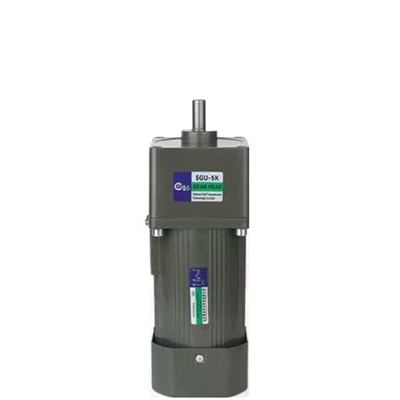
Hey there, fellow industry enthusiasts! As a supplier of Spindle Servo Motor, I've had my fair share of conversations about the ins and outs of these motors. One question that keeps popping up is, "What is the braking method of a spindle servo motor?" Well, that's exactly what we're going to dive into today.
First off, let's understand what a spindle servo motor is. It's a high - performance motor that plays a crucial role in many industrial applications, like CNC machines, robotics, and high - precision manufacturing. These motors need to be able to start, stop, and change speed quickly and accurately. And that's where braking methods come in.
Dynamic Braking
One of the most common braking methods for spindle servo motors is dynamic braking. This method works by converting the kinetic energy of the spinning motor into electrical energy. When you want to stop the motor, you disconnect it from the power supply and connect it to a resistor. The motor then acts like a generator, producing electrical current that is dissipated as heat in the resistor.
The beauty of dynamic braking is its simplicity. It doesn't require any additional complex mechanical components. You just need a resistor and a way to switch the motor's connections. This makes it a cost - effective option for many applications. However, it does have its limitations. The braking force decreases as the motor slows down, and it can generate a significant amount of heat, which might require additional cooling measures.
Regenerative Braking
Regenerative braking is another popular method. Instead of dissipating the electrical energy as heat like in dynamic braking, regenerative braking feeds the energy back into the power supply. This is a more energy - efficient option, especially in applications where the motor stops and starts frequently.
In a regenerative braking system, when the motor needs to slow down or stop, the controller switches the motor into a generating mode. The electrical energy produced by the motor is then converted back to a suitable voltage and frequency and fed back into the power grid or a local energy storage device. This not only saves energy but also reduces the load on the power supply.
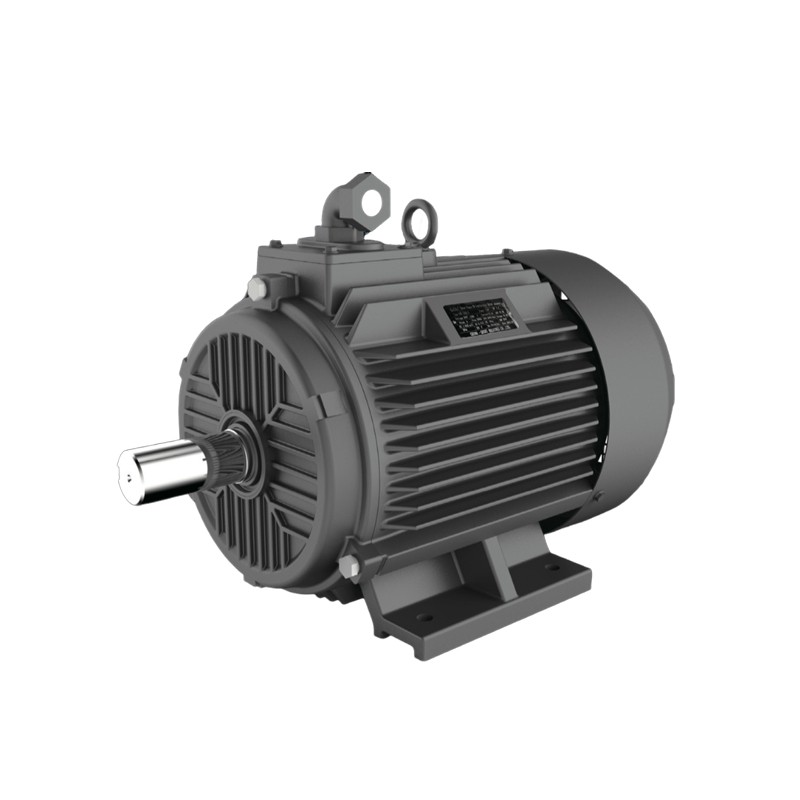

However, regenerative braking systems are more complex and expensive than dynamic braking systems. They require additional components such as power converters and energy storage devices. Also, the power grid needs to be able to accept the regenerated energy, which might not be the case in some remote or off - grid applications.
Plugging Braking
Plugging braking, also known as reverse - current braking, is a method where the motor's power supply connections are reversed. When you reverse the current direction in the motor's windings, it creates a torque that opposes the motor's rotation, causing it to slow down quickly.
This method can provide a very high braking torque, which means the motor can stop in a very short time. It's useful in applications where rapid stopping is required, like in some emergency situations. But it has its drawbacks. Reversing the power supply can cause a large inrush of current, which can damage the motor and other electrical components. Also, it can generate a lot of heat, similar to dynamic braking.
Mechanical Braking
Mechanical braking involves using physical components to stop the motor. This can be in the form of a brake disc, brake pads, or a brake shoe. When the braking system is activated, the brake pads or shoes are pressed against the brake disc, creating friction that slows down and stops the motor.
Mechanical brakes offer a reliable and independent way of stopping the motor. They can hold the motor in place even when there is no power, which is important in some applications where the motor needs to be locked in a specific position. However, mechanical brakes require regular maintenance, as the brake pads or shoes wear out over time. They also add additional weight and complexity to the system.
Which Braking Method to Choose?
The choice of braking method depends on several factors. If you're looking for a simple and cost - effective solution, dynamic braking might be the way to go. It's great for applications where the motor doesn't need to stop extremely quickly and where energy efficiency isn't a top priority.
For applications where energy efficiency is crucial, like in large - scale industrial operations or in electric vehicles, regenerative braking is a better option. It can save a significant amount of energy in the long run, even though it has a higher upfront cost.
If rapid stopping is essential, plugging braking can provide the high torque needed. But you need to make sure your system can handle the high current and heat generated.
And for applications where holding the motor in place is important, or where you need an independent braking system, mechanical braking is a reliable choice.
As a Spindle Servo Motor supplier, I've seen firsthand how different braking methods can impact the performance of a motor. We offer a wide range of motors with various braking options to suit different customer needs. Whether you're working on a small - scale project or a large - scale industrial application, we can help you find the right motor and braking solution.
The Role of Permanent Magnet Motors in Braking
Many of our spindle servo motors are Permanent Magnet Motor Synchronous. These motors have some unique characteristics that can affect the braking process. Permanent magnet motors have a high power density and efficiency, which means they can generate more power with less energy input.
In terms of braking, the permanent magnets in these motors can play a role in both dynamic and regenerative braking. The magnetic field created by the permanent magnets helps in generating the electrical current when the motor is in braking mode. This can improve the braking performance and efficiency of the motor.
Conclusion
In conclusion, understanding the braking methods of a spindle servo motor is crucial for getting the most out of your motor. Each braking method has its own advantages and disadvantages, and the right choice depends on your specific application requirements.
If you're in the market for a spindle servo motor or need more information about the braking options available, don't hesitate to reach out. We're here to help you make the best decision for your project. Whether you need a motor with dynamic braking for a simple application or a regenerative braking system for an energy - efficient operation, we've got you covered.
Let's work together to find the perfect spindle servo motor solution for your needs. Contact us today to start the conversation and explore the possibilities.
References
- "Electric Motors and Drives: Fundamentals, Types and Applications" by Austin Hughes
- "Servo Motors and Industrial Control Theory" by T. K. N. Iqbal