Hey there! As an IE3 electric motor supplier, I often get asked about the speed control options for these motors. IE3 motors are known for their high efficiency, and having the right speed control can really boost their performance. So, let's dive into the different ways you can control the speed of an IE3 electric motor.
Variable Frequency Drives (VFDs)
One of the most popular speed control methods for IE3 electric motors is using Variable Frequency Drives, commonly known as VFDs. A VFD works by adjusting the frequency and voltage supplied to the motor. Since the speed of an induction motor is directly related to the frequency of the power supply, changing the frequency can effectively change the motor's speed.
The main advantage of VFDs is their high efficiency. They allow the motor to run at the exact speed required by the application, which can lead to significant energy savings. For instance, in a pumping system, instead of having the motor run at full speed all the time and using a throttle valve to control the flow, a VFD can adjust the motor speed to match the required flow rate. This not only saves energy but also reduces wear and tear on the motor and other components.
Another benefit of VFDs is their ability to provide soft starting and stopping. When a motor starts directly across the line, it can draw a large inrush current, which can cause voltage dips in the electrical system and stress the motor. A VFD can gradually increase the frequency and voltage during startup, reducing the inrush current and providing a smooth start. Similarly, during shutdown, the VFD can gradually decrease the frequency and voltage, preventing sudden stops that can damage the equipment.
However, VFDs also have some drawbacks. They can be relatively expensive compared to other speed control methods, and they require proper installation and commissioning. Additionally, VFDs can generate electromagnetic interference (EMI), which can affect other electronic devices in the vicinity. To mitigate this, proper grounding and shielding techniques need to be employed.
Pole Changing Motors
Pole changing motors are another option for speed control. These motors are designed with multiple stator winding configurations that allow the number of poles to be changed. Since the speed of an induction motor is inversely proportional to the number of poles, changing the pole number can change the motor's speed.
Pole changing motors are relatively simple and reliable. They do not require any external control devices like VFDs, which makes them a cost-effective option for some applications. For example, in a conveyor system where the speed needs to be changed in discrete steps, a pole changing motor can be a good choice.

However, pole changing motors have some limitations. They can only provide a limited number of speed settings, usually two or three. Also, the speed changes are not continuous but rather in discrete steps, which may not be suitable for applications that require precise speed control.
Eddy Current Clutches
Eddy current clutches can also be used for speed control of IE3 electric motors. An eddy current clutch consists of a magnetic field source (usually an electromagnet) and a rotor. The motor drives the rotor, and the magnetic field from the electromagnet creates eddy currents in the rotor, which in turn produces a torque. By controlling the strength of the magnetic field, the torque transmitted from the motor to the load can be adjusted, and thus the speed of the load can be controlled.
The advantage of eddy current clutches is their ability to provide smooth and stepless speed control. They can be used in applications where a wide range of speeds is required, such as in textile machinery and paper mills.
But eddy current clutches also have some drawbacks. They are less efficient than VFDs because they dissipate energy in the form of heat. Also, they require regular maintenance to ensure proper operation.
DC Motor Speed Control (for DC versions of IE3 motors)
Some IE3 motors are available in DC versions, and for these motors, speed control can be achieved using different methods. One common method is armature voltage control. By varying the voltage applied to the armature of the DC motor, the speed can be controlled. This method is relatively simple and can provide good speed regulation.
Another method is field flux control. By changing the strength of the magnetic field in the motor, the speed can be adjusted. However, this method may not be suitable for applications that require high torque at low speeds.
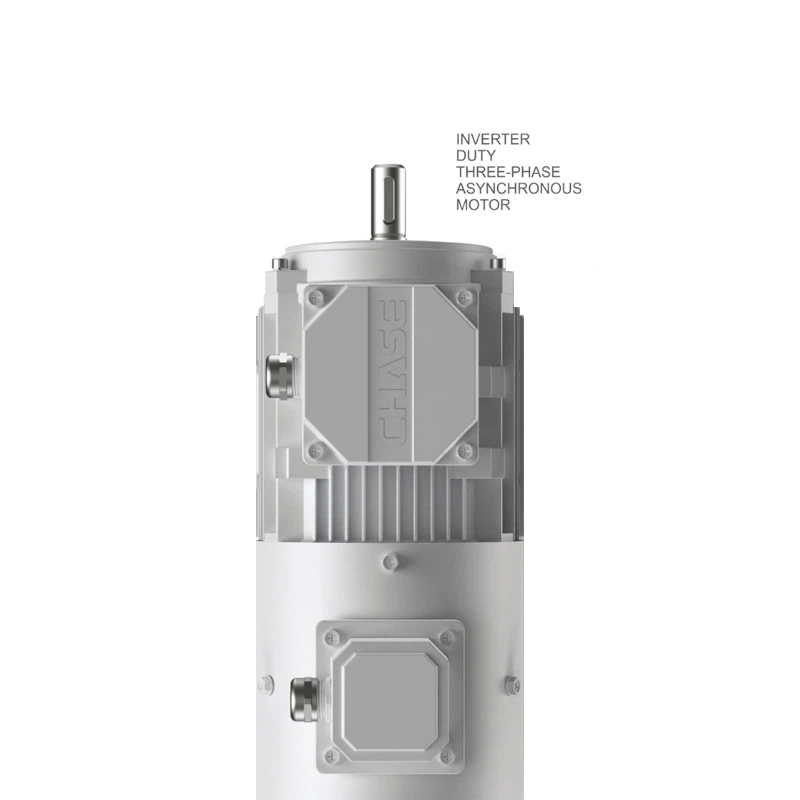
Now, let's talk about some of the specific types of motors we offer at our company. We have Inverter Duty Motor, which are designed to work well with VFDs. These motors are built to withstand the voltage spikes and high-frequency currents generated by VFDs, ensuring reliable operation.
Our Aluminium Electric Motor are lightweight and have good heat dissipation properties. They are suitable for applications where weight is a concern, such as in portable equipment.
And we also have Three Phase Brake Motor, which are equipped with a brake mechanism for quick and reliable stopping. These motors are commonly used in applications where precise positioning and stopping are required, such as in hoists and conveyors.
If you're in the market for IE3 electric motors and need the right speed control solution for your application, we're here to help. Our team of experts can provide you with the advice and support you need to choose the best motor and speed control option for your specific requirements. Whether you need a simple pole changing motor or a more sophisticated VFD system, we've got you covered.
So, don't hesitate to reach out to us for more information or to start a procurement discussion. We're looking forward to working with you to meet your motor needs and help you achieve optimal performance and energy savings.
References
- “Electric Motor Handbook” by Terence L. Kenny
- “Variable Frequency Drives: Selection, Application, and Troubleshooting” by Robert J. Mellor
- Technical documents from motor manufacturers and industry associations