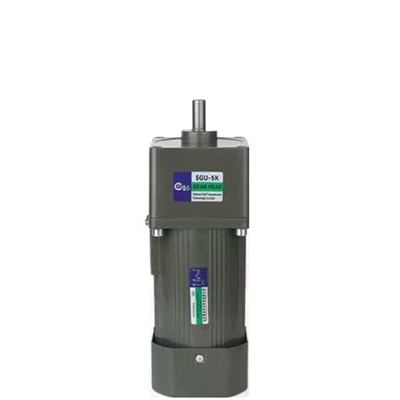
Hey there! As a supplier of ISW Vertical Pumps, I've had my fair share of experiences dealing with the installation of these pumps in high - rise buildings. In this blog, I'm gonna walk you through the installation requirements for an ISW vertical pump in a high - rise building.
Site Preparation
First things first, site preparation is crucial. You need to find a suitable location for the pump. The area should be flat and level. A non - level surface can cause the pump to vibrate excessively during operation, which not only affects the pump's performance but also shortens its lifespan.
The location should also be well - ventilated. High - rise buildings often have complex ventilation systems, but the pump area needs its own proper ventilation. The ISW Vertical Pump generates heat during operation, and if the heat can't dissipate properly, it can lead to overheating and potential damage to the pump components. You can check out more details about the ISW Vertical Pump on our website ISW Vertical Pump.
Another important aspect of site preparation is ensuring that there is enough space around the pump. You need to have easy access for maintenance and repairs. There should be at least a few feet of clearance on all sides of the pump. This allows technicians to move freely and perform tasks like checking the pump's impeller, motor, or seals without any hassle.


Foundation Installation
The foundation for the ISW vertical pump in a high - rise building must be strong and stable. High - rise buildings are subject to various forces such as wind, seismic activity, and the movement of the building itself. A weak foundation can cause the pump to shift or become misaligned, leading to problems like leaks and reduced efficiency.
The foundation should be made of reinforced concrete. The thickness and size of the foundation depend on the size and weight of the pump. You need to follow the manufacturer's specifications carefully. For example, if you're using an Industrial Vertical Pipeline Pump, the foundation requirements might be different from a standard ISW vertical pump.
Once the foundation is poured, it needs to cure properly. This usually takes a few days to a week, depending on the weather conditions and the type of concrete used. During the curing process, it's important to keep the foundation moist to ensure proper strength development.
Pipe Connection
Proper pipe connection is essential for the efficient operation of the ISW vertical pump. The pipes should be of the right size and material. The size of the pipes is determined by the flow rate and pressure requirements of the pump. Using pipes that are too small can cause high - pressure drops, while pipes that are too large can lead to inefficient flow.
The pipes should be made of a material that is compatible with the fluid being pumped. For example, if you're pumping water, you can use steel or PVC pipes. However, if you're pumping a corrosive fluid, you might need to use stainless steel or other corrosion - resistant materials.
When connecting the pipes to the pump, make sure the connections are tight and leak - free. You can use gaskets and seals to ensure a proper seal. It's also important to align the pipes correctly. Misaligned pipes can cause stress on the pump and lead to premature failure. You can learn more about the Vertical Pipeline Pump and its pipe connection requirements on our website.
Electrical Installation
The electrical installation for the ISW vertical pump in a high - rise building must be done by a qualified electrician. The pump requires a stable power supply. The voltage and frequency of the power supply should match the pump's specifications.
You need to install proper electrical protection devices such as circuit breakers and fuses. These devices protect the pump from over - current and short - circuit conditions. The electrical wiring should be properly sized and insulated to prevent electrical hazards.
It's also important to ground the pump properly. Grounding helps to protect the pump and the operators from electrical shocks. The grounding wire should be connected to a reliable ground source, such as a grounding rod.
Alignment and Testing
After the pump is installed, it needs to be aligned correctly. The pump shaft and the motor shaft should be in perfect alignment. Misalignment can cause excessive vibration, noise, and premature wear of the bearings and seals. You can use alignment tools such as laser alignment systems to ensure accurate alignment.
Once the pump is aligned, it's time for testing. You should conduct a series of tests to ensure that the pump is working properly. Start with a dry run to check for any mechanical problems such as abnormal noise or vibration. Then, fill the pump with the fluid and conduct a wet run. During the wet run, check the flow rate, pressure, and power consumption of the pump. Make sure the pump is operating within the specified parameters.
Safety Considerations
Safety is always a top priority when installing an ISW vertical pump in a high - rise building. You need to provide proper safety equipment such as safety guards around the moving parts of the pump. These guards prevent operators from coming into contact with the rotating impeller or motor, which can cause serious injuries.
You should also provide safety signs in the pump area. These signs should indicate the potential hazards and the safety procedures to follow. For example, there should be signs indicating that the area is restricted to authorized personnel only and signs warning about electrical hazards.
Maintenance Plan
Finally, you need to develop a maintenance plan for the ISW vertical pump. Regular maintenance helps to ensure the long - term reliability and performance of the pump. The maintenance plan should include tasks such as checking the oil level in the bearings, inspecting the seals for leaks, and cleaning the impeller.
You should also schedule regular inspections by a qualified technician. These inspections can help to detect any potential problems early and prevent major breakdowns.
In conclusion, installing an ISW vertical pump in a high - rise building requires careful planning and attention to detail. From site preparation to maintenance, every step is important. If you're in the market for an ISW vertical pump or need more information about the installation process, feel free to reach out to us. We're here to help you with all your pumping needs. Whether you're a building contractor, a facility manager, or an engineer, we can provide you with the right pump and the support you need for a successful installation.
References
- Pump Installation Manuals
- Building Codes and Standards for High - Rise Buildings
- Manufacturer's Technical Documents for ISW Vertical Pumps