Hey there! As an IE3 electric motor supplier, I'm super excited to chat about the rotor designs of IE3 electric motors. So, let's dive right in!
First off, what exactly are IE3 electric motors? Well, they're high - efficiency motors that meet the IE3 energy efficiency class standards. These motors are designed to save energy and reduce operating costs, making them a popular choice in various industries. And the rotor design plays a crucial role in achieving this high efficiency.
Squirrel - Cage Rotors
One of the most common rotor designs in IE3 electric motors is the squirrel - cage rotor. It's called that because it looks a bit like a squirrel cage! The structure is relatively simple. It consists of a laminated core made up of thin steel sheets. These sheets are stacked together to reduce eddy current losses.
In a squirrel - cage rotor, there are conductive bars placed in slots around the periphery of the core. These bars are usually made of copper or aluminum. At the ends of the bars, there are short - circuiting rings that connect all the bars together. When the stator of the motor creates a rotating magnetic field, the magnetic flux cuts through the conductive bars in the rotor. This induces an electromotive force (EMF) in the bars according to Faraday's law of electromagnetic induction.
The induced EMF causes a current to flow in the bars, and this current interacts with the rotating magnetic field of the stator. As a result, a torque is produced, which makes the rotor rotate. The simplicity of the squirrel - cage rotor design makes it very reliable and easy to manufacture. It also has low maintenance requirements, which is a big plus for industrial applications.
The choice of materials for the conductive bars can have a significant impact on the motor's performance. Copper has better electrical conductivity than aluminum. So, motors with copper squirrel - cage rotors generally have higher efficiency and better performance. However, copper is more expensive than aluminum. So, manufacturers need to balance the cost and performance requirements when choosing the material for the bars.
Wound Rotors
Another type of rotor design used in some IE3 electric motors is the wound rotor. Unlike the squirrel - cage rotor, the wound rotor has a set of insulated windings instead of conductive bars. These windings are connected to slip rings on the rotor shaft.
The major advantage of a wound rotor is that external resistors can be connected to the slip rings through brushes. By adjusting the value of these external resistors, we can control the rotor current and, consequently, the motor's torque and speed. This makes wound - rotor motors very suitable for applications where variable speed and high starting torque are required, such as in cranes and elevators.
However, wound - rotor motors also have some drawbacks. The slip rings and brushes add complexity to the motor design and require more maintenance. Over time, the brushes can wear out, and the slip rings can get damaged. This can lead to reduced motor performance and increased downtime.
Comparison between Squirrel - Cage and Wound Rotors
When it comes to choosing between squirrel - cage and wound rotors for IE3 electric motors, there are several factors to consider.
In terms of efficiency, squirrel - cage rotors are generally more efficient at normal operating conditions. Their simple design reduces losses due to eddy currents and hysteresis. On the other hand, wound - rotor motors can be adjusted to provide better performance at low speeds by adding external resistance, but this comes at the cost of increased losses.
Reliability is another important factor. Squirrel - cage rotors are more reliable because they have fewer moving parts compared to wound rotors. There are no brushes or slip rings that can wear out, which means less maintenance and longer service life.
Cost is also a consideration. Squirrel - cage rotors are cheaper to manufacture because of their simple design. Wound - rotor motors, on the other hand, are more expensive due to the additional components like slip rings and brushes.
Impact of Rotor Design on IE3 Motor Performance
The rotor design has a huge impact on the overall performance of IE3 electric motors. A well - designed rotor can improve the motor's efficiency, power factor, and starting torque.
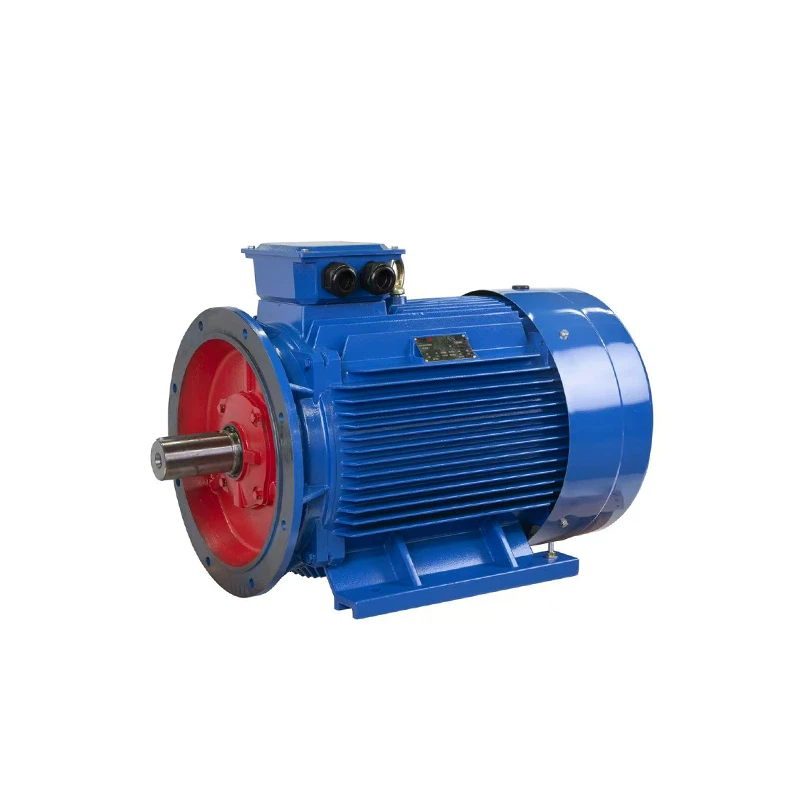

For example, a properly sized and shaped squirrel - cage rotor can reduce the rotor resistance and leakage reactance. This leads to a higher power factor and better efficiency. The rotor's magnetic properties also play a role. By using high - quality laminated steel in the core, we can minimize hysteresis and eddy current losses, which further improves the motor's efficiency.
In the case of wound rotors, the ability to adjust the external resistance allows for better control of the starting torque. This is especially important in applications where the motor needs to start under heavy loads.
Other Rotor Design Considerations
Apart from the basic squirrel - cage and wound - rotor designs, there are other factors to consider in rotor design for IE3 electric motors.
The ventilation of the rotor is crucial. Proper ventilation helps to dissipate the heat generated during operation. This prevents the motor from overheating, which can reduce its efficiency and lifespan. Some rotors are designed with ventilation channels or fins to improve air circulation.
The balance of the rotor is also important. An unbalanced rotor can cause vibrations, which can lead to mechanical wear and tear on the motor and other connected equipment. Manufacturers use advanced techniques to ensure that the rotor is well - balanced during the manufacturing process.
Related Products
If you're interested in other types of motors, we also offer IE4 Electric Motor, which has even higher energy efficiency than IE3 motors. And for those looking for a more traditional option, our IE1 Three Phase Motor is a reliable choice. We also have Cast Iron Three Phase Motor, known for its durability and robustness.
Conclusion
In conclusion, the rotor design of IE3 electric motors is a critical aspect that affects the motor's performance, efficiency, and reliability. Whether it's the simple and reliable squirrel - cage rotor or the more adjustable wound rotor, each design has its own advantages and is suitable for different applications.
If you're in the market for IE3 electric motors or have any questions about rotor designs, feel free to reach out and start a procurement discussion. We're here to help you find the perfect motor for your specific needs!
References
- Chapman, S. J. (2012). Electric Machinery Fundamentals. McGraw - Hill.
- Fitzgerald, A. E., Kingsley Jr, C., & Umans, S. D. (2003). Electric Machinery. McGraw - Hill.