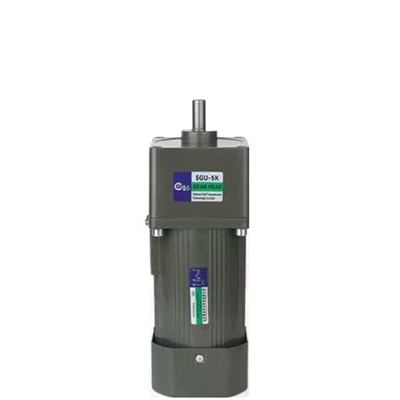
Hey there! As a supplier of the WQD Sewage Pump, I've seen my fair share of issues that customers run into. In this blog, I'm gonna walk you through how to troubleshoot some common problems of the WQD Sewage Pump. Let's dive right in!
The Pump Won't Start
One of the most common problems folks face is that the pump just won't start. First off, check the power supply. Sounds simple, but you'd be surprised how often it's just a loose plug or a tripped circuit breaker. Make sure the power cord is properly plugged in and that there's no visible damage to it. If the circuit breaker has tripped, reset it. But if it trips again right away, there might be a more serious issue.
Next, take a look at the motor. Sometimes, the motor might be overheated. This can happen if the pump has been running continuously for a long time or if there's a blockage. Let the motor cool down for a while and then try starting the pump again. If the motor still doesn't start, it could be a problem with the motor windings. In this case, it's best to call in a professional.
Low Flow or No Flow
Another common problem is low flow or no flow of sewage. The first thing to check is for blockages. The pump might be clogged with debris such as rags, plastics, or other solid objects. You can try removing the pump from the sewage pit and inspecting the impeller and the intake. Use a pair of pliers or a brush to clear any debris you find.
If there's no blockage, the problem could be with the impeller. Over time, the impeller can wear out, especially if it's been dealing with abrasive materials. You might need to replace the impeller. You can find replacement impellers for the WQD Sewage Pump on our website.


Also, check the water level in the sewage pit. If the water level is too low, the pump might not be able to draw in enough sewage. Make sure the pump is installed at the correct depth and that the water level is sufficient for the pump to operate effectively.
Excessive Noise
If your WQD Sewage Pump is making excessive noise, it could be a sign of several issues. First, check if the pump is properly installed. If it's not level or if the mounting bolts are loose, it can cause the pump to vibrate and make noise. Tighten the mounting bolts and make sure the pump is sitting level.
The noise could also be coming from the bearings. Over time, the bearings can wear out, causing a grinding or squealing noise. If you suspect the bearings are the problem, you'll need to replace them. This is a more complex repair, so it's advisable to get help from a professional.
Another possible cause of noise is cavitation. Cavitation occurs when the pressure in the pump drops too low, causing the formation of vapor bubbles. These bubbles then collapse, creating a popping or cracking noise. To fix this, check the suction conditions and make sure the pump is not operating at too high a flow rate.
Leaking
Leaking is another issue that can be a real headache. First, check the seals. The seals around the pump shaft and the housing can wear out over time, causing leaks. If you notice a leak around the shaft, you might need to replace the shaft seal. You can find replacement seals for the WQD Sewage Pump on our website.
If the leak is coming from the housing, it could be a crack in the housing. Inspect the housing carefully for any visible cracks. If you find a crack, it's best to replace the housing. This is a more major repair, so it's recommended to get professional assistance.
Overheating
As mentioned earlier, overheating can be a problem. Besides checking for blockages and giving the motor a chance to cool down, you should also make sure the pump has proper ventilation. If the pump is installed in a confined space, it might not be getting enough air circulation, which can cause it to overheat.
Check the cooling fins on the motor. If they're dirty or clogged with debris, they won't be able to dissipate heat effectively. Clean the cooling fins with a brush or compressed air.
Electrical Issues
Electrical problems can be tricky to diagnose. If you suspect an electrical issue, start by checking the wiring. Look for any frayed or damaged wires. If you find any, replace the wires. Make sure all the connections are tight and secure.
If the pump has a control panel, check the settings. Sometimes, the settings might have been accidentally changed, causing the pump to malfunction. Refer to the user manual to make sure the settings are correct.
If you're still having trouble with electrical issues, it's best to call in an electrician. Electrical problems can be dangerous, so it's not something you should try to fix yourself unless you have the proper knowledge and experience.
Conclusion
Well, there you have it! These are some of the most common problems of the WQD Sewage Pump and how to troubleshoot them. Remember, if you're ever unsure about how to fix a problem, don't hesitate to reach out to us. We're here to help you keep your pump running smoothly.
If you're in the market for a new sewage pump or need replacement parts for your WQD Sewage Pump, we've got you covered. We also offer the WQK Cutting Sewage Pump and Submersible Sewage Water Pump, which are great alternatives depending on your needs.
If you have any questions or want to discuss your requirements, feel free to contact us. We're always happy to have a chat and help you find the best solution for your sewage pumping needs. Let's work together to keep your sewage system in top shape!
References
- Manufacturer's manual for the WQD Sewage Pump
- Industry best practices for sewage pump troubleshooting