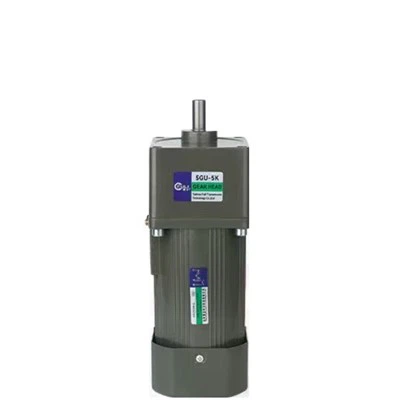
Hey there! As a supplier of spa pumps, I know how crucial it is to ensure that these pumps perform at their best. After all, a well - performing spa pump is the heart of any spa system, providing the necessary circulation and power for a relaxing and enjoyable spa experience. In this blog, I'm gonna share with you some effective ways to test the performance of a spa pump.
1. Flow Rate Testing
The flow rate is one of the most important aspects of a spa pump's performance. It refers to the volume of water that the pump can move through the system in a given amount of time, usually measured in gallons per minute (GPM).
To test the flow rate, you'll need a flow meter. You can purchase a flow meter from a local pool and spa supply store or online. First, turn off the spa and locate the pump. Connect the flow meter to the pump's outlet pipe. Make sure the connection is secure to prevent any leaks.
Once the flow meter is connected, turn on the spa pump. Let it run for a few minutes to reach a steady state. Then, read the flow rate on the flow meter. Compare the measured flow rate with the pump's rated flow rate, which can usually be found in the pump's manual or specifications.
If the measured flow rate is significantly lower than the rated flow rate, there could be several issues. It might be due to a clogged filter, a blockage in the pipes, or a problem with the pump impeller. You can check the filter and clean or replace it if necessary. Inspect the pipes for any visible blockages and clear them if you find any. If the problem persists, the impeller might need to be checked or replaced.
2. Pressure Testing
Pressure testing is another important step in evaluating the performance of a spa pump. The pressure in the spa system affects the water circulation and the effectiveness of the jets.
To test the pressure, you'll need a pressure gauge. Similar to the flow meter, you can buy a pressure gauge from a pool and spa supply store. Connect the pressure gauge to the pump's outlet or a suitable pressure port in the system.
Turn on the spa pump and let it run until the pressure stabilizes. Read the pressure on the gauge. The normal operating pressure for a spa pump can vary depending on the pump model and the spa system, but it typically ranges from 10 to 30 pounds per square inch (PSI).
If the pressure is too low, it could indicate a problem with the pump, such as a worn - out impeller or a leak in the system. On the other hand, if the pressure is too high, it might be due to a blockage in the pipes or a closed valve. Check the system for any signs of leaks or blockages and make the necessary adjustments.
3. Power Consumption Testing
Power consumption is an important factor to consider when testing the performance of a spa pump. A pump that consumes too much power can lead to higher energy bills and might also indicate an underlying problem with the pump.
To test the power consumption, you'll need a watt - meter. You can plug the spa pump into the watt - meter, and then plug the watt - meter into the electrical outlet. Turn on the spa pump and let it run for a while. The watt - meter will display the power consumption in watts.
Compare the measured power consumption with the pump's rated power consumption. If the measured power consumption is much higher than the rated power consumption, it could be a sign of a problem, such as a faulty motor or a mechanical issue in the pump. You might need to have the pump inspected by a professional technician.
4. Noise and Vibration Testing
A well - functioning spa pump should operate quietly and with minimal vibration. Excessive noise and vibration can be a sign of problems with the pump.
To test for noise, turn on the spa pump and listen carefully. If you hear loud or unusual noises, such as grinding, rattling, or screeching, it could indicate a problem with the pump bearings, the impeller, or other internal components.


To test for vibration, place your hand gently on the pump housing while it's running. If you feel excessive vibration, it might be due to an unbalanced impeller, loose mounting bolts, or a problem with the motor. Check the mounting bolts and tighten them if they are loose. If the vibration persists, the impeller might need to be balanced or replaced.
5. Temperature Testing
The temperature of the spa pump can also provide valuable information about its performance. A pump that runs too hot can be a sign of overloading, a problem with the motor cooling system, or other issues.
You can use an infrared thermometer to measure the temperature of the pump housing. Point the thermometer at the pump housing and take a reading. The normal operating temperature of a spa pump can vary, but it usually shouldn't exceed 150°F (65°C).
If the temperature is too high, turn off the pump immediately to prevent damage. Check the pump for any signs of overloading, such as a clogged filter or a blockage in the pipes. Make sure the motor cooling system is working properly. If the problem persists, have the pump inspected by a professional.
Our Spa Pump Products
At our company, we offer a wide range of high - quality spa pumps, including SPA Circulation Pump, Multifunctional SPA Pump, and Electric SPA Pump. These pumps are designed to provide excellent performance, reliability, and energy efficiency.
If you're in the market for a new spa pump or need to replace an existing one, we'd love to hear from you. Our team of experts can help you choose the right pump for your spa system and provide you with all the support you need. Whether you're a spa owner, a pool and spa installer, or a distributor, we're here to assist you.
Contact us today to start the procurement and negotiation process. We're confident that our spa pumps will meet your needs and exceed your expectations.
References
- Spa Pump Installation and Maintenance Manuals
- Pool and Spa Supply Industry Publications
- Technical Resources from Spa Pump Manufacturers