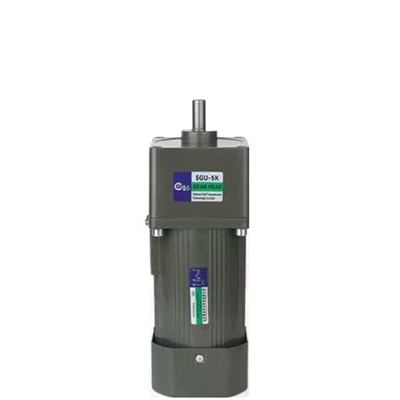
Can a 220V AC Gear Motor be used in a low - temperature environment?
As a supplier of 220V AC gear motors, I often receive inquiries from customers about the performance of our motors in various environments, especially in low - temperature conditions. This blog aims to provide a comprehensive analysis of whether a 220V AC gear motor can be used in a low - temperature environment.
Understanding the Basics of 220V AC Gear Motors
Before delving into the low - temperature performance, let's first understand what a 220V AC gear motor is. A 220V AC gear motor is a type of motor that operates on a 220 - volt alternating current power supply. The gear mechanism in the motor is used to reduce the speed of the motor shaft while increasing the torque. This makes it suitable for a wide range of applications, such as conveyor systems, industrial machinery, and home appliances.
There are different types of gear motors available in the market, including Gear Reduction Motor, 400W AC Gear Motor, and Worm Gear Reduction Motor. Each type has its own characteristics and is designed for specific applications.
Effects of Low Temperature on 220V AC Gear Motors
Low - temperature environments can have several effects on 220V AC gear motors.
1. Lubrication Issues
Most gear motors use lubricants to reduce friction between moving parts and to dissipate heat. At low temperatures, the viscosity of the lubricant increases, which means it becomes thicker. This can lead to increased resistance in the gearbox, making it harder for the gears to turn. As a result, the motor may experience a decrease in efficiency and an increase in power consumption. In extreme cases, the thickened lubricant may even cause the gears to seize up, leading to motor failure.


2. Electrical Insulation
The electrical insulation materials in the motor are also affected by low temperatures. These materials can become brittle and crack, which can lead to electrical shorts and other safety hazards. Additionally, the performance of the insulation may degrade over time, reducing the motor's overall reliability.
3. Battery and Capacitor Performance (if applicable)
Some 220V AC gear motors may have additional components such as batteries or capacitors. Low temperatures can significantly reduce the performance of these components. For example, the capacity of a battery decreases at low temperatures, which can affect the motor's starting ability and overall operation.
4. Material Contraction
All materials contract when exposed to low temperatures. In a gear motor, this can cause misalignment between the gears and other components. The contraction of the motor housing and the gears themselves can lead to increased wear and tear, and may even cause the gears to bind or break.
Mitigating the Effects of Low Temperature
Despite the challenges posed by low - temperature environments, there are several ways to ensure that a 220V AC gear motor can operate effectively.
1. Use of Special Lubricants
There are lubricants specifically designed for low - temperature applications. These lubricants have a lower viscosity at low temperatures, which helps to maintain smooth operation of the gears. By using these special lubricants, the negative effects of thickening can be minimized.
2. Heating Elements
Installing heating elements in the motor or the gearbox can help to maintain a suitable operating temperature. These heating elements can be controlled by a thermostat to ensure that the temperature does not exceed safe limits.
3. Insulation and Enclosure Design
Improving the insulation of the motor and using a well - designed enclosure can help to protect the motor from the cold. A good enclosure can prevent cold air from directly contacting the motor, reducing the rate of heat loss.
4. Component Selection
When designing a 220V AC gear motor for low - temperature use, it is important to select components that are suitable for cold environments. For example, using batteries and capacitors with better low - temperature performance can improve the overall reliability of the motor.
Case Studies
Let's take a look at some real - world examples of 220V AC gear motors used in low - temperature environments.
In a cold storage facility, a conveyor system was equipped with 400W AC Gear Motor. Initially, the motors experienced problems with lubrication, as the standard lubricant thickened in the low - temperature environment. After switching to a low - temperature lubricant, the motors' performance improved significantly, and the system was able to operate smoothly.
In another case, a manufacturing plant in a cold climate used Worm Gear Reduction Motor in its machinery. By installing heating elements in the gearboxes, the plant was able to maintain a stable operating temperature and prevent the gears from seizing up.
Conclusion
In conclusion, while a 220V AC gear motor can face challenges when used in a low - temperature environment, it is possible to overcome these challenges with the right measures. By understanding the effects of low temperature on the motor's components and taking appropriate steps to mitigate these effects, such as using special lubricants, installing heating elements, and improving insulation, the motor can operate effectively in cold conditions.
If you are considering using a 220V AC gear motor in a low - temperature environment, or if you have any questions about our products, please feel free to contact us for more information. We are committed to providing high - quality gear motors and solutions to meet your specific needs.
References
- "Motor Handbook" by Arnold Tustin
- "Electrical Engineering: Principles and Applications" by Allan R. Hambley
- Industry reports on gear motor performance in extreme environments