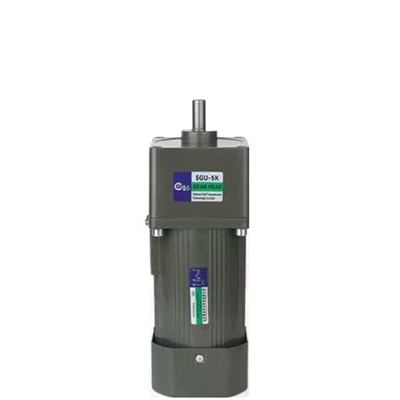
As a supplier of 220V AC Gear Motors, I understand the importance of protecting these valuable components from mechanical shock. Mechanical shock can cause significant damage to the motor, leading to reduced performance, increased downtime, and costly repairs. In this blog post, I will share some effective strategies on how to protect a 220V AC Gear Motor from mechanical shock.
Understanding Mechanical Shock
Mechanical shock refers to a sudden and intense force applied to the motor. This can occur due to various reasons, such as impacts during transportation, sudden stops or starts in the system, or vibrations from other machinery. When a 220V AC Gear Motor is subjected to mechanical shock, it can lead to several issues, including:
- Bearing damage: The bearings in the motor can be easily damaged by shock, leading to increased friction, noise, and premature wear.
- Shaft misalignment: A sudden shock can cause the motor shaft to become misaligned, which can affect the performance of the gearbox and other connected components.
- Gear damage: The gears in the gearbox can be damaged by shock, resulting in reduced efficiency, increased noise, and potential failure.
- Electrical component damage: The electrical components in the motor, such as the windings and capacitors, can also be damaged by shock, leading to electrical failures.
Strategies for Protecting a 220V AC Gear Motor from Mechanical Shock
1. Proper Mounting
One of the most important steps in protecting a 220V AC Gear Motor from mechanical shock is to ensure proper mounting. The motor should be mounted on a stable and rigid surface using appropriate mounting brackets or feet. The mounting surface should be flat and free of any irregularities or vibrations. Additionally, the motor should be properly aligned with the driven equipment to prevent excessive stress on the shaft and bearings.
2. Use of Shock Absorbers
Shock absorbers can be used to reduce the impact of mechanical shock on the motor. These devices are designed to absorb and dissipate the energy generated by shock, protecting the motor from damage. There are several types of shock absorbers available, including rubber mounts, spring mounts, and hydraulic dampers. The choice of shock absorber will depend on the specific application and the level of shock protection required.
3. Installation of Vibration Isolators
Vibration isolators can be used to reduce the transmission of vibrations from the motor to the surrounding equipment. These devices are typically made of rubber or other flexible materials and are installed between the motor and the mounting surface. Vibration isolators help to absorb and dampen the vibrations generated by the motor, reducing the risk of mechanical shock and damage to the motor and other components.
4. Use of Protective Enclosures
Protective enclosures can be used to shield the motor from external impacts and debris. These enclosures are typically made of metal or plastic and are designed to provide a physical barrier between the motor and the environment. Protective enclosures can help to prevent damage to the motor from impacts, dust, dirt, and moisture, extending the lifespan of the motor.
5. Proper Handling and Transportation
During handling and transportation, it is important to take precautions to prevent mechanical shock to the motor. The motor should be carefully packaged and secured to prevent movement and damage during transit. Additionally, the motor should be handled with care and avoid being dropped or subjected to excessive force.
6. Regular Maintenance and Inspection
Regular maintenance and inspection of the 220V AC Gear Motor are essential for detecting and preventing mechanical shock damage. The motor should be inspected regularly for signs of wear, damage, or misalignment. Any issues should be addressed promptly to prevent further damage to the motor. Additionally, the motor should be lubricated regularly to ensure smooth operation and reduce the risk of mechanical shock.
Specific Considerations for Different Types of 220V AC Gear Motors
1. 220V AC Gear Motor
The standard 220V AC Gear Motor is a common choice for many applications. When protecting this type of motor from mechanical shock, it is important to follow the general strategies outlined above. Additionally, the motor should be properly sized for the application to ensure that it can handle the load without being overstressed.
2. Worm Gear Reduction Motor
Worm gear reduction motors are often used in applications where high torque and low speed are required. These motors are more susceptible to mechanical shock due to the nature of the worm gear design. To protect a worm gear reduction motor from mechanical shock, it is important to use a shock absorber or vibration isolator specifically designed for this type of motor. Additionally, the motor should be properly lubricated to reduce friction and wear.
3. 200W AC Gear Motor
The 200W AC Gear Motor is a popular choice for medium-duty applications. When protecting this type of motor from mechanical shock, it is important to ensure proper mounting and alignment. Additionally, the motor should be equipped with a protective enclosure to prevent damage from external impacts and debris.
Conclusion
Protecting a 220V AC Gear Motor from mechanical shock is essential for ensuring its reliable operation and longevity. By following the strategies outlined in this blog post, such as proper mounting, use of shock absorbers and vibration isolators, installation of protective enclosures, proper handling and transportation, and regular maintenance and inspection, you can significantly reduce the risk of mechanical shock damage to your motor.
If you are in the market for a high-quality 220V AC Gear Motor or need more information on how to protect your existing motor from mechanical shock, please feel free to contact us. We are a leading supplier of 220V AC Gear Motors and have the expertise and experience to help you find the right solution for your application.
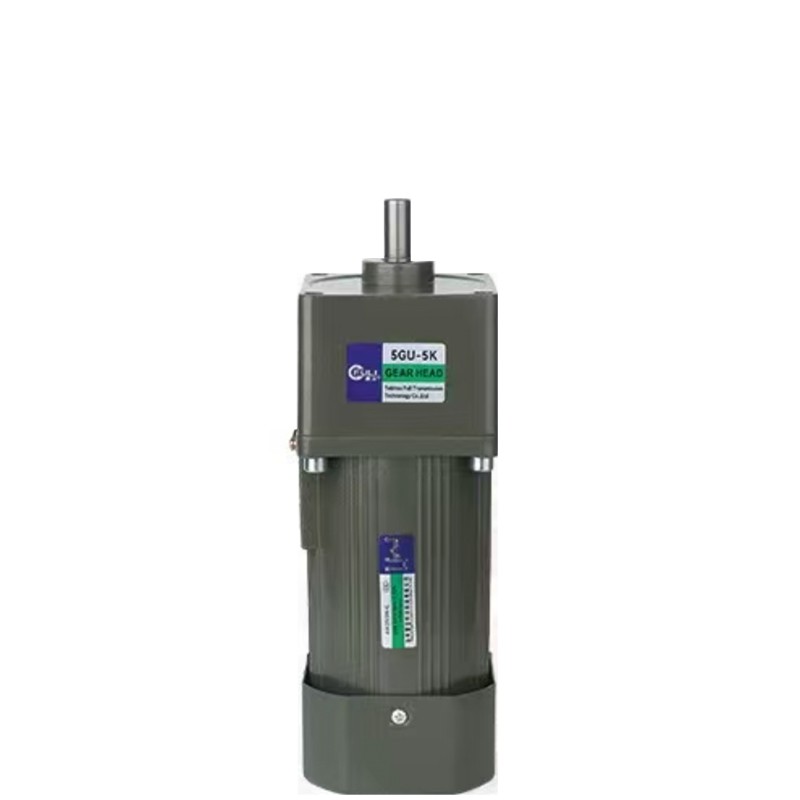

References
- "Motor Handbook" by Arnold Tustin
- "Electrical Machines and Drives" by Stephen J. Chapman
- "Mechanical Design Handbook" by Robert C. Juvinall and Kurt M. Marshek