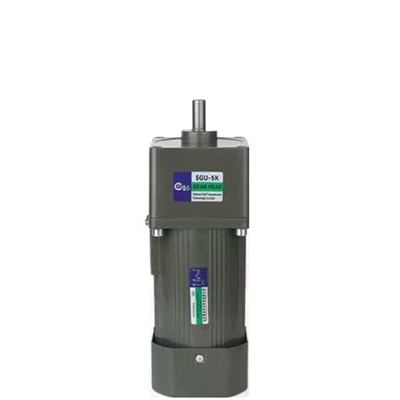
As a Spindle Servo Motor supplier, I understand the crucial role these motors play in various industrial applications. The overload capacity of a spindle servo motor is a key factor that directly impacts its performance and reliability, especially in high - demand and intermittent - load scenarios. In this blog, I will discuss effective ways to improve the overload capacity of a spindle servo motor.
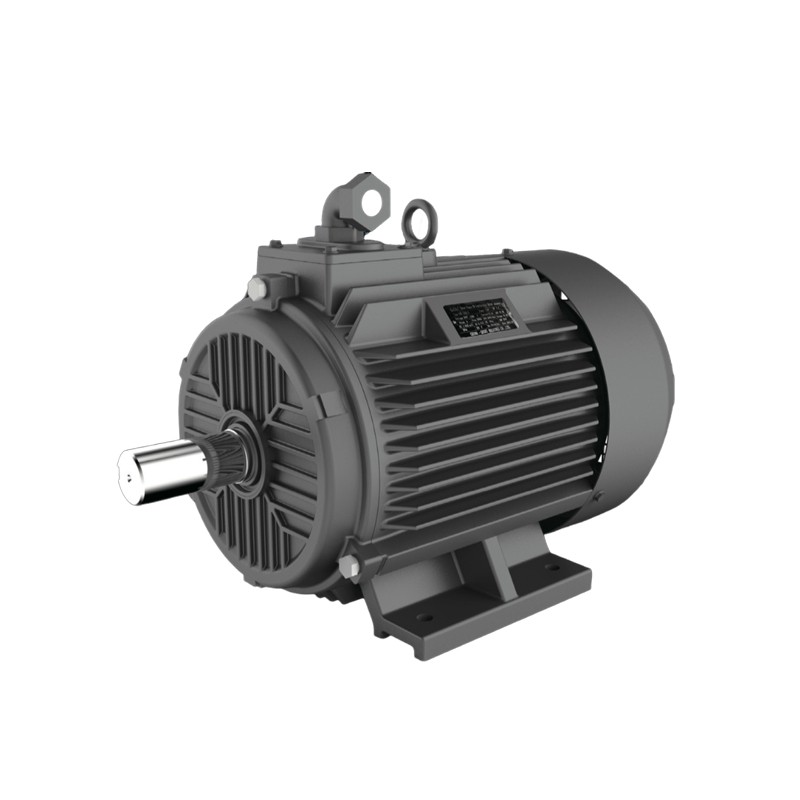

Understanding Spindle Servo Motors
Spindle servo motors are designed to provide precise speed and torque control, making them ideal for applications such as CNC machine tools, robotics, and industrial automation. A Spindle Servo Motor typically operates under high - speed and high - torque conditions, and its overload capacity determines how well it can handle short - term excessive loads without damage or significant performance degradation.
Factors Affecting Overload Capacity
- Motor Design and Construction
- Magnetic Circuit Design: The design of the magnetic circuit in a spindle servo motor can greatly affect its overload capacity. A well - optimized magnetic circuit can increase the motor's efficiency and torque output. For example, using high - quality magnetic materials such as neodymium magnets in a Permanent Magnet Motor Synchronous can enhance the magnetic flux density, resulting in higher torque production and better overload performance.
- Winding Configuration: The winding configuration of the motor also plays a role. A proper winding design can reduce copper losses and improve heat dissipation. For instance, using a multi - layer winding can increase the space utilization of the stator slots and reduce the resistance of the winding, which is beneficial for handling overloads.
- Thermal Management
- Heat Dissipation Capacity: Overload operation generates additional heat in the motor. Effective heat dissipation is crucial to prevent the motor from overheating. Motors can be equipped with cooling systems such as air - cooling or liquid - cooling. Air - cooling is relatively simple and cost - effective, using fans to blow air over the motor's surface. Liquid - cooling, on the other hand, can provide more efficient heat removal, especially for high - power spindle servo motors.
- Thermal Protection Devices: Installing thermal protection devices such as thermistors or thermal switches can help protect the motor from overheating during overload conditions. These devices can monitor the motor's temperature and trigger an alarm or shut down the motor if the temperature exceeds a certain threshold.
- Control Strategy
- Torque Control: Implementing advanced torque control algorithms can improve the motor's ability to handle overloads. For example, field - oriented control (FOC) can precisely control the motor's torque by decoupling the magnetic flux and torque components. This allows the motor to respond more quickly and accurately to sudden load changes, enhancing its overload performance.
- Overload Protection Settings: Properly setting the overload protection parameters in the motor controller is essential. The protection settings should be based on the motor's rated capacity and the expected load conditions. A too - conservative setting may limit the motor's normal operation, while a too - liberal setting may lead to motor damage during overloads.
Ways to Improve Overload Capacity
- Upgrade the Motor Design
- Material Selection: As mentioned earlier, using high - performance magnetic materials can improve the motor's torque density and overload capacity. Additionally, using high - conductivity copper for the windings can reduce copper losses and improve heat dissipation, enabling the motor to handle higher currents during overloads.
- Optimized Stator and Rotor Geometry: Designing the stator and rotor with optimized geometries can improve the magnetic coupling between them, resulting in higher torque output. For example, using a skewed rotor design can reduce the cogging torque and improve the motor's smooth operation, which is especially beneficial during overload conditions.
- Enhance Thermal Management
- Improve Cooling Systems: For air - cooled motors, increasing the size or efficiency of the cooling fans can enhance the heat dissipation rate. In the case of liquid - cooled motors, optimizing the coolant flow path and using a more efficient heat exchanger can improve the cooling performance.
- Thermal Insulation and Heat Dissipation Path: Proper thermal insulation can prevent heat from spreading to other components in the motor. At the same time, ensuring a smooth heat dissipation path from the heat - generating parts (such as the windings and the stator core) to the cooling medium can improve the overall thermal management of the motor.
- Optimize the Control System
- Adaptive Control Algorithms: Implementing adaptive control algorithms can adjust the motor's control parameters according to the actual load conditions. For example, when an overload is detected, the control algorithm can automatically adjust the torque reference value and the current limit to ensure that the motor can continue to operate safely within a certain range.
- Communication and Monitoring: Establishing a communication and monitoring system can allow operators to monitor the motor's operating status in real - time. By collecting data on parameters such as temperature, current, and speed, operators can detect potential overload situations early and take appropriate measures, such as reducing the load or adjusting the control settings.
- Regular Maintenance and Inspection
- Bearing Maintenance: The bearings in a spindle servo motor play a crucial role in its smooth operation. Regularly lubricating and inspecting the bearings can prevent bearing failures, which can lead to increased friction and heat generation during overloads.
- Winding Inspection: Checking the windings for any signs of damage, such as insulation breakdown or short - circuits, is also important. Damaged windings can reduce the motor's efficiency and overload capacity. By detecting and repairing these issues early, the motor's performance and reliability can be maintained.
Importance of Improving Overload Capacity
Improving the overload capacity of a spindle servo motor has several significant benefits. In industrial manufacturing, it allows machines to handle sudden increases in load during operations such as machining hard materials or performing rapid starting and stopping cycles. This can increase the productivity of the manufacturing process by reducing downtime caused by motor failures or load - related issues.
In addition, a motor with better overload capacity can provide more flexibility in application design. Engineers can design systems with higher - peak loads without having to oversized the motor significantly, which can reduce costs and save space.
Conclusion
In conclusion, improving the overload capacity of a spindle servo motor requires a comprehensive approach that includes motor design optimization, thermal management enhancement, control system adjustment, and regular maintenance. As a Spindle Servo Motor supplier, we are committed to providing high - quality motors and technical support to help our customers achieve the best performance in their applications.
If you are interested in exploring how our spindle servo motors can meet your specific requirements, or if you want to discuss how to improve the overload capacity of your existing motor systems, please feel free to contact us for a detailed consultation and procurement discussion.
References
- Fitzgerald, A. E., Kingsley Jr, C., & Umans, S. D. (2003). Electric Machinery. McGraw - Hill.
- Krause, P. C., Wasynczuk, O., & Sudhoff, S. D. (2013). Analysis of Electric Machinery and Drive Systems. Wiley.
- Miller, T. J. E. (1989). Permanent Magnet and Brushless DC Motors. Oxford University Press.