A two - speed swimming pool pump is an essential component in maintaining a clean and healthy swimming pool. As a swimming pool pump supplier, I am often asked about how these pumps work. In this blog, I will explain the inner workings of a two - speed swimming pool pump, its benefits, and how it compares to other types of pool pumps.
The Basics of a Two - Speed Swimming Pool Pump
At its core, a two - speed swimming pool pump is designed to circulate water through the pool's filtration system. This circulation is crucial for removing debris, dirt, and contaminants from the water, ensuring that the pool remains clean and safe for swimming.
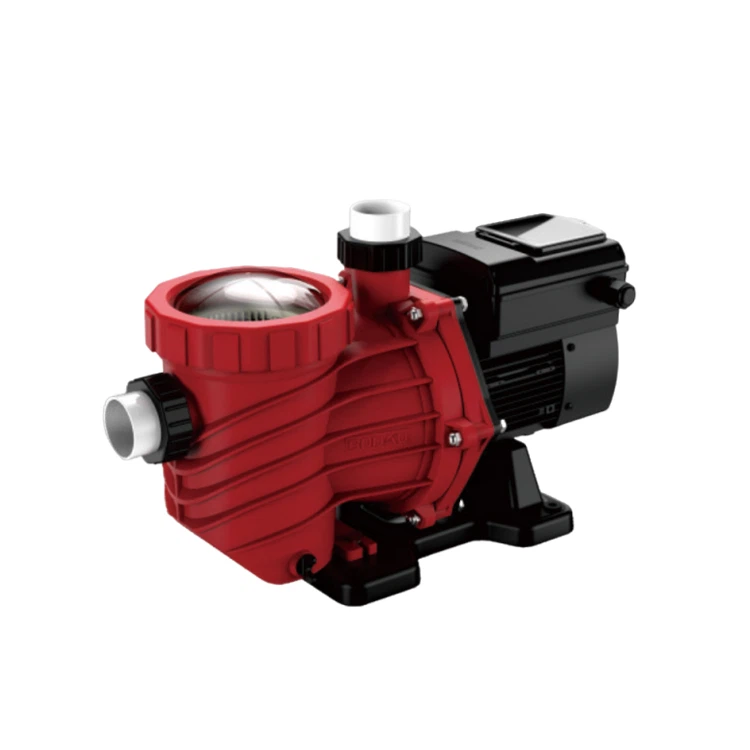
The pump consists of several key components. The motor is the heart of the pump, providing the power needed to move the water. The impeller, which is connected to the motor, spins rapidly and creates a centrifugal force. This force draws water into the pump through the suction port and then pushes it out through the discharge port and into the filtration system.
The two - speed feature allows the pump to operate at either a high speed or a low speed. The high - speed setting is typically used for tasks that require a large volume of water to be moved quickly, such as vacuuming the pool or backwashing the filter. The low - speed setting, on the other hand, is ideal for normal pool circulation and filtration. It uses less energy than the high - speed setting, which can result in significant cost savings over time.
How the Two - Speed Function Works
The two - speed functionality is achieved through a simple electrical switching mechanism. Most two - speed pumps have a switch or a control panel that allows the user to select between the high and low speeds.
In a typical two - speed pump, the motor has two sets of windings. One set of windings is designed for high - speed operation, while the other is for low - speed operation. When the user selects the high - speed setting, the electrical current is directed to the high - speed windings, causing the motor to spin at a faster rate. This results in a higher flow rate of water through the pump.
Conversely, when the low - speed setting is selected, the current is redirected to the low - speed windings. The motor then spins at a slower rate, reducing the flow rate of water. This slower flow rate is sufficient for normal filtration and circulation, but it consumes less electricity.
Benefits of a Two - Speed Swimming Pool Pump
One of the main advantages of a two - speed swimming pool pump is energy efficiency. As mentioned earlier, the low - speed setting uses less energy than the high - speed setting. By running the pump at a low speed for most of the time, pool owners can save a significant amount of money on their electricity bills.
Another benefit is the ability to customize the pump's operation based on the pool's needs. For example, during periods of heavy use or when there is a lot of debris in the pool, the high - speed setting can be used to quickly clean the water. On normal days, the low - speed setting can be used for routine filtration and circulation.
Two - speed pumps also tend to be quieter than single - speed pumps. The lower speed operation produces less noise, which can be a major advantage for pool owners who want to enjoy a peaceful environment around their pool.
Comparison with Other Types of Pool Pumps
There are several other types of pool pumps available on the market, such as AC Pool Pump, Variable Frequency Pool Pump, and Multifunctional Pool Pump. Each type has its own advantages and disadvantages.
Compared to single - speed pumps, two - speed pumps offer greater flexibility and energy savings. Single - speed pumps operate at a fixed speed, which means they consume the same amount of energy regardless of the pool's needs. This can lead to higher electricity costs over time.
Variable frequency pool pumps are even more energy - efficient than two - speed pumps. They can adjust their speed continuously based on the pool's requirements, which allows for even greater energy savings. However, they are also more expensive than two - speed pumps.
Multifunctional pool pumps often come with additional features, such as built - in heaters or UV sterilizers. While these pumps can offer a more comprehensive solution for pool maintenance, they may also be more complex and costly to install and maintain.
Maintenance and Troubleshooting
Proper maintenance is essential for ensuring the long - term performance of a two - speed swimming pool pump. Regularly cleaning the pump basket and the impeller can prevent debris from clogging the pump and reduce the risk of damage. It is also important to check the pump's seals and gaskets for leaks and replace them if necessary.
If the pump is not working properly, there are a few common troubleshooting steps that can be taken. First, check the power supply to make sure the pump is receiving electricity. Next, check the pump basket and impeller for any blockages. If the pump is making unusual noises or vibrating excessively, it may be a sign of a more serious problem, such as a worn - out motor or a damaged impeller. In such cases, it is recommended to contact a professional pool technician for further diagnosis and repair.

Conclusion
A two - speed swimming pool pump is a versatile and energy - efficient solution for maintaining a clean and healthy swimming pool. Its ability to operate at two different speeds allows for greater flexibility in pool maintenance and can result in significant cost savings over time.
If you are in the market for a new swimming pool pump, I encourage you to consider a two - speed pump. As a swimming pool pump supplier, I can offer a wide range of high - quality two - speed pumps to meet your specific needs. Whether you are a homeowner with a small backyard pool or a commercial pool operator, I can provide you with the right pump and the expert advice you need. Contact me today to start a discussion about your pool pump requirements and explore the best options for your pool.
References
- "Swimming Pool Pump Handbook", published by Pool Equipment Manufacturers Association
- "Energy - Efficient Pool Pump Solutions", an industry report by the National Renewable Energy Laboratory
- Various technical manuals and specifications from leading pool pump manufacturers