Hey there! I'm a supplier of pool pumps, and I often get asked about how to connect a pool pump to a solar pool heating system. It's a great way to heat your pool using the sun's energy, which is not only eco - friendly but can also save you some money in the long run. In this blog, I'll walk you through the process step by step.
Understanding the Basics
First off, let's understand what a solar pool heating system is. It's a setup that uses solar collectors to heat the water in your pool. The pool pump plays a crucial role here. It circulates the pool water through the solar collectors, where the water gets heated up before flowing back into the pool.

Components You'll Need
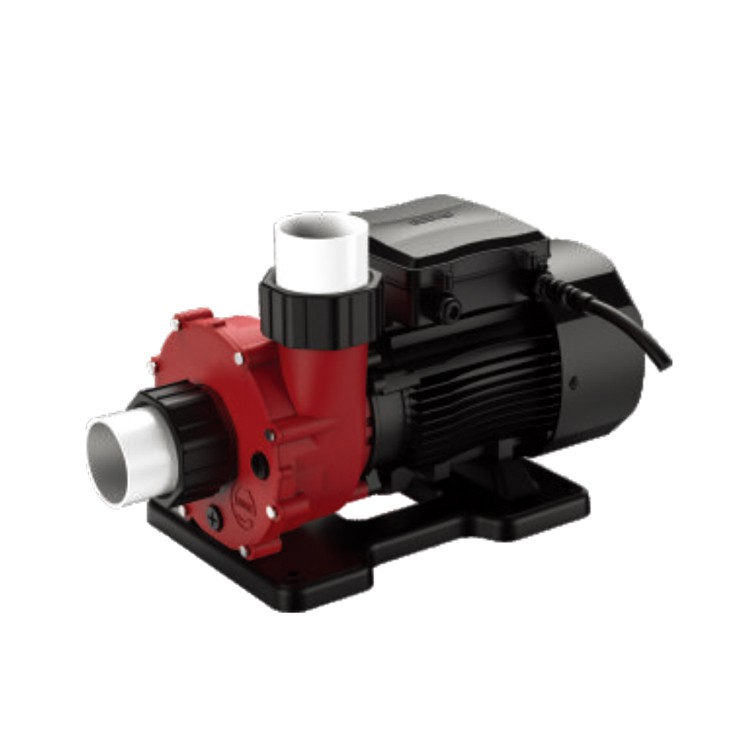
- Pool Pump: This is the heart of the system. As a pool pump supplier, I've got a wide range of pumps to suit different pool sizes and needs. For example, the Multifunctional SPA Pump is a great option for smaller pools or spas. It's powerful enough to circulate the water effectively through the solar collectors.
- Solar Collectors: These are usually installed on your roof or in an area that gets plenty of sunlight. They absorb the sun's heat and transfer it to the pool water.
- Filter: A good filter is essential to keep the water clean before it enters the solar collectors.
- Valves: You'll need valves to control the flow of water between the pool, pump, and solar collectors.
Step - by - Step Connection Process
Step 1: Choose the Right Location for the Pump
The pool pump should be placed close to the pool and the solar collectors. It needs to be on a flat, stable surface. Make sure there's enough space around it for maintenance. Also, keep it away from any sources of water that could splash on it and cause damage.
Step 2: Connect the Pump to the Pool
You'll have two main pipes coming from the pool - the suction pipe and the return pipe. Connect the suction pipe to the inlet of the pool pump. This pipe will draw water from the pool into the pump. Then, connect the return pipe to the outlet of the pump. This is where the water will flow back into the pool after it's been circulated through the system.
Step 3: Install the Filter
The filter should be installed between the pool and the pump on the suction side. This way, it can remove any debris or dirt from the water before it reaches the pump. Connect the filter to the suction pipe using appropriate connectors.
Step 4: Connect the Solar Collectors
Now, this is the key part. You'll need to connect the pump to the solar collectors. First, find the inlet and outlet ports on the solar collectors. Connect a pipe from the outlet of the pump to the inlet of the solar collectors. This will send the water from the pump into the collectors to be heated. Then, connect another pipe from the outlet of the solar collectors back to the return pipe that goes into the pool. This way, the heated water can flow back into the pool.
Step 5: Install the Valves
Install valves at strategic points in the system. For example, you can install a valve between the pump and the solar collectors. This valve allows you to control how much water flows through the collectors. You can also install a bypass valve. This valve lets you divert the water directly back to the pool without going through the solar collectors when you don't want to use the solar heating system, like on cloudy days.
Step 6: Prime the Pump
Before you start the pump, you need to prime it. This means filling the pump with water to remove any air. Most pumps have a priming port. Open the port and pour water into it until it's full. Then, close the port.
Step 7: Test the System
Once everything is connected, turn on the pump. Check for any leaks in the pipes, connections, and valves. Make sure the water is flowing through the solar collectors and back into the pool. You can also monitor the temperature of the water in the pool to see if the solar heating system is working effectively.
Troubleshooting Tips
- Low Water Flow: If you notice low water flow through the system, check the filter. It might be clogged. Clean or replace the filter if necessary. Also, check the valves to make sure they're fully open.
- Leaks: If there are leaks, first try tightening the connections. If that doesn't work, you might need to replace the gaskets or O - rings.
- Pump Not Starting: Check if the pump is getting power. Make sure the circuit breaker hasn't tripped. Also, check the impeller inside the pump. It might be blocked.
Other Types of Pumps for Different Applications
As a pool pump supplier, I offer a variety of pumps for different needs. For example, the WQK Cutting Sewage Pump is great for handling sewage and wastewater in some pool setups where there might be debris or solid particles. And the ISW Horizontal Pump is a reliable option for larger pool systems that require a high - flow rate.
Why Choose Our Pumps?
Our pumps are designed with high - quality materials and advanced technology. They're energy - efficient, which means you'll save on electricity bills. They're also durable and require less maintenance compared to some other pumps on the market.
If you're interested in purchasing a pool pump or have any questions about connecting a pool pump to a solar pool heating system, don't hesitate to reach out. We're here to help you make the best choice for your pool. Whether you're a homeowner with a small backyard pool or a commercial pool owner, we've got the right pump for you.
References
- Pool and Spa News Magazine
- Solar Heating Association Publications
- Manufacturer's manuals for pool pumps and solar collectors