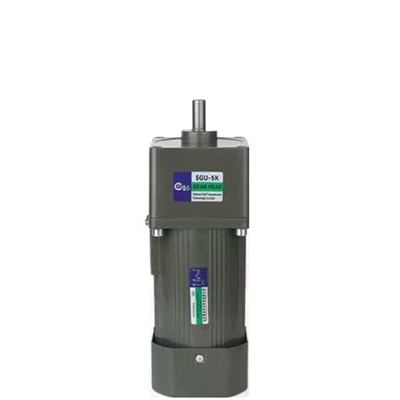
Hey there! As a supplier of swimming pool pumps, I know how important it is to ensure the safety of your pool pump installation. A safe installation not only protects you and your family but also ensures the longevity and efficiency of your pool pump. So, let's dive right in and talk about how you can make sure your pool pump is installed safely.
1. Choose the Right Pool Pump
First things first, you need to pick the right pool pump for your pool. We offer a variety of pumps, including DC Pool Pump, AC Pool Pump, and Multifunctional Pool Pump.
DC pool pumps are energy - efficient and can save you a lot of money on your electricity bills in the long run. They also tend to run quieter, which is a plus if your pool is close to your living area. AC pool pumps, on the other hand, are more traditional and are known for their reliability. Multifunctional pool pumps offer a range of features, like different speed settings and filtration modes, which can be really handy for maintaining your pool.


When choosing a pump, consider the size of your pool, the type of filtration system you have, and your budget. If you're not sure which one is right for you, don't hesitate to reach out to us. We've got a team of experts who can help you make the best choice.
2. Read the Manual
Once you've got your pool pump, the next step is to read the installation manual. I know, I know, reading manuals isn't the most exciting thing in the world, but it's crucial. The manual will give you detailed instructions on how to install the pump correctly, including information on electrical connections, plumbing, and safety precautions.
It'll also tell you about any specific requirements for your pump, like the type of wiring or the size of the pipes you need. Make sure you follow the instructions to the letter. Skipping a step or doing something wrong can not only void your warranty but also pose a safety risk.
3. Electrical Safety
Electrical safety is one of the most important aspects of pool pump installation. Pool pumps are electrical devices, and if not installed correctly, they can cause electric shocks or even start a fire.
- Hire a Professional Electrician: Unless you're a qualified electrician, it's best to hire someone to handle the electrical connections. A professional will know how to properly ground the pump, install the right circuit breaker, and ensure that all the wiring is up to code.
- Use the Right Wiring: Make sure you use wiring that's rated for outdoor use and can handle the electrical load of your pump. The manual will tell you the specific requirements for your pump.
- Keep the Area Dry: Pool pumps should be installed in a dry area. Water and electricity don't mix, so make sure there's no chance of water splashing onto the pump or the electrical connections. If you're installing the pump near the pool, consider using a weatherproof enclosure.
4. Plumbing Installation
Proper plumbing is also essential for a safe and efficient pool pump installation.
- Use the Right Pipes: Make sure you use pipes that are the right size and material for your pump. PVC pipes are a popular choice for pool plumbing because they're durable and resistant to corrosion.
- Check for Leaks: Once you've installed the pipes, check for leaks. A leaky pipe can not only waste water but also cause damage to the pump and other pool equipment. You can use a pressure test to check for leaks.
- Install a Strainer Basket: A strainer basket is an important part of the plumbing system. It catches debris and prevents it from entering the pump, which can cause damage. Make sure you clean the strainer basket regularly to keep the pump running smoothly.
5. Location, Location, Location
The location where you install your pool pump can also affect its safety and performance.
- Keep it Away from Flammable Materials: Make sure the pump is installed away from any flammable materials, like gasoline, oil, or dry leaves. A pump that overheats or malfunctions could potentially start a fire.
- Provide Adequate Ventilation: Pool pumps generate heat when they're running, so they need adequate ventilation. Don't install the pump in a closed space or a small enclosure without proper ventilation.
- Protect it from the Elements: If the pump is installed outdoors, make sure it's protected from the elements. You can use a pump cover or install it in a shed or a pump house.
6. Regular Maintenance
Once your pool pump is installed, regular maintenance is key to keeping it safe and running smoothly.
- Clean the Pump: Regularly clean the pump and the strainer basket to remove any debris or dirt. A dirty pump can overheat and cause damage.
- Check the Belts and Bearings: If your pump has belts and bearings, check them regularly for wear and tear. Replace them if necessary.
- Test the Pump: Periodically test the pump to make sure it's working properly. You can check the flow rate, pressure, and electrical connections.
7. Safety Features
Most modern pool pumps come with a variety of safety features. Make sure you understand how these features work and that they're functioning properly.
- Automatic Shut - off: Some pumps have an automatic shut - off feature that turns off the pump if it overheats or if there's a problem with the electrical system.
- Ground Fault Circuit Interrupter (GFCI): A GFCI is a device that protects against electric shocks. It automatically shuts off the power if it detects a ground fault. Make sure your pump is connected to a GFCI - protected outlet.
Conclusion
Ensuring the safety of your swimming pool pump installation is a multi - step process that involves choosing the right pump, following the manual, taking electrical and plumbing precautions, and performing regular maintenance. By following these tips, you can enjoy a safe and efficient pool pump for years to come.
If you're in the market for a new pool pump or need help with installation or maintenance, we're here to help. We've got a wide range of high - quality pool pumps, and our team of experts can answer all your questions. Don't hesitate to reach out to us for more information or to start a procurement discussion.
References
- Various pool pump manufacturer manuals
- National Electrical Code for pool electrical installations
- Pool and Spa Association guidelines for pool equipment installation