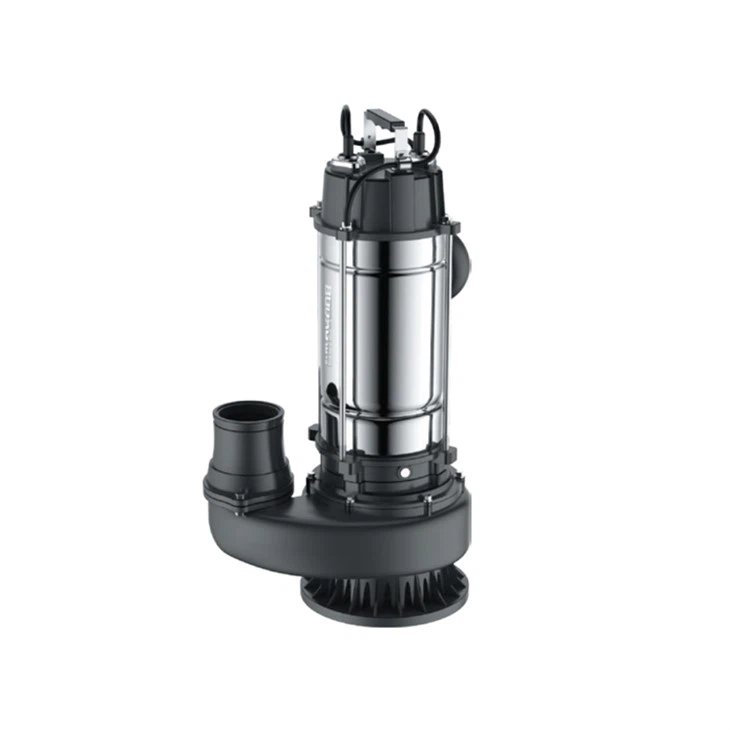
As a supplier of QD Submersible Pumps, I often receive inquiries from customers about how to control the flow rate of these pumps. Controlling the flow rate is crucial in many applications, as it ensures that the pump operates efficiently and meets the specific requirements of the system. In this blog post, I will share some effective methods to control the flow rate of QD Submersible Pumps.
Understanding the Basics of QD Submersible Pumps
Before diving into the flow rate control methods, let's briefly understand the QD Submersible Pump. The QD Submersible Pump is a type of clean - water submersible pump designed for various applications, such as domestic water supply, garden irrigation, and small - scale industrial water transfer. It is known for its reliability, efficiency, and ease of installation.
The flow rate of a submersible pump refers to the volume of water that the pump can move per unit of time, usually measured in liters per minute (L/min) or cubic meters per hour (m³/h). Several factors can affect the flow rate of a QD Submersible Pump, including the pump's power, impeller design, head pressure, and the diameter of the discharge pipe.
Methods to Control the Flow Rate
1. Throttle Valves
One of the simplest and most common methods to control the flow rate of a QD Submersible Pump is by using a throttle valve. A throttle valve is installed on the discharge pipe of the pump. By adjusting the opening of the valve, you can restrict or increase the flow of water through the pipe.
When the valve is fully open, the pump can operate at its maximum flow rate. As you gradually close the valve, the resistance in the pipe increases, which reduces the flow rate. However, it's important to note that using a throttle valve to reduce the flow rate also increases the pump's head pressure. This can lead to increased energy consumption and may put additional stress on the pump components if not properly managed.
2. Variable Frequency Drives (VFDs)
Variable Frequency Drives are a more advanced and efficient way to control the flow rate of a QD Submersible Pump. A VFD works by adjusting the frequency of the electrical power supplied to the pump motor. By changing the frequency, the speed of the motor can be varied, which in turn changes the pump's flow rate.
When the demand for water is low, the VFD can reduce the motor speed, resulting in a lower flow rate. Conversely, when more water is required, the VFD can increase the motor speed to boost the flow rate. This method is highly energy - efficient because the pump only consumes the amount of power needed to meet the actual demand. Additionally, VFDs can help extend the lifespan of the pump by reducing wear and tear on the motor and other components.
3. Impeller Trimming
Impeller trimming is a permanent modification that can be made to the pump to adjust its flow rate. The impeller is the rotating part of the pump that creates the centrifugal force to move the water. By reducing the diameter of the impeller, the pump's flow rate and head pressure can be decreased.
This method is typically used when the pump is initially oversized for the application. However, impeller trimming should be done carefully, as it requires specialized tools and knowledge. Incorrect trimming can lead to reduced pump efficiency and performance.
4. Parallel and Series Pump Configurations
In some cases, you can control the flow rate by using multiple QD Submersible Pumps in parallel or series configurations.

- Parallel Configuration: When pumps are connected in parallel, the flow rate is increased while the head pressure remains the same. This configuration is useful when you need a higher flow rate but the head pressure requirements are relatively low. For example, in a large - scale irrigation system, multiple pumps in parallel can provide the necessary volume of water.
- Series Configuration: Connecting pumps in series increases the head pressure while the flow rate remains approximately the same. This is suitable for applications where a high head pressure is required, such as pumping water to a high - rise building.
Considerations When Controlling the Flow Rate
When implementing any of the above methods to control the flow rate of a QD Submersible Pump, there are several important considerations:
1. Pump Efficiency
Each method of flow rate control can have an impact on the pump's efficiency. For example, using a throttle valve to reduce the flow rate can lead to energy losses due to increased head pressure. On the other hand, VFDs are generally more energy - efficient as they adjust the pump's speed according to the demand. It's important to choose a control method that minimizes energy consumption while maintaining the required flow rate.
2. System Requirements
The specific requirements of your system, such as the desired flow rate, head pressure, and the nature of the fluid being pumped, should be taken into account. For example, if you are pumping a viscous fluid, the pump's performance may be different compared to pumping clean water. In such cases, the control method may need to be adjusted accordingly.
3. Pump Compatibility
Before implementing any flow rate control method, make sure that it is compatible with your QD Submersible Pump. Some pumps may not be suitable for certain control methods, such as impeller trimming. Consult the pump's manufacturer or a professional engineer if you are unsure.
Comparison with Other Submersible Pumps
It's also worth comparing the QD Submersible Pump with other types of submersible pumps, such as the QY Submersible Pump and the QDX Submersible Pump.
The QY Submersible Pump is designed for similar applications as the QD pump but may have different performance characteristics. It may be more suitable for applications with higher head pressure requirements. The QDX Submersible Pump, on the other hand, is often used in situations where a smaller and more compact pump is needed.
When choosing a pump and a flow rate control method, it's important to consider the specific features and advantages of each type of pump to ensure that you select the most appropriate solution for your needs.
Conclusion
Controlling the flow rate of a QD Submersible Pump is essential for ensuring efficient and effective operation in various applications. Whether you choose to use a throttle valve, a VFD, impeller trimming, or a pump configuration, it's important to consider the specific requirements of your system, the pump's efficiency, and compatibility.
If you are interested in learning more about QD Submersible Pumps or need assistance in choosing the right flow rate control method for your application, please feel free to contact us. We are a leading supplier of QD Submersible Pumps and can provide you with professional advice and high - quality products.
References
- Pump Handbook, 4th Edition, Karassik, I. J., Messina, J. P., Cooper, P. W., & Heald, C. C.
- Hydraulic Engineering, Chow, V. T.