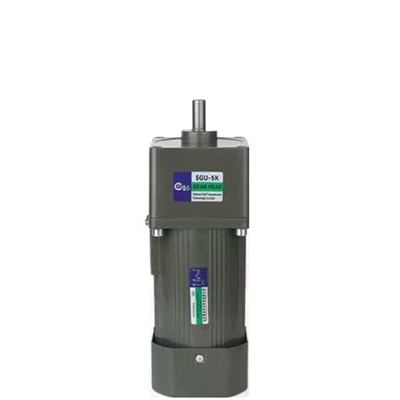
Hey there! As a supplier of ISW Vertical Pumps, I often get asked whether these pumps need a special foundation for installation. Well, let's dive right into it and figure out what's what.
First off, let me give you a bit of background on the ISW Vertical Pump. It's a pretty nifty piece of equipment. This pump is designed to handle a variety of fluids in industrial applications. It's known for its efficiency, reliability, and compact design. You can find these pumps being used in water supply systems, HVAC systems, and even in some chemical processing plants.
Now, back to the main question: does it need a special foundation? The answer isn't a simple yes or no. It depends on a few factors.
Factors Affecting the Need for a Special Foundation
1. Pump Size and Weight
One of the most obvious factors is the size and weight of the pump. Larger and heavier pumps tend to require more stable support. If you've got a big Industrial Vertical Pipeline Pump, which is similar in some ways to the ISW Vertical Pump but might be larger in scale, it's going to put more stress on the ground beneath it. A standard floor might not be able to handle that kind of load without some reinforcement.
For example, if the pump is going to be installed in a high - rise building's basement for water circulation, and it's a large - capacity ISW Vertical Pump, you'll need to make sure the foundation can support the weight and the vibrations that come with its operation.
2. Operating Conditions
The way the pump operates also matters. If the pump is going to be running at high speeds or with high pressure, it can generate significant vibrations. These vibrations can cause problems if the pump isn't properly supported. A special foundation can help dampen these vibrations and prevent them from spreading to the surrounding structure.
Imagine a scenario where the pump is part of a continuous - flow industrial process. The constant operation at high speeds can create a lot of wear and tear on the pump and the foundation. Without a proper foundation, the vibrations can lead to misalignment of the pump components over time, which can reduce the pump's efficiency and even cause premature failure.
3. Location
Where the pump is being installed plays a crucial role. If it's being placed on a soft or uneven surface, like soil that hasn't been properly compacted, a special foundation is a must. On the other hand, if it's going on a well - constructed concrete floor in a factory, the requirements might be different.
For instance, if you're installing an ISW Vertical Pump near a riverbank where the ground is likely to be soft and prone to shifting, you'll need to build a foundation that can withstand the changing ground conditions.
Types of Foundations for ISW Vertical Pumps
1. Concrete Pad Foundation
This is one of the most common types of foundations for pumps. A concrete pad provides a stable and level surface for the pump to sit on. It can be customized in terms of thickness and size depending on the pump's requirements.
To build a concrete pad foundation, you first need to prepare the ground. This involves excavating the area to the right depth and compacting the soil. Then, you pour the concrete and let it cure. Reinforcing steel bars can be added to the concrete to increase its strength, especially for larger pumps.


2. Steel Frame Foundation
In some cases, a steel frame foundation might be used. This type of foundation is more flexible and can be easier to install in certain situations. It can also be adjusted more easily if the pump needs to be re - positioned or if there are changes in the operating conditions.
A steel frame foundation consists of a framework of steel beams and columns that support the pump. It can be designed to absorb vibrations and provide a stable base. However, it's important to make sure the steel is properly protected against corrosion, especially in environments where there's a lot of moisture or chemicals.
When a Special Foundation Might Not Be Necessary
There are situations where a special foundation might not be required. If you're installing a small - sized Vertical Pipeline Pump or an ISW Vertical Pump in a low - vibration, low - stress environment, a standard floor might be sufficient.
For example, if the pump is being used in a small residential water supply system and is operating at low speeds, and the floor is a well - constructed concrete slab, you might not need to go through the hassle of building a special foundation. But it's still a good idea to check the manufacturer's recommendations and do a quick assessment of the site conditions.
Making the Right Decision
So, how do you decide whether your ISW Vertical Pump needs a special foundation? Here are some steps you can take:
- Consult the Manufacturer: The manufacturer of the pump usually provides guidelines on the foundation requirements. They know the pump's specifications and can give you accurate information on what kind of support it needs.
- Conduct a Site Assessment: Have a professional evaluate the installation site. They can check the ground conditions, the available space, and the surrounding environment. This will help you determine if a special foundation is necessary.
- Consider the Long - Term: Think about the future. If there's a possibility that you might upgrade the pump or change the operating conditions, it's better to build a more robust foundation from the start.
In conclusion, while not all ISW Vertical Pumps require a special foundation, it's important to carefully consider the factors involved. Whether it's the size of the pump, the operating conditions, or the location, each aspect plays a role in determining the best way to support your pump.
If you're in the market for an ISW Vertical Pump or have any questions about its installation, feel free to reach out. We're here to help you make the right decision and ensure that your pump operates smoothly for years to come.
References
- Pump Installation and Maintenance Manuals
- Engineering Guidelines for Industrial Pump Installations
- Industry Standards for Pump Foundations