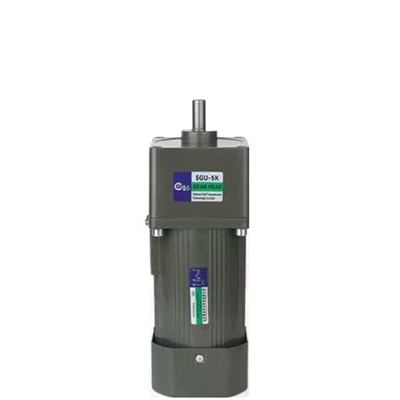
In the realm of industrial motors, inverter duty motors have emerged as a cornerstone of modern automation and precision control systems. As a leading supplier of [Inverter Duty Motor], I often encounter inquiries regarding the static accuracy of these remarkable machines. In this blog post, I aim to shed light on what static accuracy means in the context of inverter duty motors, its significance, and how it impacts various applications.
Understanding Inverter Duty Motors
Before delving into static accuracy, it's essential to understand what inverter duty motors are and how they differ from standard motors. Inverter duty motors are designed to operate with variable frequency drives (VFDs), which allow for precise control of motor speed and torque. Unlike conventional motors that run at a fixed speed, inverter duty motors can adjust their speed according to the requirements of the application, making them highly versatile and energy - efficient.
These motors are built to withstand the electrical stresses associated with VFD operation, such as high - frequency voltage spikes and harmonic distortion. They typically feature enhanced insulation systems, improved cooling mechanisms, and optimized winding designs to ensure reliable performance over a wide range of operating conditions.

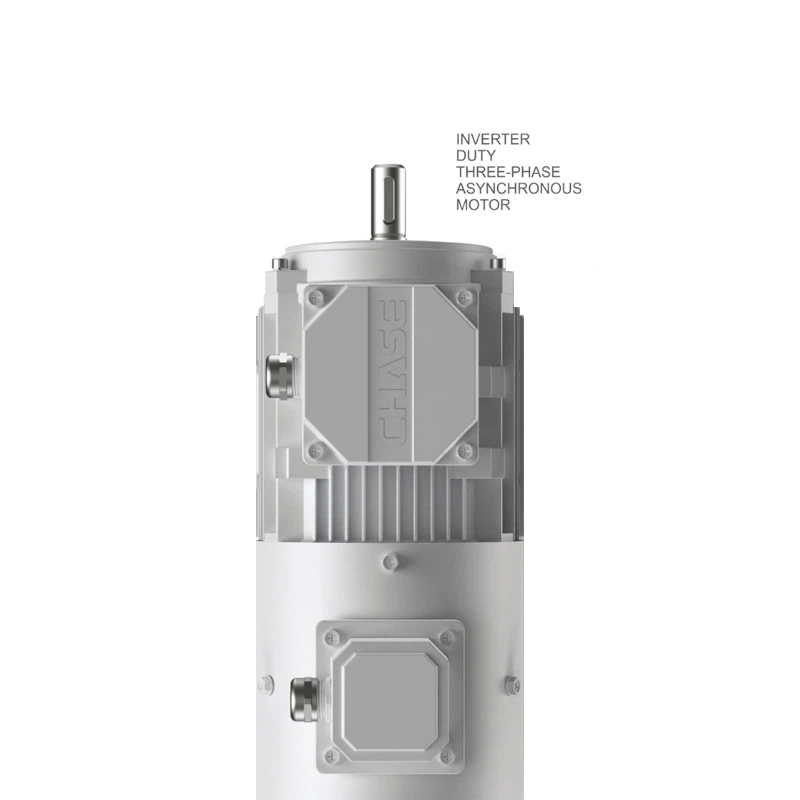
Defining Static Accuracy
Static accuracy refers to the ability of an inverter duty motor to maintain a specific position or speed with a high degree of precision when there is no dynamic load or movement. In other words, it measures how closely the motor can achieve and hold a desired setpoint under steady - state conditions.
There are two main aspects of static accuracy in inverter duty motors: speed accuracy and position accuracy.
Speed Accuracy
Speed accuracy is the measure of how closely the actual speed of the motor matches the commanded speed. It is usually expressed as a percentage of the rated speed. For example, if a motor has a speed accuracy of ±0.1% at a rated speed of 1500 RPM, it means that the actual speed of the motor will be within the range of 1498.5 RPM to 1501.5 RPM when the commanded speed is 1500 RPM.
Several factors can affect speed accuracy, including the quality of the VFD, the motor's design and construction, and the presence of external disturbances such as load variations or electrical noise. High - quality VFDs with advanced control algorithms can significantly improve speed accuracy by continuously adjusting the motor's input voltage and frequency to compensate for any deviations from the setpoint.
Position Accuracy
Position accuracy is crucial in applications where the motor needs to move to and hold a specific position, such as in robotics, CNC machines, and automated assembly lines. It is defined as the difference between the commanded position and the actual position of the motor's shaft.
Position accuracy is typically measured in degrees or linear units, depending on the type of application. For example, in a rotary application, position accuracy might be specified as ±0.1 degrees, meaning that the motor's shaft can deviate from the commanded position by no more than 0.1 degrees.
To achieve high position accuracy, inverter duty motors often work in conjunction with feedback devices such as encoders or resolvers. These devices provide real - time information about the motor's position to the VFD, which can then adjust the motor's operation to correct any position errors.
Significance of Static Accuracy
The static accuracy of an inverter duty motor is of utmost importance in many industrial applications. Here are some key reasons why:
Precision Manufacturing
In industries such as aerospace, automotive, and electronics manufacturing, precision is everything. Inverter duty motors with high static accuracy are essential for operating CNC machines, robotic arms, and other automated equipment that require precise control of speed and position. Even a small deviation from the desired setpoint can result in defective products, leading to increased production costs and reduced quality.
Energy Efficiency
Accurate speed control allows inverter duty motors to operate at the optimal speed for a given load, which can significantly reduce energy consumption. When a motor runs at a constant speed regardless of the load requirements, it often consumes more energy than necessary. By adjusting the speed based on the actual load, high - accuracy inverter duty motors can save energy and lower operating costs.
Process Automation
In automated processes, such as conveyor systems, packaging machines, and material handling equipment, static accuracy ensures smooth and reliable operation. Motors with poor static accuracy may cause jitter, inconsistent movement, or even system failures, which can disrupt the entire production process and lead to downtime.
Factors Affecting Static Accuracy
Several factors can influence the static accuracy of an inverter duty motor. Understanding these factors can help in selecting the right motor and VFD combination for a specific application and implementing appropriate measures to improve accuracy.
Motor Design
The design of the motor plays a crucial role in determining its static accuracy. Motors with high - quality bearings, low - friction components, and well - balanced rotors tend to have better accuracy. Additionally, the winding design and the number of poles can affect the motor's torque characteristics and speed control capabilities.
VFD Performance
The performance of the VFD is another critical factor. A high - quality VFD with advanced control algorithms, such as vector control or direct torque control, can provide more precise control of the motor's speed and torque. These algorithms can compensate for load variations, electrical disturbances, and other factors that may affect accuracy.
Feedback Devices
As mentioned earlier, feedback devices such as encoders and resolvers are essential for achieving high position accuracy. The accuracy and resolution of these devices directly impact the motor's ability to maintain a specific position. Higher - resolution encoders can provide more detailed information about the motor's position, allowing for more precise control.
Environmental Conditions
Environmental factors such as temperature, humidity, and vibration can also affect the static accuracy of an inverter duty motor. Extreme temperatures can cause changes in the motor's electrical and mechanical properties, while vibration can introduce errors in the feedback signals. Therefore, it is important to consider these factors when installing and operating the motor.
Our Inverter Duty Motors and Static Accuracy
At our company, we specialize in providing high - quality [Inverter Duty Motor] that offer exceptional static accuracy. Our motors are designed and manufactured using the latest technology and highest quality materials to ensure reliable performance and precise control.
We offer a wide range of inverter duty motors, including Cast Iron Three Phase Motor and Aluminium Electric Motor. These motors are suitable for a variety of applications, from small - scale automation to large - scale industrial processes.
Our motors are equipped with advanced VFDs that feature state - of - the - art control algorithms, ensuring precise speed and torque control. We also offer a range of feedback devices to meet the specific accuracy requirements of different applications.
Contact Us for Procurement
If you are in the market for high - accuracy inverter duty motors, we invite you to contact us for procurement discussions. Our team of experts can help you select the right motor and VFD combination for your specific application, taking into account factors such as static accuracy, load requirements, and environmental conditions.
Whether you are looking to upgrade your existing equipment or implement a new automation system, our Inverter Duty Motor can provide the precision and reliability you need.
References
- “Electric Motors and Drives: Fundamentals, Types, and Applications” by Austin Hughes and Bill Drury.
- “Variable Frequency Drives: Selection, Application, and Troubleshooting” by Joseph D. Hendershot Jr. and Thomas Miller.
- Technical documentation from leading motor and VFD manufacturers.