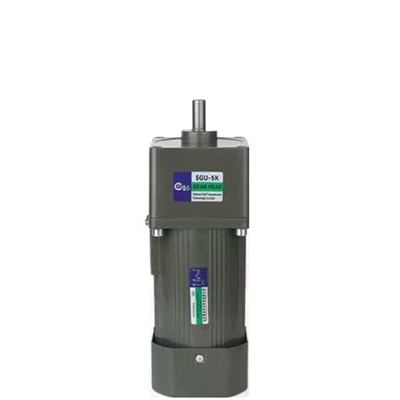
Hey there! As a supplier of Inverter Duty Motors, I'm super excited to dig deep into the magnetic circuit design of these motors with you. Inverter Duty Motors are a big deal in the industry, and understanding their magnetic circuit design is key to getting the most out of them.
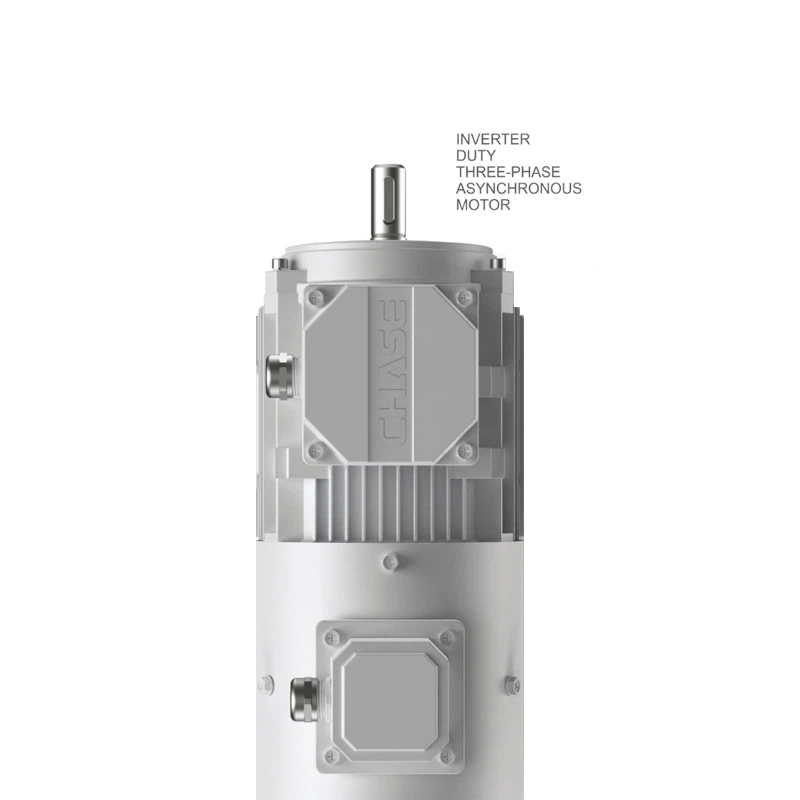
First off, let's talk about what an Inverter Duty Motor is. These motors are designed to work with variable frequency drives (VFDs). VFDs are used to control the speed of the motor by changing the frequency of the electrical power supplied to it. Inverter Duty Motors are built to handle the unique electrical and thermal stresses that come with operating under variable frequency conditions. You can check out more about them here.
Now, let's get into the magnetic circuit design. The magnetic circuit in an Inverter Duty Motor is like the engine of a car - it's what makes the whole thing run. The basic idea behind the magnetic circuit is to create a magnetic field that interacts with the electrical current in the motor's windings to produce mechanical motion.
The main components of the magnetic circuit in an Inverter Duty Motor include the stator, the rotor, and the air gap between them. The stator is the stationary part of the motor, and it contains the windings where the electrical current flows. The rotor is the rotating part of the motor, and it's usually made of a ferromagnetic material like iron. The air gap is the space between the stator and the rotor, and it plays a crucial role in the magnetic circuit.
One of the key considerations in the magnetic circuit design of an Inverter Duty Motor is the magnetic flux density. The magnetic flux density is a measure of the strength of the magnetic field in a given area. In an Inverter Duty Motor, the magnetic flux density needs to be carefully controlled to ensure efficient operation. If the magnetic flux density is too high, it can cause excessive heating in the motor, which can lead to premature failure. On the other hand, if the magnetic flux density is too low, the motor may not produce enough torque to perform its intended function.

Another important factor in the magnetic circuit design is the shape and size of the stator and rotor. The shape and size of these components can have a significant impact on the magnetic field distribution in the motor. For example, a motor with a larger air gap may have a lower magnetic flux density, but it may also be more resistant to mechanical vibrations. Conversely, a motor with a smaller air gap may have a higher magnetic flux density, but it may be more sensitive to manufacturing tolerances.
In addition to the stator and rotor, the magnetic circuit design also takes into account the type of winding used in the motor. There are different types of windings, such as single-layer windings and double-layer windings. Each type of winding has its own advantages and disadvantages in terms of magnetic field distribution, electrical efficiency, and manufacturing complexity.
When it comes to the magnetic circuit design of an Inverter Duty Motor, it's also important to consider the effects of the inverter. The inverter can introduce harmonics and other electrical disturbances into the motor's power supply, which can affect the magnetic field in the motor. To mitigate these effects, the magnetic circuit design may include features such as shielding and filtering to reduce the impact of the inverter on the motor's performance.
Now, let's talk about some of the benefits of a well-designed magnetic circuit in an Inverter Duty Motor. A properly designed magnetic circuit can improve the motor's efficiency, reduce its energy consumption, and increase its reliability. For example, by optimizing the magnetic flux density and the magnetic field distribution, the motor can convert electrical energy into mechanical energy more effectively, which means less wasted energy and lower operating costs.
Moreover, a well-designed magnetic circuit can also reduce the noise and vibration levels of the motor. This is especially important in applications where noise and vibration can be a nuisance or a safety hazard. By minimizing the magnetic forces that cause noise and vibration, the motor can operate more quietly and smoothly.
If you're in the market for an Inverter Duty Motor, you might also be interested in our IE4 Electric Motor and Aluminium Electric Motor. These motors also feature advanced magnetic circuit designs that offer excellent performance and energy efficiency.
In conclusion, the magnetic circuit design of an Inverter Duty Motor is a complex but crucial aspect of its performance. By understanding the key components and considerations in the magnetic circuit design, you can make an informed decision when choosing an Inverter Duty Motor for your application. Whether you're looking for a motor for industrial, commercial, or residential use, we've got the expertise and the products to meet your needs.
If you have any questions or if you're interested in discussing your specific requirements, don't hesitate to reach out. We're here to help you find the perfect Inverter Duty Motor for your project. Let's start a conversation and see how we can work together to achieve your goals.
References
- Electric Machinery Fundamentals by Stephen J. Chapman
- Handbook of Electric Motors by Irving L. Kosow