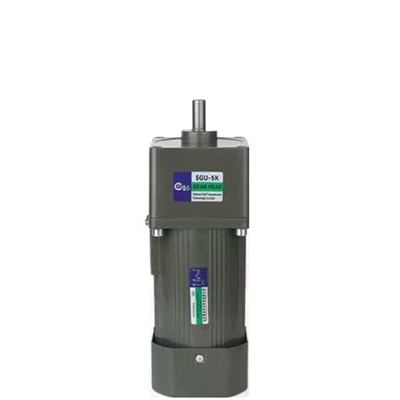
As a supplier of vortex blowers, I've witnessed firsthand the intricate relationship between air density and the performance of these remarkable machines. Vortex blowers are widely used in various industries, from wastewater treatment to pneumatic conveying, due to their high-pressure capabilities and compact design. However, their performance can be significantly influenced by the density of the air they handle. In this blog post, I'll delve into the effects of air density on a vortex blower's performance and explain why understanding this relationship is crucial for optimizing their operation.
Understanding Air Density
Air density is defined as the mass of air per unit volume. It is influenced by several factors, including temperature, pressure, and humidity. As temperature increases, air density decreases because the air molecules move more rapidly and spread out. Conversely, as pressure increases, air density increases because the air molecules are compressed closer together. Humidity also affects air density, as water vapor is less dense than dry air. Therefore, moist air is less dense than dry air at the same temperature and pressure.


The Impact of Air Density on Vortex Blower Performance
The performance of a vortex blower is primarily characterized by its pressure and flow rate capabilities. These parameters are directly affected by the density of the air being handled. Let's explore how air density impacts each of these performance metrics:
Pressure Generation
Vortex blowers generate pressure by imparting kinetic energy to the air molecules through the rotation of an impeller. The pressure generated is proportional to the density of the air. When the air density is high, the impeller can transfer more energy to the air molecules, resulting in a higher pressure rise across the blower. Conversely, when the air density is low, the impeller has less mass to work with, and the pressure rise is reduced.
For example, consider a High Pressure Vortex Blower operating at sea level, where the air density is relatively high. The blower can achieve its rated pressure and flow rate because the impeller can efficiently transfer energy to the dense air. However, if the same blower is operated at a high altitude, where the air density is lower, the pressure rise will be reduced, and the blower may not be able to achieve its rated performance.
Flow Rate
The flow rate of a vortex blower is the volume of air it can move per unit time. It is also affected by air density. According to the ideal gas law, the volume of a gas is inversely proportional to its density at a constant temperature and pressure. Therefore, when the air density is low, the same mass of air occupies a larger volume, resulting in a higher flow rate for the same blower speed.
However, it's important to note that the power consumption of the blower also increases with the flow rate. As the air density decreases, the blower has to work harder to move the larger volume of air, which can lead to increased energy consumption and reduced efficiency.
Factors Affecting Air Density in Vortex Blower Applications
In real-world applications, several factors can affect the air density and, consequently, the performance of a vortex blower. These factors include:
Altitude
As mentioned earlier, altitude has a significant impact on air density. As the altitude increases, the atmospheric pressure decreases, resulting in lower air density. For every 1,000 feet increase in altitude, the air density decreases by approximately 3%. Therefore, when selecting a vortex blower for a high-altitude application, it's important to consider the reduced air density and choose a blower with a higher pressure and flow rate rating to compensate for the loss in performance.
Temperature
Temperature also affects air density. As the temperature increases, the air density decreases. In hot climates or applications where the air is preheated, the reduced air density can lead to a decrease in the blower's pressure and flow rate. To mitigate this effect, it may be necessary to select a blower with a higher capacity or to use a cooling system to maintain the air temperature within an acceptable range.
Humidity
Humidity can also affect air density. Moist air is less dense than dry air at the same temperature and pressure. In applications where the air is humid, the reduced air density can result in a decrease in the blower's performance. However, the effect of humidity on air density is relatively small compared to the effects of altitude and temperature.
Optimizing Vortex Blower Performance in Varying Air Density Conditions
To ensure optimal performance of a vortex blower in varying air density conditions, several strategies can be employed:
Blower Selection
When selecting a vortex blower, it's important to consider the specific operating conditions, including altitude, temperature, and humidity. Choose a blower with a higher pressure and flow rate rating than the actual requirements to account for the potential loss in performance due to reduced air density.
Speed Control
Many modern vortex blowers are equipped with variable speed drives (VSDs), which allow the blower speed to be adjusted according to the operating conditions. By increasing the blower speed, the pressure and flow rate can be increased to compensate for the reduced air density. However, it's important to ensure that the blower is not operated beyond its maximum speed rating, as this can lead to premature wear and failure.
Air Cooling
In applications where the air temperature is high, using an air cooling system can help maintain the air density within an acceptable range. This can improve the blower's performance and efficiency and reduce the risk of overheating.
Conclusion
In conclusion, air density plays a crucial role in the performance of a vortex blower. Understanding the relationship between air density and blower performance is essential for selecting the right blower for a specific application and optimizing its operation. By considering the factors that affect air density, such as altitude, temperature, and humidity, and implementing appropriate strategies to mitigate their effects, you can ensure that your vortex blower operates efficiently and reliably.
If you're in the market for a Single Phase Vortex Blower or a high-pressure vortex blower, I encourage you to contact us to discuss your specific requirements. Our team of experts can help you select the right blower for your application and provide you with the support you need to ensure its optimal performance.
References
- Perry, R. H., & Green, D. W. (1997). Perry's Chemical Engineers' Handbook (7th ed.). McGraw-Hill.
- ASHRAE Handbook: Fundamentals (2017). American Society of Heating, Refrigerating and Air-Conditioning Engineers.