When it comes to maintaining a small swimming pool, choosing the right pool pump is crucial. A good pool pump ensures proper water circulation, filtration, and chemical distribution, which are essential for keeping the water clean, clear, and safe for swimming. As a swimming pool pump supplier, I've had the opportunity to work with various types of pumps and understand the unique needs of small pool owners. In this blog post, I'll share some insights on what makes the best swimming pool pump for a small pool and recommend some options that might suit your requirements.

Understanding the Basics of Pool Pumps
Before diving into the best pumps for small pools, it's important to understand how pool pumps work and the key factors to consider when making a selection. A pool pump is the heart of your pool's circulation system. It draws water from the pool through the skimmer and main drain, pushes it through the filter to remove debris and contaminants, and then returns the clean water back to the pool.
There are several types of pool pumps available on the market, each with its own set of features and benefits. The most common types include single-speed pumps, two-speed pumps, and variable frequency pumps.
- Single-Speed Pumps: These are the most basic and affordable type of pool pumps. They operate at a fixed speed, usually at a high rate, which means they consume a lot of energy. However, they are simple to install and maintain, making them a popular choice for small pools.
- Two-Speed Pumps: As the name suggests, two-speed pumps have two operating speeds: high and low. The high speed is used for tasks like vacuuming the pool or backwashing the filter, while the low speed is ideal for regular circulation. Two-speed pumps are more energy-efficient than single-speed pumps, but they are also more expensive.
- Variable Frequency Pumps: These are the most advanced and energy-efficient type of pool pumps. They can adjust their speed according to the pool's needs, which means they consume less energy and can save you money on your electricity bills in the long run. However, they are also the most expensive type of pool pump.
Factors to Consider When Choosing a Pool Pump for a Small Pool
When choosing a pool pump for a small pool, there are several factors to consider, including the pool size, pump flow rate, head pressure, energy efficiency, and noise level.
- Pool Size: The size of your pool is one of the most important factors to consider when choosing a pool pump. A pump that is too small will not be able to circulate the water effectively, while a pump that is too large will consume more energy than necessary. As a general rule of thumb, you should choose a pump that can circulate the entire volume of your pool in 6 to 8 hours.
- Pump Flow Rate: The flow rate of a pump is the amount of water it can move in a given amount of time, usually measured in gallons per minute (GPM). The flow rate you need depends on the size of your pool and the type of filter you have. A higher flow rate is generally better for larger pools and more powerful filters.
- Head Pressure: Head pressure is the resistance that the pump has to overcome to push the water through the pool's plumbing system. It is affected by factors such as the length and diameter of the pipes, the number of turns and fittings, and the height of the pool above the pump. A pump with a higher head pressure rating is needed for pools with longer or more complex plumbing systems.
- Energy Efficiency: Energy efficiency is an important consideration when choosing a pool pump, especially if you plan to run it for long periods of time. Look for pumps that are Energy Star certified, which means they meet strict energy efficiency guidelines set by the U.S. Environmental Protection Agency.
- Noise Level: If your pool is located near your home or other living areas, you may want to choose a pump that operates quietly. Look for pumps that have a low decibel rating or come with noise-reducing features.
Best Swimming Pool Pumps for Small Pools
Based on the factors mentioned above, here are some of the best swimming pool pumps for small pools:
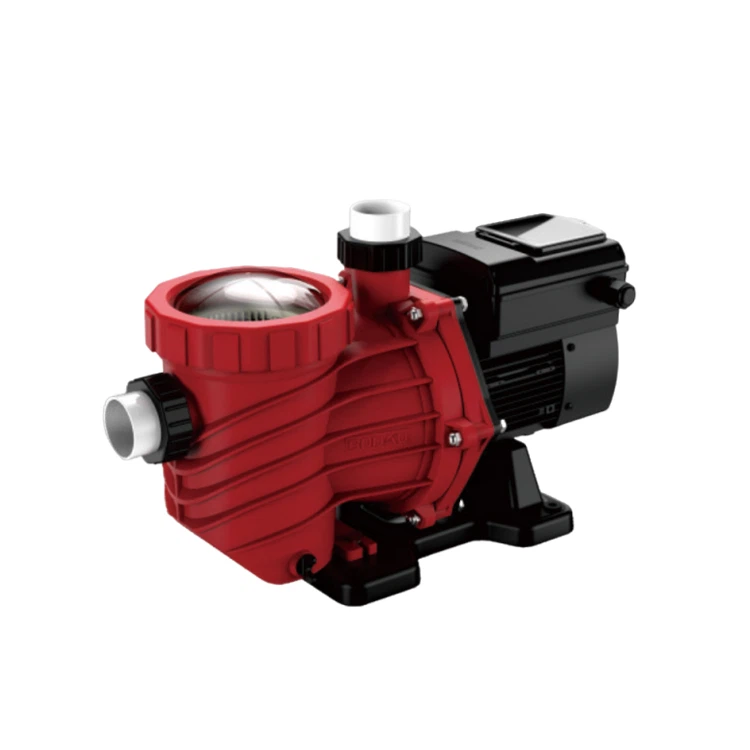
- Large Flow Pool Pump: This type of pump is designed to provide a high flow rate, which is ideal for small pools that need to circulate a large volume of water quickly. It is also energy-efficient and operates quietly, making it a great choice for residential pools.
- Circulating Pool Pump: A circulating pool pump is designed to keep the water in your pool moving, which helps to prevent the growth of algae and bacteria. It is a low-cost and energy-efficient option for small pools.
- Variable Frequency Pool Pump: As mentioned earlier, variable frequency pumps are the most energy-efficient type of pool pump. They can adjust their speed according to the pool's needs, which means they consume less energy and can save you money on your electricity bills in the long run. They are also very quiet and can be programmed to run at different times of the day.
Conclusion
Choosing the right swimming pool pump for your small pool is an important decision that can have a big impact on the performance and efficiency of your pool. By considering factors such as the pool size, pump flow rate, head pressure, energy efficiency, and noise level, you can select a pump that meets your needs and budget. As a swimming pool pump supplier, I'm here to help you make the right choice. If you have any questions or need further information, please don't hesitate to contact me. We're more than happy to assist you in finding the perfect pool pump for your small pool and guide you through the procurement process.
References
- "Pool Pump Buying Guide." Pool and Spa News.
- "How to Choose the Right Pool Pump." In The Swim.