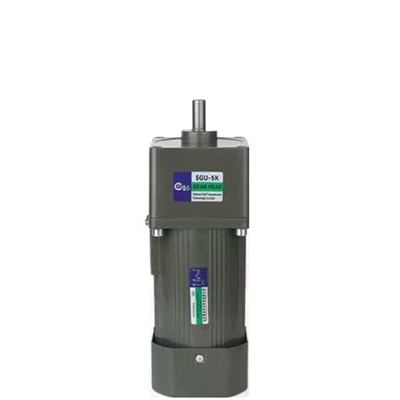
Hey there! As a supplier of IE2 Electric Motors, I often get asked about the starting current requirements of these motors. So, I thought I'd put together this blog post to shed some light on the topic.
First off, let's understand what IE2 Electric Motors are. IE2 motors are energy - efficient three - phase asynchronous motors. You can find more about them on this page: IE2 Electric Motor. These motors are designed to meet certain energy efficiency standards, which not only saves on electricity costs but also helps in reducing the environmental impact.
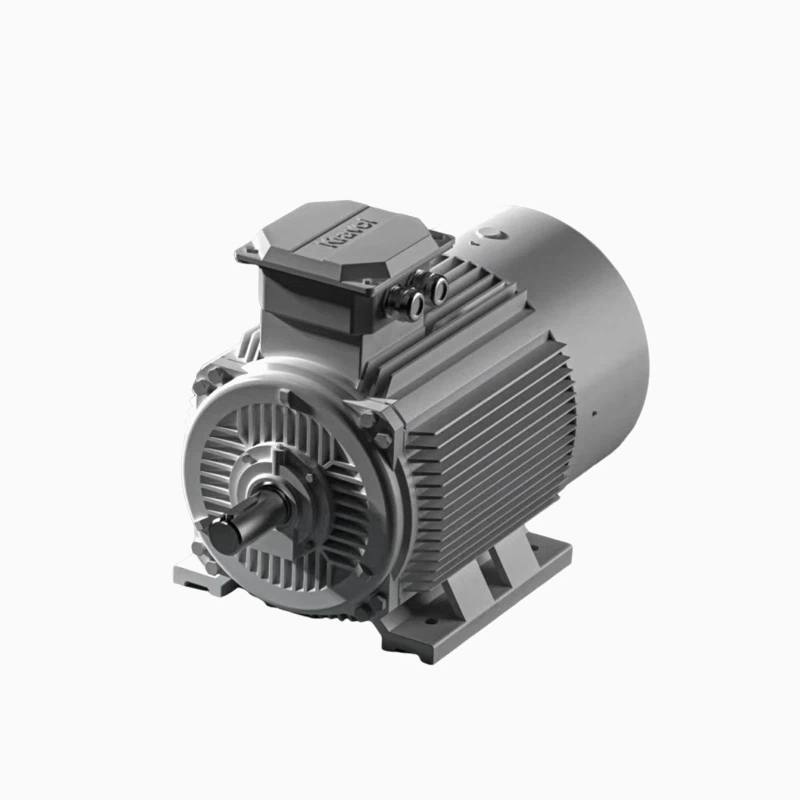
Now, let's dive into the starting current requirements. When an IE2 Electric Motor starts, it draws a much higher current than its normal operating current. This high starting current is necessary to overcome the inertia of the motor and the load it's driving. The starting current can be anywhere from 5 to 8 times the rated current of the motor.
Why such a high current? Well, when the motor is at rest, the back - EMF (electromotive force) is zero. Back - EMF is the voltage that opposes the applied voltage in the motor windings. As the motor starts to rotate, the back - EMF gradually builds up, and the current drawn by the motor decreases to its normal operating level.
The starting current requirements can vary depending on several factors. One of the main factors is the type of load the motor is driving. For example, if the motor is driving a load with high inertia, like a large flywheel or a conveyor belt with a heavy load, it will require a higher starting current. On the other hand, if the load has low inertia, such as a small fan or a pump, the starting current may be relatively lower.
Another factor that affects the starting current is the motor design. Different IE2 Electric Motors have different winding configurations and magnetic circuits, which can influence the starting current characteristics. Some motors are designed to have a lower starting current by using special winding techniques or by incorporating additional components like soft - starters.
Soft - starters are devices that can be used to reduce the starting current of an IE2 Electric Motor. They work by gradually increasing the voltage applied to the motor during the starting process. This reduces the inrush current and allows the motor to start smoothly. You can find some interesting options for motors that might work well with soft - starters, like the Three Phase Brake Motor.
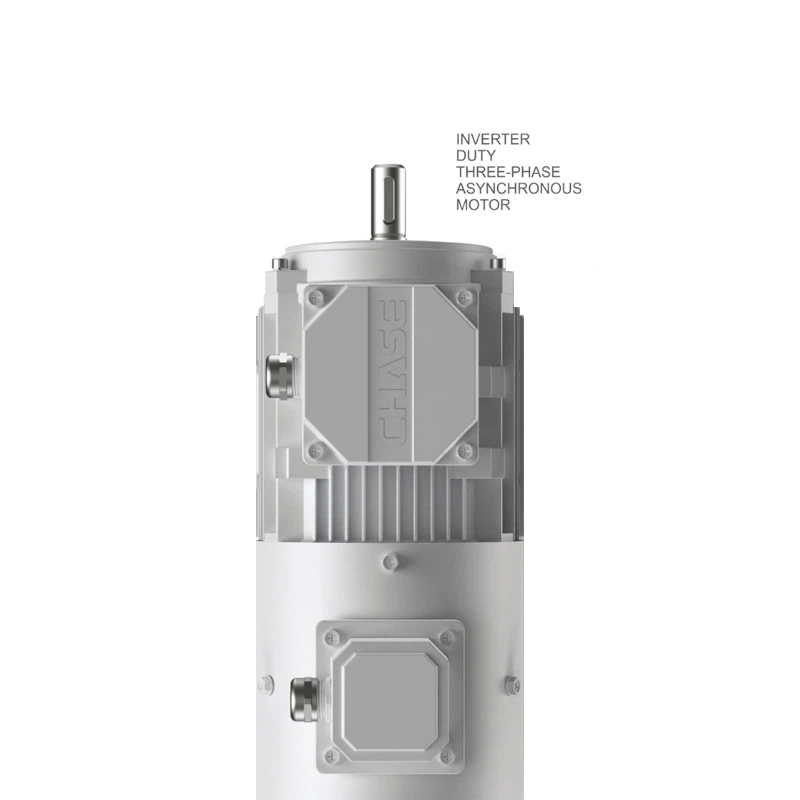
Inverter Duty Motors are also an important consideration when talking about starting current. These motors are designed to work with variable frequency drives (VFDs). VFDs can control the speed and torque of the motor by varying the frequency and voltage of the power supplied to the motor. When using an Inverter Duty Motor with a VFD, the starting current can be significantly reduced. You can learn more about these motors on this page: Inverter Duty Motor.
The starting current of an IE2 Electric Motor can also have an impact on the electrical system. A high starting current can cause voltage dips in the power supply, which can affect other equipment connected to the same electrical network. This is why it's important to properly size the electrical system and consider using devices like soft - starters or VFDs to manage the starting current.
When it comes to selecting the right IE2 Electric Motor for a particular application, understanding the starting current requirements is crucial. You need to make sure that the motor can start and operate without causing any issues in the electrical system. You also need to consider the long - term energy efficiency of the motor, as this can have a significant impact on your operating costs.
As a supplier of IE2 Electric Motors, I've seen many cases where customers were not aware of the starting current requirements. This led to problems such as overheating of the motor, tripping of circuit breakers, and damage to other equipment. That's why I always recommend that customers consult with an expert before making a purchase.
If you're in the market for an IE2 Electric Motor, or if you have any questions about starting current requirements, feel free to reach out. I'm here to help you make the right choice for your application. Whether it's a small motor for a home appliance or a large motor for an industrial process, I can provide you with the information and support you need.
In conclusion, the starting current requirements of IE2 Electric Motors are an important aspect to consider when selecting and using these motors. By understanding the factors that affect the starting current and taking appropriate measures to manage it, you can ensure the reliable and efficient operation of your motor. So, don't hesitate to get in touch if you're looking to purchase an IE2 Electric Motor. I'm confident that I can help you find the perfect motor for your needs.
References
- Various industry standards and guidelines on electric motor performance and starting current.
- Technical literature provided by motor manufacturers on IE2 Electric Motors.