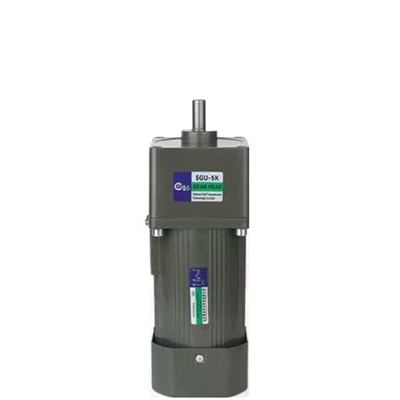
As a trusted supplier of the ISW Vertical Pump, I've witnessed firsthand the transformative impact these pumps can have on sewage treatment plants. Their efficient operation is crucial for maintaining the smooth flow of the sewage treatment process. In this blog, I'll delve into the installation requirements for an ISW Vertical Pump in a sewage treatment plant, ensuring you have all the information you need for a successful setup.
Site Selection and Preparation
The first step in installing an ISW Vertical Pump is choosing the right location. The site should be flat, well - drained, and free from any potential sources of vibration or excessive heat. A stable foundation is essential to prevent the pump from moving during operation, which could lead to mechanical failures and reduced efficiency.
The area around the pump should have sufficient space for maintenance and inspection. Adequate clearance should be provided on all sides of the pump, typically at least 1 meter, to allow technicians easy access to components such as the motor, couplings, and impellers.
The site should also be protected from environmental factors. In a sewage treatment plant, the pump is often exposed to corrosive substances. Therefore, it's advisable to install the pump in an enclosed area or provide a protective cover. This will not only extend the pump's lifespan but also ensure the safety of the operators.
Pump Foundation
A proper foundation is the cornerstone of a successful pump installation. For an ISW Vertical Pump, a reinforced concrete foundation is commonly used. The foundation should be designed to support the weight of the pump, motor, and any associated equipment.
The dimensions of the foundation are determined by the size and weight of the pump. It should be large enough to distribute the load evenly and prevent settlement. The thickness of the concrete slab usually ranges from 300 to 500 mm, depending on the pump's specifications.
Before pouring the concrete, anchor bolts should be placed in the foundation according to the pump's mounting holes. These bolts will secure the pump to the foundation and prevent it from shifting. The bolts should be tightened to the manufacturer's recommended torque to ensure a secure fit.
Pipework Installation
The pipework connected to the ISW Vertical Pump is critical for its proper operation. The suction and discharge pipes should be sized correctly to match the pump's flow rate and pressure requirements. Incorrect pipe sizing can lead to reduced performance, increased energy consumption, and even pump damage.


The suction pipe should be as short and straight as possible to minimize friction losses. It should also be free from any air leaks, as air in the suction line can cause cavitation, which is a major cause of pump failure. A foot valve or a check valve can be installed at the end of the suction pipe to prevent backflow and maintain prime.
The discharge pipe should be supported properly to prevent stress on the pump flange. Expansion joints can be used to absorb thermal expansion and contraction of the pipework. The pipework should also be aligned accurately with the pump's inlet and outlet to avoid misalignment, which can cause vibration and premature wear of the pump components.
Electrical Installation
The electrical installation for an ISW Vertical Pump must comply with all relevant electrical codes and standards. The pump motor should be connected to a suitable power supply with the correct voltage and phase.
A dedicated circuit breaker should be installed to protect the pump from overcurrent and short - circuit conditions. The wiring should be sized appropriately to handle the motor's current requirements without excessive voltage drop.
Proper grounding is essential for the safety of the pump and the operators. The motor frame and all electrical components should be grounded to prevent electrical shock. A grounding conductor should be connected to a reliable grounding electrode, such as a grounding rod or a grounding grid.
Alignment
Accurate alignment of the pump and the motor is crucial for the smooth operation of the ISW Vertical Pump. Misalignment can cause excessive vibration, increased bearing wear, and reduced efficiency.
There are two main types of alignment: angular alignment and parallel alignment. Angular alignment ensures that the pump and motor shafts are in the same angular plane, while parallel alignment ensures that the shafts are parallel to each other.
Laser alignment tools are commonly used to achieve precise alignment. These tools can measure the alignment with high accuracy and provide real - time feedback to the technician. Alignment should be checked and adjusted during the installation process and periodically during the pump's operation.
Testing and Commissioning
After the installation is complete, the ISW Vertical Pump should be thoroughly tested before being put into service. The testing process includes a visual inspection of all components, checking for any loose connections or leaks.
The pump should be filled with water and primed to ensure proper suction. A no - load test can be conducted first to check the motor's rotation direction and the pump's free rotation. Then, a load test can be performed to measure the pump's flow rate, pressure, and power consumption.
During the commissioning process, the pump's performance should be monitored closely to ensure that it meets the design requirements. Any issues or deviations should be addressed immediately to avoid potential problems in the future.
Maintenance and Safety Considerations
Once the ISW Vertical Pump is installed and commissioned, regular maintenance is essential to ensure its long - term reliability. This includes checking the pump's lubrication levels, inspecting the seals for leaks, and monitoring the vibration and temperature of the pump and motor.
Safety is also a top priority in a sewage treatment plant. Operators should be trained on the proper operation and maintenance of the pump. Personal protective equipment, such as safety glasses, gloves, and hard hats, should be worn at all times when working around the pump.
In conclusion, installing an ISW Vertical Pump in a sewage treatment plant requires careful planning and attention to detail. By following the installation requirements outlined above, you can ensure the efficient and reliable operation of the pump, which is essential for the proper functioning of the sewage treatment process.
If you're interested in our ISW Vertical Pump or other related products such as Vertical Pipeline Pump and Industrial Vertical Pipeline Pump, we invite you to contact us for more information and to discuss your specific requirements. Our team of experts is ready to assist you in finding the best pumping solution for your sewage treatment plant.
References
- Pump Installation Manual - ISW Vertical Pump Manufacturer
- Sewage Treatment Plant Design and Operation Guidelines
- Electrical Installation Codes and Standards