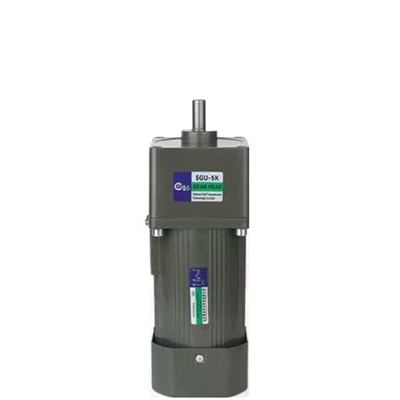
As a supplier of ISW Vertical Pumps, I've had numerous discussions with clients regarding the distinctions between ISW vertical pumps and horizontal pumps. This blog aims to delve into these differences comprehensively, offering valuable insights for those in the market for pumping solutions.
Structural Design
One of the most apparent differences between ISW vertical pumps and horizontal pumps lies in their structural design. Horizontal pumps, as the name suggests, have a horizontal shaft orientation. This design typically features a volute casing with the impeller positioned horizontally. The pump's motor is usually mounted on a baseplate alongside the pump casing, providing a relatively compact and stable structure that is easy to install and maintain.
On the other hand, ISW vertical pumps have a vertical shaft orientation. The pump casing is designed to be vertically installed, with the impeller located at the bottom of the pump shaft. This design allows the pump to be installed in a smaller footprint, making it ideal for applications where space is limited. For instance, in high - rise buildings or industrial facilities with restricted floor space, an ISW Vertical Pump can be a more practical choice.
Installation Space
Horizontal pumps generally require more floor space for installation. The baseplate on which the pump and motor are mounted needs to be level and stable, and there must be sufficient clearance around the pump for maintenance and access. In large industrial plants, this can be a significant consideration, especially when multiple pumps are required.
ISW vertical pumps, however, are known for their space - saving design. They can be installed in tight spaces, such as between pipes in a pipeline system. Their vertical installation also allows them to be easily integrated into existing piping systems without the need for extensive modifications. For example, in a chemical processing plant where floor space is at a premium, an Industrial Vertical Pipeline Pump can be installed vertically along the pipeline, minimizing the impact on the overall layout of the plant.
Suction and Discharge Orientation
In horizontal pumps, the suction and discharge ports are typically located on the side of the pump casing. This design allows for easy connection to the piping system, as the pipes can be routed horizontally. However, it may require additional elbow fittings to change the direction of the flow, which can increase the pressure loss in the system.
ISW vertical pumps have a different suction and discharge orientation. The suction port is usually located at the bottom of the pump, while the discharge port is on the side or top. This vertical arrangement can provide a more direct flow path, reducing the need for elbow fittings and minimizing pressure loss. In applications where efficient fluid transfer is crucial, such as in water supply systems, the vertical design of an ISW Vertical Pump can result in significant energy savings.
Cavitation Resistance
Cavitation is a phenomenon that occurs when the pressure in a liquid drops below its vapor pressure, causing the formation of vapor bubbles. These bubbles can collapse violently, causing damage to the pump impeller and other components.
Horizontal pumps are more prone to cavitation, especially when the suction lift is high. The horizontal orientation of the shaft and impeller can create areas of low pressure, increasing the likelihood of cavitation. To mitigate this issue, additional suction piping or a booster pump may be required.
ISW vertical pumps, due to their vertical design, have better cavitation resistance. The vertical arrangement of the impeller and the flow path allows for a more uniform pressure distribution, reducing the risk of cavitation. This makes them suitable for applications where the suction conditions are challenging, such as in deep - well pumping or in systems with high - viscosity fluids.
Maintenance
Maintenance of horizontal pumps is relatively straightforward in some aspects. The horizontal orientation of the shaft and components allows for easy access to the impeller, bearings, and seals. Mechanics can work on the pump in a more comfortable position, and disassembly and reassembly are generally less complex.
However, ISW vertical pumps also have their own advantages in terms of maintenance. Since they are vertically installed, the weight of the impeller and other components is supported by the shaft and bearings in a different way. This can result in less wear and tear on the components, reducing the frequency of maintenance. Additionally, some ISW vertical pumps are designed with a modular structure, allowing for quick replacement of individual components without the need to disassemble the entire pump.
Performance Characteristics
In terms of performance, horizontal pumps are often capable of handling large flow rates. Their design allows for a larger impeller diameter and a more spacious volute casing, which can accommodate a higher volume of fluid. They are commonly used in applications such as water treatment plants, where large - scale water transfer is required.
ISW vertical pumps, while they may not handle the same large flow rates as some horizontal pumps, are known for their high - head capabilities. The vertical design of the pump allows for a more efficient conversion of energy, enabling the pump to generate higher pressures. This makes them suitable for applications such as high - rise building water supply systems, where the pump needs to overcome the height and pressure requirements of the building.
Cost
The cost of a pump is an important consideration for any buyer. Horizontal pumps are generally more cost - effective for applications that require large flow rates. The manufacturing process for horizontal pumps is well - established, and the components are often more standardized, resulting in lower production costs.
ISW vertical pumps, due to their specialized design and the materials used in their construction, may have a higher initial cost. However, when considering the long - term cost, including energy savings, reduced maintenance requirements, and the ability to fit into tight spaces, they can offer a better return on investment in certain applications.
Application Scenarios
Horizontal pumps are widely used in industries such as power generation, oil and gas, and large - scale water treatment. In power plants, they are used for circulating cooling water, while in the oil and gas industry, they are employed for crude oil transfer and pipeline pumping.


ISW vertical pumps find their applications in a variety of scenarios. In the building industry, they are used for water supply and drainage in high - rise buildings. In the chemical industry, they are suitable for transferring corrosive or high - temperature fluids due to their compact design and better cavitation resistance. They are also commonly used in Vertical Pipeline Pump systems, where they can be easily integrated into the pipeline network.
Conclusion
In conclusion, both ISW vertical pumps and horizontal pumps have their own unique features and advantages. The choice between the two depends on a variety of factors, including the available space, the required flow rate and head, the nature of the fluid being pumped, and the budget. As a supplier of ISW Vertical Pumps, I understand the importance of providing the right pumping solution for each client's specific needs.
If you are in the market for a pumping solution and are considering the differences between ISW vertical pumps and horizontal pumps, I encourage you to contact us for more information. Our team of experts can help you evaluate your requirements and select the most suitable pump for your application. Whether you need a high - flow horizontal pump or a high - head ISW vertical pump, we have the knowledge and experience to assist you in making the right decision.
References
- "Pump Handbook" by Igor J. Karassik et al.
- Various technical documents and research papers on pump design and performance.