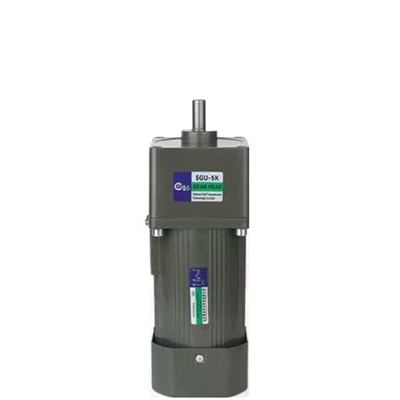
As a supplier of ISW Vertical Pumps, I've encountered numerous challenges related to pump couplings in my years of experience. Couplings play a crucial role in transmitting power from the motor to the pump, and any issues with them can significantly impact the performance and reliability of the ISW Vertical Pump. In this blog post, I'll discuss some of the common problems with the coupling in an ISW Vertical Pump and offer insights on how to address them.
Misalignment
One of the most prevalent problems with couplings in ISW Vertical Pumps is misalignment. Misalignment occurs when the motor and the pump shafts are not perfectly aligned, which can lead to excessive vibration, premature wear, and even coupling failure. There are two main types of misalignment: angular misalignment and parallel misalignment.
Angular misalignment happens when the axes of the motor and pump shafts intersect at an angle. This can be caused by improper installation, foundation settlement, or thermal expansion. Parallel misalignment, on the other hand, occurs when the axes of the two shafts are parallel but offset from each other. This can result from inaccurate shaft positioning or uneven mounting surfaces.
The consequences of misalignment can be severe. Excessive vibration can cause damage to the coupling, bearings, and other components of the pump. It can also lead to increased energy consumption and reduced pump efficiency. To prevent misalignment, it's essential to ensure proper installation and alignment of the motor and pump. This may involve using precision alignment tools and following the manufacturer's guidelines. Regular maintenance and inspection can also help detect and correct any misalignment issues before they cause significant damage.
Wear and Tear
Another common problem with couplings in ISW Vertical Pumps is wear and tear. Over time, the coupling components can experience friction, fatigue, and corrosion, which can lead to degradation of their performance. The type of coupling used can also affect its wear characteristics. For example, flexible couplings are designed to accommodate some degree of misalignment and vibration, but they may be more prone to wear than rigid couplings.
Wear and tear can manifest in various ways, such as cracks, deformation, or loss of material. This can result in reduced coupling efficiency, increased vibration, and potential coupling failure. To minimize wear and tear, it's important to choose the right type of coupling for the application and ensure proper lubrication and maintenance. Regular inspection of the coupling can help detect any signs of wear early on, allowing for timely replacement of the worn components.
Overloading
Overloading is another issue that can cause problems with the coupling in an ISW Vertical Pump. Overloading occurs when the pump is subjected to a load that exceeds its design capacity. This can be due to factors such as incorrect pump sizing, changes in the system requirements, or blockages in the pipeline.


When the pump is overloaded, the coupling may experience excessive torque, which can lead to coupling failure. Overloading can also cause damage to the motor and other components of the pump. To prevent overloading, it's crucial to ensure that the pump is properly sized for the application and that the system is designed to operate within the pump's rated capacity. Regular monitoring of the pump's performance can help detect any signs of overloading, allowing for appropriate adjustments to be made.
Environmental Factors
Environmental factors can also have a significant impact on the performance of the coupling in an ISW Vertical Pump. Exposure to harsh chemicals, high temperatures, or extreme humidity can cause corrosion, degradation, and other forms of damage to the coupling components. For example, in industrial applications where the pump is used to handle corrosive fluids, the coupling may need to be made of materials that are resistant to corrosion.
In addition, temperature variations can cause thermal expansion and contraction of the coupling components, which can lead to misalignment and other issues. To protect the coupling from environmental factors, it's important to choose the right type of coupling and ensure proper sealing and protection. This may involve using corrosion-resistant coatings, enclosures, or other protective measures.
Lack of Maintenance
Finally, a lack of proper maintenance can contribute to problems with the coupling in an ISW Vertical Pump. Regular maintenance is essential to ensure the optimal performance and reliability of the pump and its components. This includes tasks such as lubrication, inspection, and replacement of worn parts.
Failure to perform regular maintenance can lead to the accumulation of dirt, debris, and other contaminants in the coupling, which can cause increased friction and wear. It can also prevent early detection of any potential problems, allowing them to escalate into more serious issues. To avoid these problems, it's important to establish a comprehensive maintenance schedule and follow it diligently.
Solutions and Recommendations
To address the common problems with the coupling in an ISW Vertical Pump, the following solutions and recommendations can be considered:
- Proper Installation and Alignment: Ensure that the motor and pump are properly installed and aligned using precision alignment tools. Follow the manufacturer's guidelines for installation and alignment to minimize the risk of misalignment.
- Regular Maintenance and Inspection: Establish a regular maintenance schedule for the pump and its components, including the coupling. This should include tasks such as lubrication, inspection, and replacement of worn parts. Regular inspection can help detect any signs of wear, misalignment, or other issues early on, allowing for timely intervention.
- Choose the Right Coupling: Select the appropriate type of coupling for the application based on factors such as the pump's operating conditions, load requirements, and environmental factors. Consider using flexible couplings to accommodate some degree of misalignment and vibration.
- Monitor Pump Performance: Regularly monitor the performance of the pump, including parameters such as flow rate, pressure, and power consumption. Any significant changes in these parameters may indicate a problem with the coupling or other components of the pump.
- Protect from Environmental Factors: Take appropriate measures to protect the coupling from environmental factors such as corrosion, high temperatures, and extreme humidity. This may involve using corrosion-resistant materials, coatings, or enclosures.
Conclusion
In conclusion, the coupling in an ISW Vertical Pump is a critical component that can significantly impact the performance and reliability of the pump. Misalignment, wear and tear, overloading, environmental factors, and a lack of maintenance are some of the common problems that can occur with the coupling. By understanding these problems and taking appropriate preventive and corrective measures, you can ensure the optimal performance and longevity of your ISW Vertical Pump.
If you're in the market for an ISW Vertical Pump, Vertical Pipeline Pump, or Industrial Vertical Pipeline Pump, we're here to help. Our team of experts can provide you with the right pump solution for your specific needs and offer guidance on installation, maintenance, and troubleshooting. Contact us today to discuss your requirements and explore how we can assist you in achieving efficient and reliable pumping operations.
References
- Pump Handbook, 4th Edition, by Igor J. Karassik, Joseph P. Messina, Paul Cooper, and Charles C. Heald.
- Mechanical Engineering Design, 9th Edition, by Joseph E. Shigley, Charles R. Mischke, and Richard G. Budynas.
- Centrifugal Pumps: Design and Application, 3rd Edition, by Heinz P. Bloch and Fred K. Geitner.