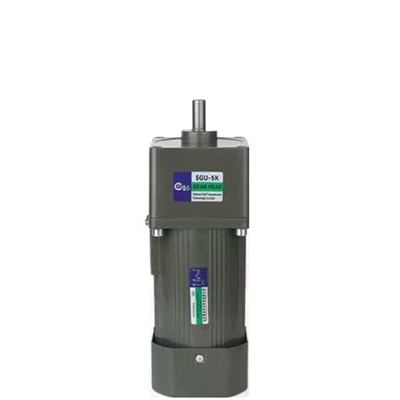
As a supplier of vortex blowers, I've encountered a wide range of issues that customers often face with these devices. Vortex blowers, also known as side channel blowers, are used in various industries for applications such as pneumatic conveying, wastewater treatment, and vacuum lifting. They are valued for their ability to generate high pressures and flows in a compact design. However, like any mechanical equipment, they are prone to certain common problems. In this blog post, I'll discuss some of these issues and provide insights on how to address them.
Overheating
One of the most prevalent problems with vortex blowers is overheating. This can occur due to several reasons, including improper ventilation, high ambient temperatures, or overloading the blower. When a vortex blower overheats, it can lead to reduced efficiency, premature wear and tear, and even permanent damage to the motor and other components.
To prevent overheating, it's essential to ensure that the blower is installed in a well - ventilated area. The ambient temperature should be within the manufacturer's specified range. Additionally, make sure that the blower is not being operated beyond its rated capacity. Regularly check the ventilation ports and clean them if they are blocked by dust or debris. If you notice that the blower is running hot, stop the operation immediately and allow it to cool down. You may also need to inspect the motor for any signs of malfunction, such as a faulty fan or a short - circuit.
Noise and Vibration
Excessive noise and vibration are another common issue with vortex blowers. These problems can be caused by unbalanced impellers, loose components, or improper installation. High levels of noise and vibration not only create an unpleasant working environment but can also indicate underlying mechanical problems that may lead to equipment failure.
To reduce noise and vibration, start by checking the impeller for balance. An unbalanced impeller can cause the blower to vibrate excessively. You may need to have the impeller re - balanced by a professional. Ensure that all components of the blower are tightly secured. Loose bolts or screws can contribute to vibration. Proper installation is also crucial. Make sure that the blower is mounted on a stable surface and that the alignment is correct. You can also use vibration - damping materials, such as rubber mounts, to reduce the transmission of vibrations to the surrounding structure.
Air Leakage
Air leakage is a significant problem that can affect the performance of a vortex blower. Leaks can occur at various points, including the seals, gaskets, and connections. When there is air leakage, the blower has to work harder to maintain the desired pressure and flow, which can lead to increased energy consumption and reduced efficiency.
To detect air leakage, you can use a smoke test or a pressure gauge. Inspect all seals and gaskets regularly for signs of wear or damage. Replace any worn - out seals or gaskets immediately. Make sure that all connections are tight and that there are no cracks or holes in the pipes or ducts. If you find a leak, repair it as soon as possible to prevent further loss of air.
Low Pressure or Flow
If your vortex blower is not generating the expected pressure or flow, there could be several reasons for this. Clogged filters, blocked impellers, or a malfunctioning motor can all contribute to reduced performance.
Check the filters regularly and clean or replace them as needed. A clogged filter restricts the airflow into the blower, reducing its efficiency. Inspect the impeller for any blockages, such as debris or foreign objects. If the impeller is blocked, carefully remove the obstruction. If the problem persists, it may be a sign of a motor malfunction. Check the motor's electrical connections, and if necessary, have the motor tested by a qualified technician.


Bearing Failure
Bearings are critical components in a vortex blower, as they support the rotating shaft and reduce friction. Over time, bearings can wear out due to normal use, improper lubrication, or contamination. Bearing failure can lead to increased vibration, noise, and ultimately, the breakdown of the blower.
To prevent bearing failure, follow the manufacturer's recommendations for lubrication. Use the correct type and amount of lubricant. Regularly inspect the bearings for signs of wear, such as excessive play or noise. If you notice any issues with the bearings, replace them immediately. It's also important to keep the bearing area clean to prevent contamination.
Electrical Problems
Electrical problems can also occur in vortex blowers. These can include issues such as short - circuits, blown fuses, or faulty wiring. Electrical problems can be dangerous and can cause the blower to stop working or even pose a fire hazard.
If you suspect an electrical problem, always turn off the power supply before inspecting the blower. Check the electrical connections for loose wires or corrosion. Replace any blown fuses with the correct rating. If you're not experienced in electrical work, it's best to have a qualified electrician diagnose and repair the problem.
Solutions and Recommendations
To minimize the occurrence of these common problems, regular maintenance is key. Establish a maintenance schedule that includes tasks such as cleaning, lubrication, inspection of components, and performance testing. Train your staff on proper operation and maintenance procedures to ensure that the blower is used correctly.
When it comes to choosing a vortex blower, consider the specific requirements of your application. High Pressure Vortex Blower are suitable for applications that require high pressures, while Single Phase Vortex Blower are ideal for smaller - scale operations or where single - phase power is available.
In conclusion, while vortex blowers are reliable and efficient machines, they are not immune to problems. By being aware of the common issues and taking proactive measures to prevent and address them, you can ensure the optimal performance and longevity of your vortex blower.
If you're experiencing any of these problems with your vortex blower or are in the market for a new one, don't hesitate to contact us. Our team of experts can provide you with the right solutions and advice for your specific needs. We can also assist you in selecting the most suitable vortex blower for your application and offer support for installation, maintenance, and repair.
References
- "Vortex Blower Handbook", Industry Press, 20XX
- Manufacturer's manuals for various vortex blowers
- Technical papers on side - channel blower technology