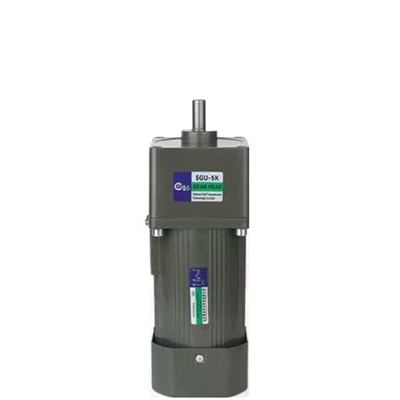
Hey everyone! I'm working as a supplier of vertical pumps, and I'm super excited to share with you all the awesome advantages of these pumps. Vertical pumps have been around for a while, but their popularity has been soaring lately, and for good reasons. So, let's dive right in and explore what makes them so great.


Space - Saving Design
One of the most significant advantages of vertical pumps is their space - saving design. Unlike horizontal pumps, which need a lot of floor space, vertical pumps are installed vertically. This is a game - changer, especially in industrial settings where floor space is at a premium. For example, in a chemical processing plant, where there are tons of equipment and machinery, a vertical pump can be easily installed in a tight corner or even on a mezzanine.
Our Vertical Pipeline Pump is a perfect example. It's designed to fit into small spaces without compromising on performance. This not only saves valuable floor space but also allows for a more organized and efficient layout of the entire facility. You won't have to worry about rearranging large areas of your plant to accommodate the pump.
Easy Installation and Maintenance
Vertical pumps are relatively easy to install. Since they are vertical, the alignment process is often simpler compared to horizontal pumps. You don't have to deal with the complex alignment of long shafts and multiple components that are common in horizontal pump installations. This means less time spent on installation, which translates to cost savings for you.
When it comes to maintenance, vertical pumps also have an edge. Many vertical pumps are designed with a modular construction. This allows for easy access to individual components. For instance, if a particular part like the impeller or the seal needs to be replaced, you can do it without having to disassemble the entire pump. Our ISW Vertical Pump is built with this modularity in mind, making maintenance a breeze. You can quickly get the pump back up and running, minimizing downtime in your operations.
High - Efficiency Operation
Vertical pumps are known for their high - efficiency operation. They are designed to minimize energy losses during the pumping process. The vertical design allows for a more direct flow of fluid, reducing the amount of friction and turbulence. This results in less energy being wasted, which means lower energy bills for you.
In addition, many vertical pumps are equipped with advanced impeller designs. These impellers are engineered to maximize the transfer of energy from the motor to the fluid, further improving the overall efficiency of the pump. For industries that rely on continuous pumping operations, such as water treatment plants or oil refineries, the energy savings over time can be substantial. Our Industrial Vertical Pipeline Pump is optimized for high - efficiency operation, ensuring that you get the most out of your energy investment.
Versatility
Vertical pumps are incredibly versatile. They can be used in a wide range of applications, from pumping water in municipal water supply systems to handling corrosive chemicals in chemical plants. The materials used in the construction of vertical pumps can be tailored to suit different types of fluids. For example, if you need to pump a highly corrosive acid, the pump can be made from materials like stainless steel or special alloys that can withstand the harsh chemical environment.
They can also handle different flow rates and pressures. Whether you need a pump for a low - flow, high - pressure application or a high - flow, low - pressure one, there's a vertical pump that can meet your requirements. This versatility makes vertical pumps a popular choice across various industries.
Submerged Operation
Some vertical pumps are designed for submerged operation. This is particularly useful in applications where the fluid source is below the pump level, such as in wells or sumps. Submerged vertical pumps can directly draw fluid from the source without the need for additional priming equipment. This simplifies the pumping system and reduces the risk of cavitation, which can damage the pump and reduce its efficiency.
In a sewage treatment plant, for example, submerged vertical pumps can be used to transfer wastewater from the collection pits to the treatment units. The ability to operate underwater also protects the pump from environmental factors like dust and debris, extending its service life.
Reduced Noise and Vibration
Vertical pumps generally produce less noise and vibration compared to horizontal pumps. The vertical design provides better stability, which helps to dampen vibrations. This is important in environments where noise levels need to be kept to a minimum, such as in hospitals or residential areas.
Less vibration also means less wear and tear on the pump components. This can lead to a longer service life for the pump and fewer maintenance requirements. You won't have to worry about the constant rattling and shaking that can be associated with some horizontal pumps.
Cost - Effectiveness
Overall, vertical pumps are a cost - effective solution. The initial cost of a vertical pump may be comparable to or slightly higher than a horizontal pump in some cases. However, when you consider the long - term savings in terms of energy costs, maintenance costs, and space utilization, vertical pumps are a smart investment.
The reduced downtime due to easier installation and maintenance also means that your operations can run more smoothly, resulting in increased productivity. And with the high - efficiency operation, you'll see a significant reduction in your energy bills over time.
Conclusion
As you can see, vertical pumps offer a wide range of advantages. From their space - saving design and easy installation to their high - efficiency operation and versatility, they are a great choice for many different applications. Whether you're in the industrial, municipal, or commercial sector, there's a vertical pump that can meet your specific needs.
If you're interested in learning more about our vertical pumps or are thinking about making a purchase, I'd love to talk to you. We can have a detailed discussion about your requirements and find the perfect pump for your situation. Don't hesitate to reach out and start the conversation. Let's work together to find the best pumping solution for you.
References
- Pump Handbook, Third Edition by Igor J. Karassik, Joseph P. Messina, Paul Cooper, Charles C. Heald
- Centrifugal Pumps: Design and Application by Norman P. Cheremisinoff