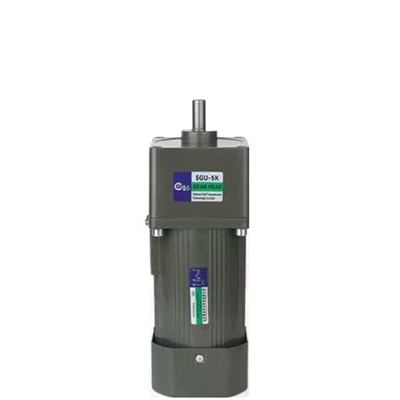
Troubleshooting an inverter duty motor is a crucial skill for anyone involved in industrial operations or electrical maintenance. As a supplier of Inverter Duty Motor, I've encountered various issues with these motors over the years. In this blog, I'll share some practical steps and tips on how to troubleshoot inverter duty motors effectively.
Understanding Inverter Duty Motors
Before diving into troubleshooting, it's essential to understand what an inverter duty motor is and how it differs from a standard motor. An inverter duty motor is designed to work with variable frequency drives (VFDs), which allow for precise control of motor speed and torque. These motors are built to withstand the electrical stresses and harmonics generated by VFDs, making them more suitable for applications where speed control is required.
Common Symptoms of Inverter Duty Motor Problems
The first step in troubleshooting is to identify the symptoms of a problem. Here are some common signs that your inverter duty motor may be experiencing issues:
Overheating
Overheating is one of the most common problems with inverter duty motors. It can be caused by several factors, including:
- Excessive load: If the motor is operating at a higher load than it's rated for, it will generate more heat.
- Poor ventilation: Inadequate airflow around the motor can prevent heat from dissipating properly.
- Electrical issues: Problems such as short circuits or high resistance in the motor windings can also cause overheating.
Vibration
Excessive vibration can indicate a mechanical problem with the motor. Possible causes include:
- Misalignment: If the motor is not properly aligned with the driven equipment, it can cause vibration.
- Unbalanced rotor: A rotor that is not balanced can also lead to vibration.
- Worn bearings: Worn or damaged bearings can cause the motor to vibrate.
Noise
Unusual noises coming from the motor can be a sign of a problem. Some common causes of noise include:
- Mechanical issues: Loose parts, worn bearings, or misalignment can all cause noise.
- Electrical issues: Electrical arcing or high-frequency noise can also be heard.
Speed fluctuations
If the motor's speed is fluctuating, it could be due to:
- VFD problems: Issues with the variable frequency drive, such as incorrect settings or a malfunction, can cause speed fluctuations.
- Motor control issues: Problems with the motor's control system, such as a faulty sensor or controller, can also affect speed.
Troubleshooting Steps
Visual Inspection
The first step in troubleshooting an inverter duty motor is to perform a visual inspection. Look for any obvious signs of damage, such as:
- Burn marks: Burn marks on the motor or its components can indicate an electrical problem.
- Loose connections: Check all electrical connections to ensure they are tight and secure.
- Physical damage: Look for any signs of physical damage, such as cracks or dents in the motor housing.
Check the VFD
The variable frequency drive is a critical component of the inverter duty motor system. Here are some steps to check the VFD:
- Verify settings: Make sure the VFD settings are correct for the motor and the application. Incorrect settings can cause the motor to operate inefficiently or malfunction.
- Check for error codes: Most VFDs have built-in diagnostic systems that can display error codes. Refer to the VFD's manual to interpret the error codes and take appropriate action.
- Inspect the VFD components: Look for any signs of damage or overheating on the VFD's components, such as capacitors, resistors, and transistors.
Measure Electrical Parameters
Measuring electrical parameters can help identify electrical problems in the motor. Use a multimeter to measure the following:
- Voltage: Check the voltage at the motor terminals to ensure it is within the motor's rated voltage range.
- Current: Measure the current flowing through the motor to determine if it is operating within its rated current.
- Resistance: Measure the resistance of the motor windings to check for short circuits or open circuits.
Check the Motor Bearings
The motor bearings play a crucial role in the motor's operation. Here's how to check them:

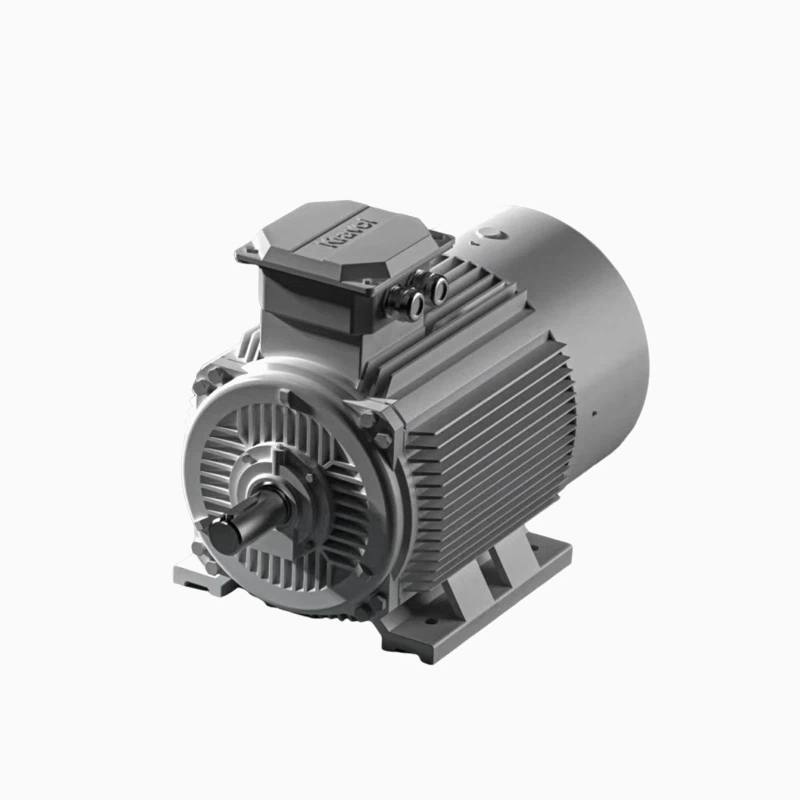
- Listen for noise: Rotate the motor shaft by hand and listen for any grinding or clicking noises, which can indicate worn bearings.
- Check for play: Try to move the motor shaft radially and axially. Excessive play can be a sign of worn bearings.
- Inspect the bearings: If possible, remove the motor end covers and inspect the bearings for signs of damage, such as pitting or scoring.
Analyze the Motor's Performance
If the above steps don't reveal the problem, you may need to analyze the motor's performance in more detail. This can involve using specialized equipment, such as a motor analyzer or a vibration analyzer, to collect data on the motor's electrical and mechanical characteristics.
Preventive Maintenance
Preventive maintenance is key to avoiding inverter duty motor problems. Here are some preventive maintenance tips:
- Regular inspections: Perform regular visual inspections of the motor and its components to detect any potential problems early.
- Clean the motor: Keep the motor clean and free of dirt, dust, and debris to ensure proper ventilation.
- Lubricate the bearings: Follow the manufacturer's recommendations for lubricating the motor bearings to prevent premature wear.
- Calibrate the VFD:定期校准VFD to ensure it is operating correctly.
Conclusion
Troubleshooting an inverter duty motor requires a systematic approach and a good understanding of the motor and its components. By following the steps outlined in this blog, you can effectively diagnose and resolve common problems with inverter duty motors. Remember, preventive maintenance is essential to keep your motors running smoothly and avoid costly downtime.
If you're experiencing problems with your inverter duty motor or need more information about our Inverter Duty Motor products, feel free to contact us for professional advice and support. We also offer a wide range of other motors, such as IE2 Electric Motor and Aluminium Electric Motor, to meet your specific needs. Don't hesitate to reach out to us for procurement discussions.
References
- "Electric Motors and Control Systems" by Stephen L. Herman
- "Variable Frequency Drives: Selection, Application, and Troubleshooting" by Michael P. Haney