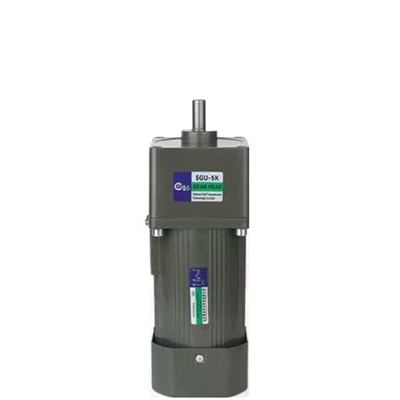
Hey there! As a supplier of inverter duty motors, I've seen firsthand how environmental factors can really take a toll on these powerful machines. Inverter duty motors are designed to work with variable frequency drives, providing efficient and reliable performance in a wide range of applications. But when they're exposed to harsh environmental conditions, it can lead to all sorts of problems, from reduced efficiency to premature failure. So, in this blog post, I'm going to share some tips on how to protect your inverter duty motor from environmental factors.
Understanding the Environmental Threats
Before we dive into the protection strategies, it's important to understand the environmental factors that can affect your inverter duty motor. Here are some of the most common ones:
- Dust and Dirt: Dust and dirt can accumulate on the motor's surface and inside its components, causing overheating and reducing efficiency. In some industries, like mining or construction, the amount of dust can be particularly high.
- Moisture and Humidity: Moisture can cause corrosion and electrical shorts in the motor. High humidity levels can also promote the growth of mold and mildew, which can damage the motor's insulation.
- Extreme Temperatures: Both high and low temperatures can have a negative impact on the motor's performance. High temperatures can cause the motor to overheat, while low temperatures can make the motor's lubricants thicken, increasing friction and wear.
- Chemicals and Corrosive Substances: In some industrial environments, motors may be exposed to chemicals and corrosive substances, such as acids, alkalis, and solvents. These substances can damage the motor's casing, insulation, and other components.
Protection Strategies
1. Enclosure Selection
One of the most important steps in protecting your inverter duty motor from environmental factors is choosing the right enclosure. The enclosure acts as a barrier between the motor and the environment, preventing dust, dirt, moisture, and other contaminants from entering the motor.


- IP Ratings: Look for motors with high IP (Ingress Protection) ratings. The IP rating consists of two digits, where the first digit indicates the protection against solid objects and the second digit indicates the protection against liquids. For example, an IP54-rated motor is protected against dust ingress to a degree that will not interfere with the operation of the motor and is protected against splashing water from any direction.
- Specialized Enclosures: In some cases, you may need a specialized enclosure to protect the motor from specific environmental conditions. For example, if the motor is exposed to corrosive chemicals, you may need a stainless steel or epoxy-coated enclosure.
2. Regular Cleaning and Maintenance
Regular cleaning and maintenance are essential for keeping your inverter duty motor in good condition. Here are some tips:
- Clean the Exterior: Use a soft brush or compressed air to remove dust and dirt from the motor's exterior. Be careful not to damage any of the motor's components.
- Inspect the Motor: Regularly inspect the motor for signs of wear, damage, or corrosion. Check the wiring, connections, and insulation for any signs of problems.
- Lubrication: Follow the manufacturer's recommendations for lubrication. Proper lubrication can reduce friction and wear, extending the life of the motor.
3. Temperature Management
To protect your inverter duty motor from extreme temperatures, you need to manage its temperature effectively.
- Cooling Systems: Many inverter duty motors come with built-in cooling systems, such as fans or heat sinks. Make sure these cooling systems are working properly and are not blocked by dust or debris.
- Thermal Protection: Install thermal protection devices, such as thermostats or thermal switches, to prevent the motor from overheating. These devices will automatically shut off the motor if the temperature exceeds a certain limit.
4. Moisture Prevention
Moisture can be a major problem for inverter duty motors, so it's important to take steps to prevent it.
- Sealing: Ensure that all openings in the motor, such as cable entries and ventilation holes, are properly sealed to prevent moisture from entering.
- Dehumidification: In high-humidity environments, consider using dehumidifiers to reduce the moisture levels in the air around the motor.
5. Chemical Resistance
If your inverter duty motor is exposed to chemicals or corrosive substances, you need to choose a motor that is resistant to these substances.
- Material Selection: Look for motors with casings and components made from materials that are resistant to chemicals, such as stainless steel or fiberglass.
- Coatings: Some motors can be coated with a protective layer to increase their chemical resistance.
Our Product Range
As a supplier of inverter duty motors, we offer a wide range of products to meet your specific needs. Our Cast Iron Three Phase Motor is known for its durability and robustness, making it suitable for harsh industrial environments. The Aluminium Electric Motor is lightweight and corrosion-resistant, ideal for applications where weight is a concern. And our IE3 Electric Motor offers high efficiency, helping you save energy and reduce operating costs.
Conclusion
Protecting your inverter duty motor from environmental factors is crucial for ensuring its long-term performance and reliability. By choosing the right enclosure, performing regular maintenance, managing the temperature, preventing moisture, and considering chemical resistance, you can significantly extend the life of your motor. If you have any questions or need help selecting the right inverter duty motor for your application, don't hesitate to get in touch. We're here to assist you with all your motor needs and look forward to discussing your requirements and finding the best solution for you.
References
- Motor Installation and Maintenance Guide - General Electric
- Electrical Equipment Protection Standards - International Electrotechnical Commission (IEC)
- Industrial Motor Handbook - ABB