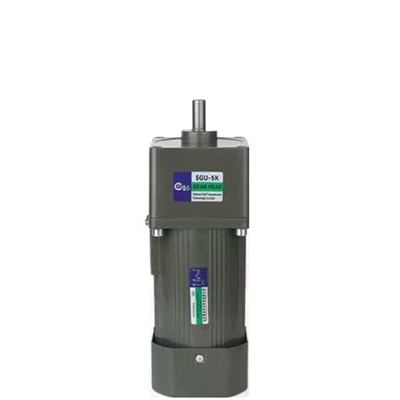
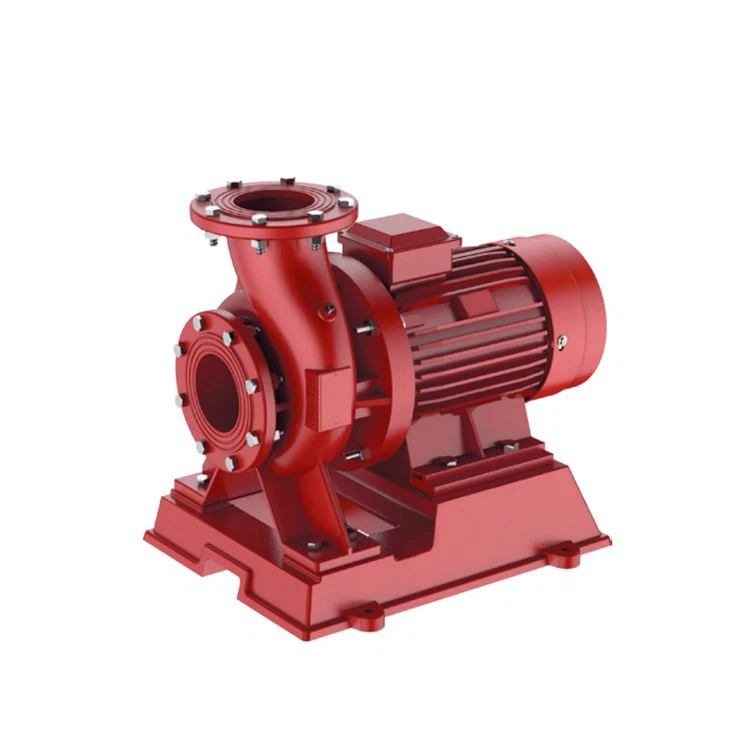
Hey there! I'm a supplier of horizontal pumps, and I know how crucial it is to monitor the operation status of these pumps in real-time. In this blog, I'll share some practical tips on how you can do just that, so you can keep your pumps running smoothly and avoid costly downtime.
Why Real-Time Monitoring Matters
First off, let's talk about why real-time monitoring is so important. Horizontal pumps are used in a wide range of industries, from water treatment to chemical processing. These pumps are often the heart of the operation, and any malfunction can lead to production delays, increased costs, and even safety hazards.
By monitoring the operation status of your horizontal pump in real-time, you can detect potential issues early on. This allows you to take proactive measures to prevent breakdowns, such as scheduling maintenance or replacing worn-out parts. Real-time monitoring also helps you optimize the pump's performance, which can save energy and reduce operating costs.
Key Parameters to Monitor
Now, let's get into the nitty-gritty of what you should be monitoring. There are several key parameters that can give you a good idea of how your horizontal pump is performing.
1. Flow Rate
The flow rate is the volume of fluid that the pump moves per unit of time. Monitoring the flow rate can help you determine if the pump is delivering the required amount of fluid. A sudden drop in flow rate could indicate a blockage in the pipeline, a worn impeller, or a problem with the pump's motor.
2. Pressure
Pressure is another important parameter to monitor. The pressure at the pump's inlet and outlet can tell you a lot about the pump's performance. High pressure at the outlet could mean that the pump is working too hard, which can lead to increased wear and tear. Low pressure at the inlet could indicate a suction problem, such as a clogged strainer.
3. Temperature
Monitoring the temperature of the pump's motor and bearings is crucial. Overheating can be a sign of a mechanical problem, such as misalignment or excessive friction. It can also indicate a problem with the cooling system. If the temperature rises above the normal operating range, it's important to take action immediately to prevent damage to the pump.
4. Vibration
Excessive vibration can be a sign of a serious problem with the pump. It could be caused by misalignment, unbalanced impellers, or loose parts. Monitoring vibration levels can help you detect these issues early on and take corrective action before they cause significant damage.
5. Power Consumption
The power consumption of the pump can also provide valuable information about its performance. An increase in power consumption could indicate that the pump is working harder than normal, which could be due to a variety of factors, such as a change in the fluid viscosity or a blockage in the pipeline.
Tools for Real-Time Monitoring
Now that you know what to monitor, let's talk about the tools you can use to do it. There are several types of sensors and monitoring systems available that can help you keep track of the key parameters mentioned above.
1. Flow Meters
Flow meters are used to measure the flow rate of the fluid. There are different types of flow meters available, such as electromagnetic flow meters, ultrasonic flow meters, and turbine flow meters. Each type has its own advantages and disadvantages, so it's important to choose the one that is best suited for your application.
2. Pressure Sensors
Pressure sensors are used to measure the pressure at the pump's inlet and outlet. They can be either mechanical or electronic. Electronic pressure sensors are more accurate and reliable, and they can provide real-time data that can be easily integrated into a monitoring system.
3. Temperature Sensors
Temperature sensors are used to monitor the temperature of the pump's motor and bearings. They can be either contact or non-contact sensors. Contact sensors are more accurate, but they require direct contact with the surface being measured. Non-contact sensors, such as infrared sensors, can measure the temperature from a distance.
4. Vibration Sensors
Vibration sensors are used to monitor the vibration levels of the pump. They can detect both the amplitude and frequency of the vibration. By analyzing the vibration data, you can identify the source of the problem and take corrective action.
5. Power Meters
Power meters are used to measure the power consumption of the pump. They can provide real-time data on the voltage, current, and power factor. This information can help you optimize the pump's performance and reduce energy consumption.
Setting Up a Real-Time Monitoring System
Once you have chosen the sensors and monitoring tools, the next step is to set up a real-time monitoring system. Here are the steps you can follow:
1. Choose a Monitoring Platform
There are several monitoring platforms available that can help you collect, analyze, and display the data from your sensors. Some platforms are cloud-based, which means that you can access the data from anywhere using a web browser or a mobile app. Others are installed on-premises, which gives you more control over the data.

2. Install the Sensors
Install the sensors at the appropriate locations on the pump. Make sure that they are properly calibrated and connected to the monitoring platform.
3. Configure the Monitoring System
Configure the monitoring system to set up alarms and notifications. You can set thresholds for each parameter, and the system will alert you if the values go outside of the normal range.
4. Analyze the Data
Regularly analyze the data collected by the monitoring system. Look for trends and patterns that could indicate a potential problem. Use the data to make informed decisions about maintenance and repairs.
Our Horizontal Pump Offerings
As a horizontal pump supplier, we offer a wide range of high-quality pumps to meet your needs. Check out our Industrial Horizontal Pipeline Pump, Horizontal Pipeline Pump, and ISW Horizontal Pump. These pumps are designed for reliable performance and are easy to monitor using the methods described in this blog.
Conclusion
Monitoring the operation status of a horizontal pump in real-time is essential for ensuring its reliable performance and preventing costly breakdowns. By monitoring the key parameters, using the right tools, and setting up a real-time monitoring system, you can keep your pumps running smoothly and optimize their performance.
If you're interested in learning more about our horizontal pumps or need help setting up a real-time monitoring system, don't hesitate to reach out. We're here to help you make the most of your pumping systems.
References
- Pumps and Pumping Handbook, by Jack P. Carucci
- Centrifugal Pumps: Design and Application, by I. J. Karassik