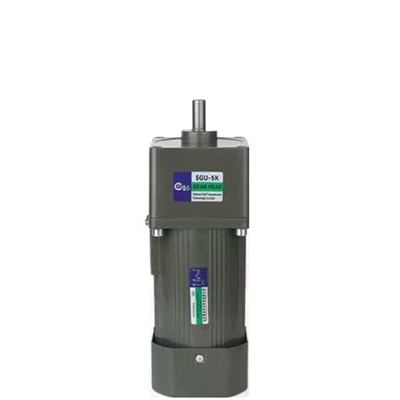
Hey there! As a supplier of vertical pumps, I've seen firsthand how important it is to keep these machines in top - notch condition. A well - maintained vertical pump not only runs more efficiently but also has a longer lifespan, saving you both time and money in the long run. So, let's dive into how to maintain a vertical pump.
Regular Inspections
The first step in maintaining a vertical pump is regular inspections. You should check the pump on a routine basis, and the frequency depends on how often the pump is used. For pumps that run continuously, a weekly or bi - weekly inspection might be necessary. For those used less frequently, a monthly check could suffice.
During an inspection, start by looking at the pump's exterior. Check for any signs of leaks, cracks, or corrosion. Leaks can lead to loss of fluid and reduced pump efficiency. Cracks might compromise the structural integrity of the pump, and corrosion can eat away at the pump's components over time.
Next, examine the motor. Make sure it's running smoothly and quietly. Listen for any unusual noises like grinding, rattling, or screeching. These could be signs of a problem with the motor bearings or other internal components. Check the motor's temperature as well. If it's overheating, it could indicate an electrical issue or excessive load on the motor.
Also, take a look at the pump's impeller. The impeller is a crucial part of the pump that moves the fluid. Look for any signs of wear, such as chipped or damaged blades. A worn impeller can significantly reduce the pump's performance. You can find high - quality impellers for different types of vertical pumps on our website, like the Vertical Pipeline Pump.
Lubrication
Proper lubrication is essential for the smooth operation of a vertical pump. The bearings and other moving parts need to be lubricated regularly to reduce friction and prevent wear.
Use the lubricant recommended by the pump manufacturer. Different pumps may require different types of lubricants, so it's important to get this right. Over - lubrication can be just as bad as under - lubrication. Too much lubricant can cause overheating and attract dirt and debris, which can damage the pump.
Follow the manufacturer's guidelines on how often to lubricate the pump. In general, pumps that run continuously may need more frequent lubrication than those used intermittently. Keep a record of when you last lubricated the pump to ensure you don't miss a scheduled lubrication.


Alignment
Correct alignment of the pump and motor is another key factor in pump maintenance. Misalignment can cause excessive vibration, which can lead to premature wear of the bearings, seals, and other components.
You can use alignment tools to check the alignment of the pump and motor. If you find that they are misaligned, adjust them as soon as possible. This may require some technical skills, so if you're not confident in doing it yourself, it's best to call in a professional.
Seal Maintenance
The seals in a vertical pump prevent fluid from leaking out and keep contaminants from entering the pump. Over time, seals can wear out or become damaged.
Inspect the seals regularly for signs of leakage or damage. If you notice any leaks around the seals, it's likely time to replace them. When replacing seals, make sure to use the correct type and size of seal for your pump. You can find suitable seals for various vertical pumps, including the Industrial Vertical Pipeline Pump.
Filtration
Installing a good filtration system is a great way to protect your vertical pump. Filters can remove dirt, debris, and other contaminants from the fluid before it enters the pump. This helps prevent damage to the pump's internal components, such as the impeller and bearings.
Choose a filter with the appropriate filtration rating for your application. A filter that is too fine may cause excessive pressure drop, while a filter that is too coarse may not remove enough contaminants. Regularly clean or replace the filters according to the manufacturer's recommendations.
Monitoring Performance
Keep an eye on the pump's performance parameters, such as flow rate, pressure, and power consumption. Any significant changes in these parameters could indicate a problem with the pump.
Use monitoring devices to record these parameters over time. You can then analyze the data to detect any trends or anomalies. For example, a sudden drop in flow rate could mean a blockage in the pump or a problem with the impeller. By catching these issues early, you can prevent more serious problems from developing.
Cleaning
Regular cleaning of the pump is also important. Over time, dirt, debris, and scale can build up inside the pump, reducing its efficiency.
You can use a mild detergent and water to clean the exterior of the pump. For the interior, you may need to use specialized cleaning solutions or techniques, depending on the type of pump and the nature of the contaminants. Be careful not to damage any of the pump's components during the cleaning process.
Spare Parts Management
Having a supply of spare parts on hand can save you a lot of time and hassle in case of a pump breakdown. Keep a stock of essential spare parts, such as seals, bearings, and impellers.
Make sure to source your spare parts from a reliable supplier. As a vertical pump supplier, we offer a wide range of high - quality spare parts for different types of vertical pumps, including the ISW Vertical Pump.
Training
If you have multiple people operating or maintaining the vertical pump, make sure they are properly trained. Training should cover topics such as pump operation, maintenance procedures, safety precautions, and troubleshooting.
Well - trained personnel are more likely to operate the pump correctly and identify and address problems in a timely manner. This can help extend the life of the pump and reduce the risk of costly breakdowns.
In conclusion, maintaining a vertical pump requires a combination of regular inspections, proper lubrication, correct alignment, seal maintenance, filtration, performance monitoring, cleaning, spare parts management, and training. By following these steps, you can ensure that your vertical pump runs smoothly and efficiently for years to come.
If you're in the market for a new vertical pump or need any spare parts or maintenance services, don't hesitate to get in touch. We're here to help you with all your vertical pump needs. Whether you're looking for a Vertical Pipeline Pump, an Industrial Vertical Pipeline Pump, or an ISW Vertical Pump, we've got you covered. Let's start a conversation about your requirements and find the best solution for you.
References
- Pump Manufacturer's Manuals
- Industry Standards for Pump Maintenance