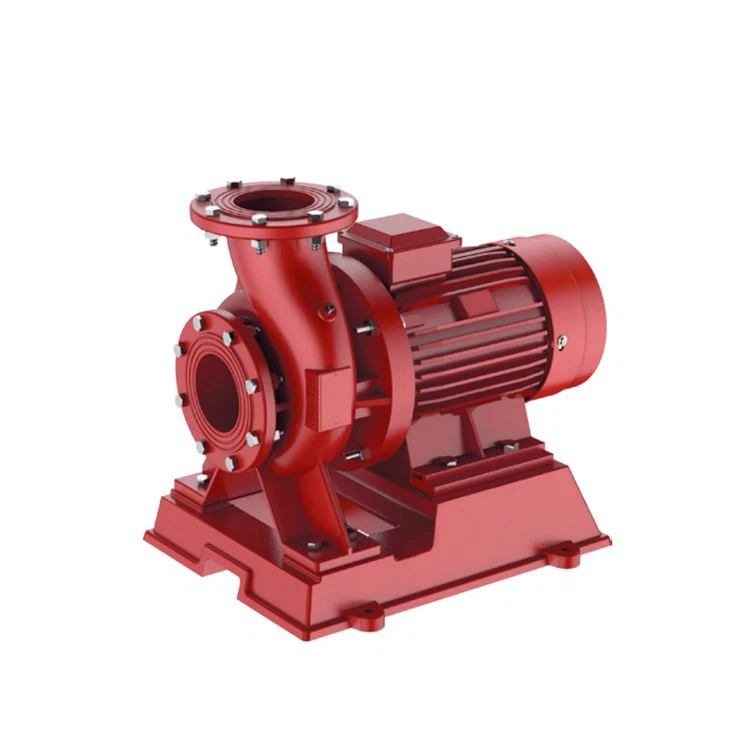
As a trusted supplier of ISW Horizontal Pump, I understand the importance of proper maintenance to ensure the optimal performance and longevity of these pumps. One crucial aspect of maintenance is the lubrication of the bearings. In this blog, I will share some detailed and practical steps on how to lubricate the bearings of the ISW Horizontal Pump.
Understanding the Importance of Bearing Lubrication
Bearings play a vital role in the operation of the ISW Horizontal Pump. They support the rotating shaft, reduce friction, and ensure smooth and efficient movement. Proper lubrication of the bearings is essential for several reasons. Firstly, it reduces the friction between the moving parts, which in turn minimizes wear and tear. This helps to extend the service life of the bearings and the entire pump. Secondly, lubrication helps to dissipate heat generated during operation. Excessive heat can damage the bearings and other components of the pump, so effective heat dissipation is crucial for reliable performance. Finally, lubrication protects the bearings from corrosion and contamination, ensuring their proper functioning in various operating environments.
Types of Lubricants for ISW Horizontal Pump Bearings
There are two main types of lubricants used for bearings in the ISW Horizontal Pump: grease and oil.
Grease Lubrication: Grease is a popular choice for bearing lubrication in many applications, including the ISW Horizontal Pump. It has several advantages. Grease forms a seal around the bearings, preventing the ingress of contaminants such as dust and moisture. It also provides long - term lubrication, reducing the frequency of lubricant replenishment. However, grease has a higher viscosity than oil, which can cause higher operating temperatures in some cases. When choosing grease for the ISW Horizontal Pump bearings, it is important to select a high - quality grease with the appropriate consistency and performance characteristics. The grease should have good oxidation resistance, water resistance, and anti - wear properties.
Oil Lubrication: Oil lubrication is another option for the bearings of the ISW Horizontal Pump. Oil has lower viscosity than grease, which allows for better heat dissipation and lower operating temperatures. It also provides more effective flushing of contaminants from the bearings. However, oil lubrication systems are more complex and require proper maintenance to prevent oil leakage. The oil used for bearing lubrication should have the right viscosity for the operating conditions of the pump. Viscosity is a measure of the oil's resistance to flow, and it is important to select an oil with a viscosity that is suitable for the speed, load, and temperature of the bearings.
Pre - Lubrication Checks
Before starting the lubrication process, it is important to perform a series of pre - lubrication checks to ensure the safety and effectiveness of the operation.
Inspect the Bearings: Check the bearings for any signs of damage, such as cracks, pitting, or excessive wear. If any damage is detected, the bearings should be replaced before lubrication.
Clean the Bearing Housing: Remove any dirt, debris, or old lubricant from the bearing housing. A clean housing ensures proper adhesion of the new lubricant and prevents contamination of the bearings.
Check the Lubricant: Ensure that the lubricant you are using is the correct type and grade for the ISW Horizontal Pump bearings. Check the expiration date and storage conditions of the lubricant to ensure its quality.
Lubrication Procedures for Grease - Lubricated Bearings
If your ISW Horizontal Pump uses grease - lubricated bearings, follow these steps for proper lubrication:
Step 1: Determine the Lubrication Interval
Refer to the pump's operation manual to determine the recommended lubrication interval. The lubrication interval depends on factors such as the operating speed, load, and temperature of the pump.
Step 2: Prepare the Grease Gun
Load the appropriate amount of grease into the grease gun. Make sure the grease gun is clean and in good working condition.

Step 3: Locate the Grease Fittings
Identify the grease fittings on the bearing housing. These are usually small nipples where the grease gun can be attached.
Step 4: Apply the Grease
Attach the grease gun to the grease fitting and slowly pump the grease into the bearing housing. Apply the grease until a small amount of fresh grease starts to emerge from the bearing seals. This indicates that the old grease has been displaced and the bearings are properly lubricated.
Step 5: Wipe off Excess Grease
After lubrication, wipe off any excess grease from the bearing housing and surrounding areas. Excess grease can attract dirt and debris, which can cause problems for the bearings.
Lubrication Procedures for Oil - Lubricated Bearings
For oil - lubricated bearings in the ISW Horizontal Pump, the following steps should be followed:
Step 1: Check the Oil Level
Use the sight glass or dipstick on the oil reservoir to check the oil level. The oil level should be within the recommended range. If the oil level is low, add the appropriate amount of oil.
Step 2: Inspect the Oil Quality
Periodically check the quality of the oil. Look for signs of contamination, such as water, dirt, or metal particles. If the oil is contaminated, it should be changed.
Step 3: Change the Oil
When it is time to change the oil, drain the old oil from the reservoir. Make sure to follow the proper disposal procedures for the used oil. Then, clean the oil reservoir thoroughly before adding fresh oil.
Step 4: Monitor the Oil Temperature and Level
During operation, monitor the oil temperature and level regularly. High oil temperatures can indicate a problem with the lubrication system or the bearings. If the oil level drops unexpectedly, check for oil leaks.
Post - Lubrication Checks
After lubricating the bearings, it is important to perform post - lubrication checks to ensure that the lubrication process was successful.
Check for Leaks: Inspect the bearing housing and surrounding areas for any signs of oil or grease leakage. If a leak is detected, identify the source and take appropriate measures to fix it.
Monitor the Pump Performance: Start the pump and monitor its performance. Check for any unusual noises, vibrations, or temperature changes. If any problems are detected, stop the pump immediately and investigate the cause.
Conclusion
Proper lubrication of the bearings is essential for the reliable operation and long - term performance of the ISW Horizontal Pump. By following the steps outlined in this blog, you can ensure that your pump's bearings are properly lubricated, reducing the risk of premature failure and costly repairs.
If you are in the market for an Industrial Horizontal Pipeline Pump or a Horizontal Pipeline Pump, or if you need more information about bearing lubrication or pump maintenance, we are here to help. Our team of experts can provide you with the best solutions and support for your pumping needs. Contact us today to start a procurement discussion and find the perfect pump for your application.
References
- Pump Operation and Maintenance Manuals
- Bearing Manufacturer's Technical Documentation
- Industry Standards for Pump Lubrication