As a supplier of horizontal pumps, I've seen firsthand the importance of ensuring a stable start for horizontal pump motors. A smooth start not only extends the motor's lifespan but also enhances the overall efficiency of the pump system. In this blog, I'll share some practical tips on how to achieve this.
1. Pre - start Inspection
Before starting the horizontal pump motor, a thorough inspection is crucial. First, check the motor's power supply. Make sure the voltage is within the rated range of the motor. Fluctuations in voltage can cause the motor to draw more current during startup, leading to overheating and potential damage. For example, if the rated voltage of a motor is 380V, it's important to ensure that the actual supply voltage is close to this value.
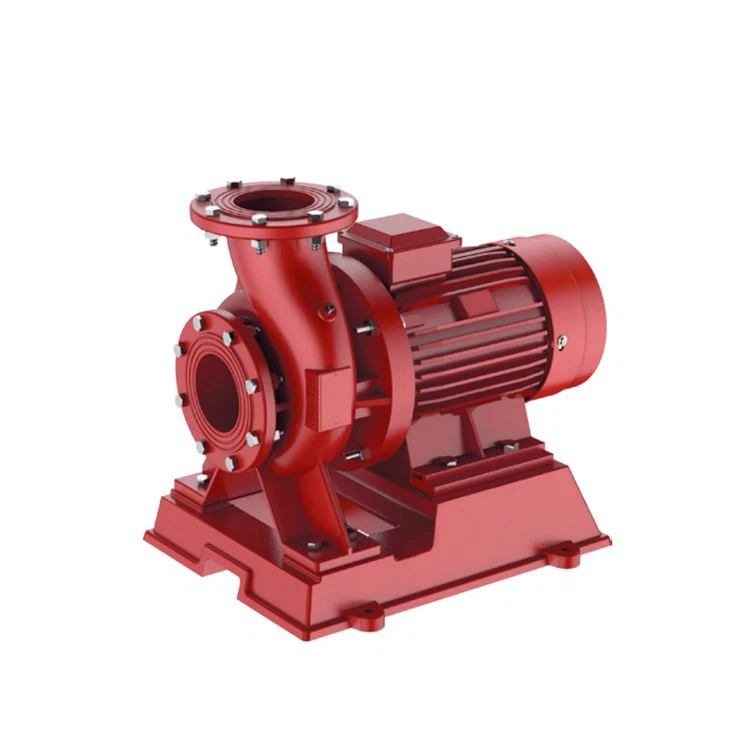
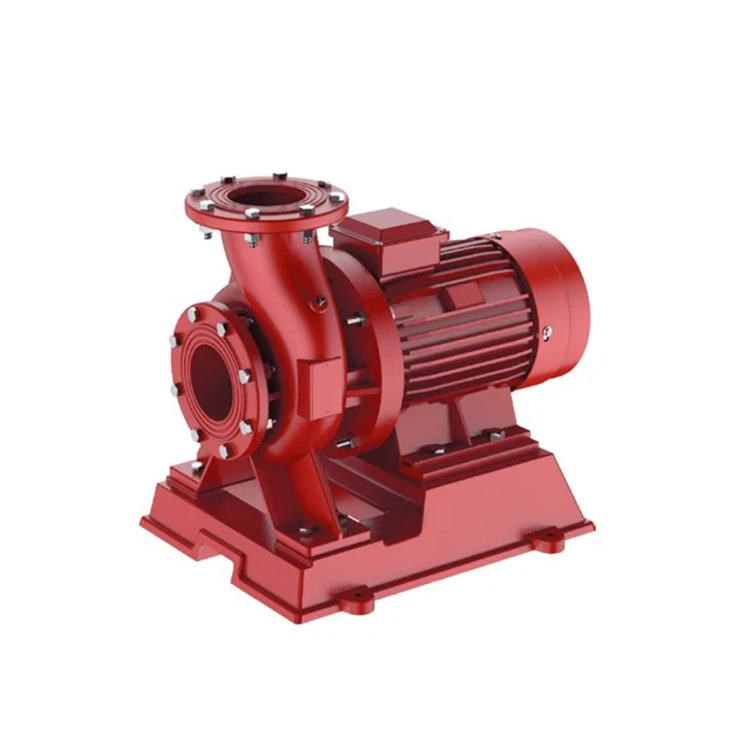
Next, examine the motor's wiring. Loose or damaged wires can result in poor electrical connections, which may cause arcing and further damage to the motor. Check for any signs of fraying, corrosion, or loose terminals. Tighten any loose connections and replace damaged wires promptly.
Also, don't forget to check the pump's mechanical components. Ensure that the pump shaft rotates freely. You can manually turn the shaft by hand to see if there is any resistance or abnormal noise. If there is, it could indicate a problem such as a jammed impeller or misaligned coupling. For instance, in our ISW Horizontal Pump, a well - maintained mechanical system is essential for a stable start.
2. Lubrication
Proper lubrication is another key factor in ensuring a stable start for the horizontal pump motor. The bearings in the motor and pump need to be lubricated regularly. Insufficient lubrication can increase friction, which in turn raises the temperature of the bearings and can lead to premature wear.
Choose the right type of lubricant according to the manufacturer's recommendations. Different motors and pumps may require different lubricants based on factors such as operating temperature, load, and speed. For example, in a high - speed horizontal pump like our Horizontal Pipeline Pump, a lubricant with good anti - wear and high - speed performance is necessary.
Check the lubricant level regularly. If the level is low, top it up. Also, look for signs of contamination in the lubricant, such as dirt or water. Contaminated lubricant can reduce its effectiveness and cause damage to the bearings.
3. Soft Start Devices
Using soft start devices can significantly improve the starting stability of horizontal pump motors. A soft start device gradually increases the voltage applied to the motor during startup, which reduces the inrush current. Inrush current is the large current that flows through the motor when it starts, and it can cause voltage dips in the power supply system and put stress on the motor windings.
There are different types of soft start devices available, such as thyristor - based soft starters and variable frequency drives (VFDs). Thyristor - based soft starters control the voltage by adjusting the firing angle of the thyristors. They are relatively simple and cost - effective. VFDs, on the other hand, can not only control the voltage but also the frequency of the power supply to the motor. This allows for more precise control of the motor's speed and torque during startup. For industrial applications like our Industrial Horizontal Pipeline Pump, VFDs are often a great choice as they can optimize the pump's performance according to the actual load.
4. Load Management
Proper load management is essential for a stable start. Avoid starting the pump motor under a heavy load. If the pump is required to handle a large volume of fluid or a high - pressure application right from the start, it can put excessive stress on the motor.
One way to manage the load is to use a bypass valve. A bypass valve allows some of the fluid to be redirected back to the suction side of the pump during startup. This reduces the load on the pump and makes it easier for the motor to start. As the motor reaches its operating speed, the bypass valve can be gradually closed to increase the flow through the pump.
Another approach is to start the pump in stages. For example, if the pump has multiple impellers, you can start the pump with only one impeller operating initially and then gradually add more impellers as the motor stabilizes.
5. Cooling System
A well - functioning cooling system is vital for the stable operation of the horizontal pump motor, especially during startup. The motor generates heat when it starts, and if the heat cannot be dissipated effectively, it can cause the motor temperature to rise rapidly, which may lead to insulation damage and motor failure.
Check the cooling fan of the motor to ensure that it is working properly. The cooling fan helps to blow air over the motor to remove heat. Also, make sure that the cooling fins on the motor are clean and not blocked. Blocked cooling fins can reduce the heat transfer efficiency.
In some cases, additional cooling methods such as water - cooling may be required, especially for high - power horizontal pump motors. Ensure that the water - cooling system has a sufficient water supply and that the water flow is unobstructed.
6. Monitoring and Maintenance
Regular monitoring and maintenance are the keys to long - term stable starting of horizontal pump motors. Install monitoring devices such as current sensors, temperature sensors, and vibration sensors. These sensors can provide real - time data on the motor's operating conditions.
For example, a current sensor can detect any abnormal increase in current during startup, which may indicate a problem such as a short - circuit or a mechanical jam. A temperature sensor can monitor the motor temperature, and if the temperature rises above the normal range, it can trigger an alarm so that you can take corrective action.
Perform regular maintenance tasks such as cleaning the motor, tightening electrical connections, and replacing worn - out parts. By doing so, you can prevent potential problems from occurring and ensure that the motor starts stably every time.
In conclusion, ensuring the stable starting of a horizontal pump motor requires a comprehensive approach that includes pre - start inspection, proper lubrication, the use of soft start devices, load management, a well - functioning cooling system, and regular monitoring and maintenance. As a horizontal pump supplier, we are committed to providing high - quality pumps and sharing our expertise to help our customers achieve optimal performance from their pump systems.
If you're interested in our horizontal pumps or need more advice on ensuring stable motor starts, feel free to contact us for a procurement discussion. We're here to assist you with all your horizontal pump needs.
References
- "Pump Handbook" by Igor J. Karassik, Joseph P. Messina, Paul Cooper, and Charles C. Heald.
- "Electrical Motor Handbook" by various industry experts.