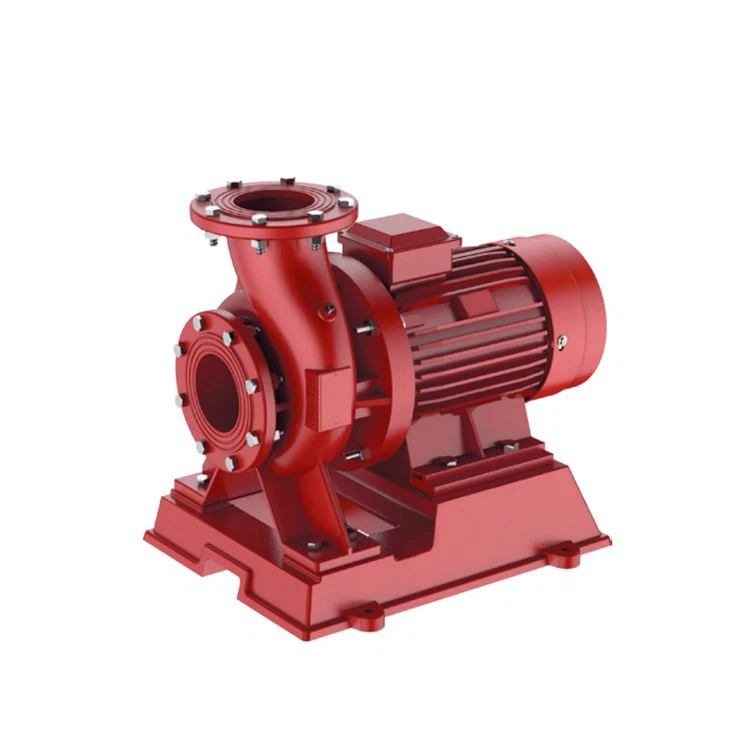
Hey there! As a supplier of the ISW Horizontal Pump, I've had my fair share of experiences with disassembling and reassembling these pumps. Today, I'm gonna walk you through the process of how to assemble the ISW Horizontal Pump after disassembly.
Pre - assembly Checks
Before we start putting the pump back together, it's crucial to do a thorough inspection of all the parts. First off, clean each part carefully. Use a suitable cleaning agent to get rid of any dirt, debris, or old lubricant. This not only helps in better visual inspection but also ensures the smooth operation of the pump later on.
Check for any signs of wear and tear. Look for cracks, chips, or excessive corrosion on the impeller, casing, and shaft. If you find any damaged parts, it's a good idea to replace them. We offer a wide range of replacement parts for the ISW Horizontal Pump, so you don't have to worry about sourcing them elsewhere.
Also, make sure you have all the necessary tools ready. You'll typically need wrenches, screwdrivers, and maybe a puller if you had to remove the impeller forcefully during disassembly.
Assembling the Shaft and Bearings
Let's start with the shaft and bearings. First, take the shaft and apply a thin layer of lubricant on it. This helps in easy installation of the bearings and reduces friction. Slide the bearings onto the shaft carefully, making sure they are properly seated. You might need to use a bearing puller or a press to get them in place correctly.
Once the bearings are on, install the bearing housings. These housings should fit snugly around the bearings. Tighten the bolts on the bearing housings gradually and evenly. This ensures that the bearings are aligned properly and will rotate smoothly.
Installing the Impeller
The impeller is a key component of the pump. Before installing it, check the impeller for balance. An unbalanced impeller can cause vibrations and reduce the efficiency of the pump.
Slide the impeller onto the shaft. There's usually a keyway on the shaft and a corresponding key in the impeller. Make sure the key fits into the keyway properly. Then, use a nut or a locking device to secure the impeller to the shaft. Tighten the nut to the recommended torque value. Over - tightening can damage the impeller or the shaft, while under - tightening can cause the impeller to come loose during operation.
Attaching the Casing
Now, it's time to attach the pump casing. First, clean the mating surfaces of the casing and the other parts. Apply a gasket or a sealant to prevent any leakage. Place the casing over the impeller and the shaft assembly. Align the holes in the casing with the corresponding holes in the other parts.
Start inserting the bolts through the holes. Tighten the bolts gradually in a criss - cross pattern. This helps in evenly distributing the pressure and ensures a proper seal. Don't forget to check the alignment of the casing with the shaft. A misaligned casing can cause the impeller to rub against the casing, leading to premature wear.
Connecting the Inlet and Outlet Pipes
After the casing is in place, it's time to connect the inlet and outlet pipes. These pipes are usually connected to the pump using flanges. Clean the flange surfaces and apply a gasket. Align the flanges of the pipes with the flanges on the pump. Insert the bolts and tighten them evenly.
Make sure the pipes are properly supported to avoid any stress on the pump. Improperly supported pipes can cause the pump to move or vibrate, which can affect its performance.

Electrical and Control Connections
If your ISW Horizontal Pump is electrically powered, you'll need to make the electrical connections. First, make sure the power is off before you start. Connect the motor wires to the appropriate terminals in the motor junction box. Follow the wiring diagram provided with the pump.
Also, install any control devices such as switches or sensors. These devices help in monitoring and controlling the operation of the pump. Make sure all the connections are secure and insulated to prevent any electrical hazards.
Testing the Assembled Pump
Once you've completed the assembly, it's time to test the pump. Before starting the pump, fill the pump casing with water to prime it. This helps in creating the necessary suction for the pump to start working properly.
Turn on the power and let the pump run for a few minutes. Listen for any unusual noises or vibrations. Check for any leaks around the casing, pipes, or electrical connections. If you notice any problems, stop the pump immediately and troubleshoot the issue.
Maintenance Tips
After the successful assembly and testing of the pump, it's important to follow a regular maintenance schedule. Check the lubricant levels in the bearings regularly and top them up if needed. Replace the lubricant at the recommended intervals.
Inspect the gaskets and seals for signs of wear and replace them as necessary. Also, keep an eye on the performance of the pump. If you notice a decrease in flow rate or pressure, it could be a sign of a problem that needs to be addressed.
Why Choose Our ISW Horizontal Pump
Our ISW Horizontal Pump is known for its high - quality construction and reliable performance. We use the latest manufacturing techniques and materials to ensure that our pumps can withstand the toughest industrial environments.
We also offer excellent customer support. If you have any questions about assembling, operating, or maintaining your pump, our team of experts is always ready to help.
If you're in the market for a Horizontal Pipeline Pump or an Industrial Horizontal Pipeline Pump, our ISW Horizontal Pump is a great choice. It's suitable for a wide range of applications, from water supply to industrial processes.
Contact Us for Procurement
If you're interested in purchasing an ISW Horizontal Pump or need replacement parts, don't hesitate to get in touch. We're always happy to discuss your specific requirements and offer the best solutions for your needs. Whether you're a small - scale user or a large industrial enterprise, we can provide you with the right pump at a competitive price.
References
- Pump Manufacturer's Manual
- Industrial Pump Handbook