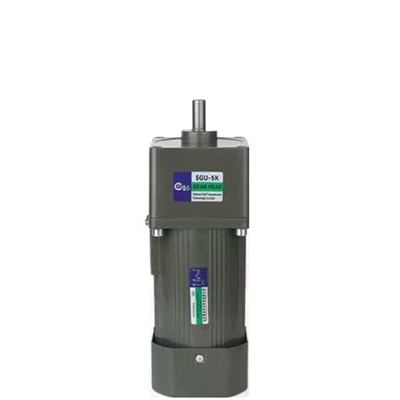
In the realm of industrial machinery, the choice between electric and hydraulic motors is a critical decision that can significantly impact efficiency, performance, and cost. As a leading supplier of IE4 Electric Motors, I am often asked about how the efficiency of our motors compares to that of hydraulic motors. In this blog post, I will delve into the technical aspects of both types of motors, explore their efficiency characteristics, and provide insights to help you make an informed decision for your industrial applications.
Understanding IE4 Electric Motors
IE4 Electric Motors represent the highest efficiency class in the international standard for electric motors. These motors are designed to minimize energy losses and maximize the conversion of electrical energy into mechanical energy. The key features of IE4 Electric Motors include advanced magnetic materials, optimized winding designs, and improved manufacturing processes.
One of the primary advantages of IE4 Electric Motors is their high efficiency. According to the International Electrotechnical Commission (IEC), IE4 motors have an efficiency of at least 90% at full load, which is significantly higher than the efficiency of lower-class motors. This high efficiency translates into lower energy consumption, reduced operating costs, and a smaller carbon footprint.
Another benefit of IE4 Electric Motors is their reliability and durability. These motors are built to withstand harsh industrial environments and have a long service life. They require less maintenance compared to hydraulic motors, which can save time and money in the long run.
Hydraulic Motors: An Overview
Hydraulic motors, on the other hand, use pressurized fluid to generate mechanical power. They are commonly used in applications that require high torque and precise control, such as construction equipment, mining machinery, and industrial automation systems.
Hydraulic motors offer several advantages, including high power density, smooth operation, and the ability to provide variable speed and torque. They can also operate in extreme conditions, such as high temperatures and high pressures.
However, hydraulic motors also have some limitations. One of the main drawbacks is their relatively low efficiency. Hydraulic systems typically have an efficiency of around 60-80%, which means that a significant amount of energy is lost in the form of heat. This inefficiency can lead to higher operating costs and increased environmental impact.
Another issue with hydraulic motors is their complexity and maintenance requirements. Hydraulic systems require a pump, valves, hoses, and other components, which can increase the risk of leaks and failures. Regular maintenance is essential to ensure the proper functioning of hydraulic motors, which can be time-consuming and expensive.
Efficiency Comparison: IE4 Electric Motors vs. Hydraulic Motors
When comparing the efficiency of IE4 Electric Motors and hydraulic motors, it is important to consider several factors, including the application requirements, operating conditions, and energy costs.
In general, IE4 Electric Motors are more efficient than hydraulic motors in applications that require continuous operation at a constant speed. This is because electric motors convert electrical energy directly into mechanical energy, with minimal energy losses. Hydraulic motors, on the other hand, require a pump to generate the pressurized fluid, which consumes additional energy.
For example, in a conveyor system that operates continuously at a fixed speed, an IE4 Electric Motor would be a more efficient choice than a hydraulic motor. The high efficiency of the electric motor would result in lower energy consumption and reduced operating costs over the long term.
However, in applications that require high torque and precise control, hydraulic motors may be a better option. Hydraulic motors can provide high torque at low speeds, which is ideal for applications such as lifting heavy loads or operating machinery with high inertia. They also offer smooth and precise control, which is important in applications that require accurate positioning.
For instance, in a construction crane that needs to lift heavy loads, a hydraulic motor would be more suitable than an electric motor. The high torque and precise control of the hydraulic motor would allow the crane to operate safely and efficiently.
Case Studies: Real-World Examples
To illustrate the efficiency differences between IE4 Electric Motors and hydraulic motors, let's look at some real-world case studies.


Case Study 1: Industrial Pumping System
A manufacturing plant was using a hydraulic motor to drive a pumping system. The hydraulic motor had an efficiency of around 70%, which resulted in high energy consumption and operating costs. The plant decided to replace the hydraulic motor with an IE4 Electric Motor.
After the replacement, the efficiency of the pumping system increased to over 90%. The energy consumption was reduced by 30%, and the operating costs were significantly lower. The IE4 Electric Motor also required less maintenance, which saved the plant time and money.
Case Study 2: Material Handling Equipment
A logistics company was using hydraulic motors in its material handling equipment, such as forklifts and pallet jacks. The hydraulic motors had a relatively low efficiency and required frequent maintenance. The company decided to switch to IE4 Electric Motors.
The new IE4 Electric Motors provided the same level of performance as the hydraulic motors but with higher efficiency. The energy consumption of the material handling equipment was reduced by 25%, and the maintenance costs were also lower. The electric motors were also quieter and more environmentally friendly.
Conclusion
In conclusion, the choice between IE4 Electric Motors and hydraulic motors depends on the specific application requirements, operating conditions, and energy costs. IE4 Electric Motors are generally more efficient than hydraulic motors in applications that require continuous operation at a constant speed. They offer high efficiency, reliability, and low maintenance requirements, which can result in significant cost savings over the long term.
However, hydraulic motors are still a viable option in applications that require high torque and precise control. They offer smooth operation and the ability to provide variable speed and torque, which is important in certain industrial applications.
As a supplier of IE4 Electric Motors, I am committed to providing our customers with the most efficient and reliable motor solutions. Our motors are designed to meet the highest international standards and are backed by our technical expertise and excellent customer service.
If you are considering upgrading your industrial motors or are in the process of selecting a motor for a new application, I encourage you to contact us for a consultation. Our team of experts can help you evaluate your requirements and recommend the most suitable motor solution for your needs. We look forward to working with you to improve the efficiency and performance of your industrial machinery.
References
- International Electrotechnical Commission (IEC). (2019). IEC 60034-30-1:2019 - Rotating electrical machines - Part 30-1: Efficiency classes of single-speed, three-phase, cage induction motors (IE code).
- Fluid Power World. (n.d.). Hydraulic Motor Basics. Retrieved from [Website URL]
- Electric Motor Manufacturers Association (EMMA). (n.d.). IE4 Electric Motors: The Future of Energy Efficiency. Retrieved from [Website URL]