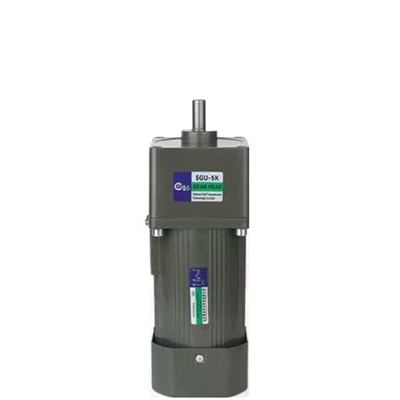
As a supplier of WQD Sewage Pumps, I often receive inquiries from customers regarding the installation method of our product, especially the question: "Can the WQD Sewage Pump be installed vertically?" In this blog, I will delve into this topic, examining the technical aspects, advantages, limitations, and considerations for vertical installation of the WQD Sewage Pump.
Technical Feasibility of Vertical Installation
The WQD Sewage Pump is designed to be highly versatile in terms of installation. From a technical perspective, vertical installation is indeed possible. The pump's structure features a compact and robust design that allows it to operate effectively in both vertical and horizontal orientations.
The motor and pump body are integrated in a way that ensures proper lubrication and cooling regardless of the installation angle. The impeller is precisely engineered to maintain its efficiency and performance when the pump is installed vertically. The sealing system of the WQD Sewage Pump is also designed to prevent leakage, even when the pump is operating in a vertical position. This is crucial as it ensures the safety and reliability of the pump during its operation.
Advantages of Vertical Installation
Space - Saving
One of the most significant advantages of vertical installation is space - saving. In many industrial and municipal applications, space can be a limiting factor. By installing the WQD Sewage Pump vertically, you can make the most of limited space. For example, in a small sewage treatment plant or a basement with restricted floor area, vertical installation allows the pump to be placed in a narrow space without sacrificing its functionality.
Improved Suction
Vertical installation can also improve the suction performance of the pump. When the pump is installed vertically, the suction port is located at the bottom, which means it can draw sewage more effectively. This is particularly beneficial in applications where the sewage level is relatively low, as the pump can still maintain a good suction capacity and prevent clogging.
Easy Maintenance
In some cases, vertical installation can make maintenance easier. The components of the pump are more accessible when it is installed vertically. For example, if there is a need to replace the impeller or check the seals, the vertical orientation allows for easier removal and reinstallation of these parts.
Limitations of Vertical Installation
Motor Cooling
Although the WQD Sewage Pump is designed to operate in various orientations, vertical installation can pose some challenges to motor cooling. When the pump is installed horizontally, the surrounding water can act as a coolant more effectively. In a vertical installation, the water flow around the motor may be less uniform, which could potentially lead to overheating if not properly managed.
Vibration and Stability
Vertical installation may also increase the risk of vibration and instability. The pump's weight and the force generated during operation can cause it to vibrate more compared to a horizontal installation. This vibration can lead to wear and tear on the pump and its mounting components, and in severe cases, it can even affect the performance and lifespan of the pump.
Considerations for Vertical Installation
Mounting and Support
Proper mounting and support are essential for the vertical installation of the WQD Sewage Pump. The pump should be securely mounted on a stable base to minimize vibration. A solid foundation, such as a concrete pedestal, can provide the necessary support. Additionally, vibration - damping materials can be used between the pump and the mounting base to reduce the impact of vibration.


Cooling System
To address the motor cooling issue, additional cooling measures may be required for vertical installation. This could include installing a separate cooling system, such as a water - cooled jacket or a forced - air cooling fan. Regular monitoring of the motor temperature is also crucial to ensure that it stays within the safe operating range.
Suction Pipe Design
The suction pipe design for vertical installation is different from that of horizontal installation. The suction pipe should be as short and straight as possible to minimize resistance. A proper slope should be maintained to prevent air pockets from forming in the pipe, which could affect the suction performance of the pump.
Comparison with Other Sewage Pumps
When comparing the WQD Sewage Pump's vertical installation with other types of sewage pumps, such as the Submersible Sewage Water Pump and the WQK Cutting Sewage Pump, several differences can be noted.
The Submersible Sewage Water Pump is typically designed for fully submerged operation. While it can also be installed vertically, its performance may be optimized for horizontal or angled installation in some cases. The WQK Cutting Sewage Pump, on the other hand, is designed with a cutting mechanism to deal with thicker and more fibrous sewage. Vertical installation may require additional considerations for the cutting mechanism to operate effectively.
The WQD Sewage Pump offers a good balance between performance and versatility in vertical installation. Its efficient impeller design and robust construction make it suitable for a wide range of sewage pumping applications in a vertical orientation.
Installation Guidelines
If you decide to install the WQD Sewage Pump vertically, here are some general guidelines to follow:
- Read the Manual: Thoroughly read the installation manual provided with the pump. It contains detailed instructions and safety precautions specific to the WQD Sewage Pump.
- Prepare the Site: Ensure that the installation site is clean, dry, and has adequate space for the pump and its associated components. The site should also have proper electrical connections and ventilation.
- Mount the Pump: Use the appropriate mounting hardware to secure the pump to the base. Make sure the pump is level and aligned correctly.
- Connect the Pipes: Connect the suction and discharge pipes according to the design requirements. Use proper gaskets and fittings to prevent leakage.
- Check the Electrical Connections: Ensure that all electrical connections are properly made and grounded. Follow the electrical wiring diagram provided in the manual.
- Test the Pump: Before full - scale operation, conduct a test run to check the pump's performance. Monitor the motor temperature, vibration, and flow rate during the test.
Conclusion
In conclusion, the WQD Sewage Pump can be installed vertically, offering several advantages such as space - saving, improved suction, and easy maintenance. However, it also has some limitations, including motor cooling and vibration issues. By taking the necessary considerations into account and following the proper installation guidelines, you can ensure the safe and efficient operation of the pump in a vertical orientation.
If you are interested in purchasing the WQD Sewage Pump or have any further questions about its installation, feel free to contact us. We are here to provide you with professional guidance and support to meet your sewage pumping needs.
References
- Manufacturer's installation and operation manual for WQD Sewage Pump.
- Industry standards and guidelines for sewage pump installation.