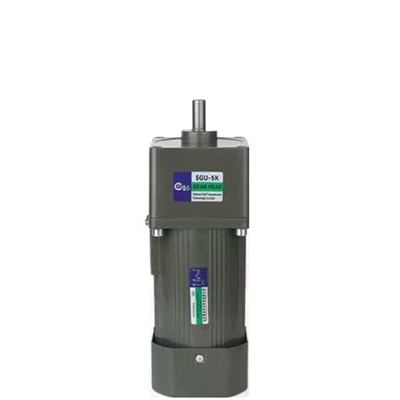
Can a 220V AC Gear Motor be used in a textile machine?
As a supplier of 220V AC Gear Motors, I often receive inquiries from customers in the textile industry about the suitability of our motors for their machines. In this blog post, I will delve into the technical aspects, benefits, and potential considerations when using a 220V AC Gear Motor in a textile machine.
Technical Compatibility
Textile machines operate under a wide range of conditions. They need motors that can provide precise speed control, sufficient torque, and reliable performance. A 220V AC Gear Motor is well - suited for many textile applications from a technical perspective.
The 220V AC power supply is a common standard in many regions, which means that the motor can be easily integrated into existing electrical systems in textile factories. This reduces the need for complex power conversion equipment and simplifies the installation process.
Gear motors, in general, are designed to provide high torque at low speeds. In textile machines, this is crucial for operations such as fabric winding, yarn spinning, and loom operation. The gearbox in a 220V AC Gear Motor allows for a reduction in speed while increasing the torque output. For example, in a fabric winding machine, a high - torque output is required to wind the heavy fabric rolls smoothly and without slippage.

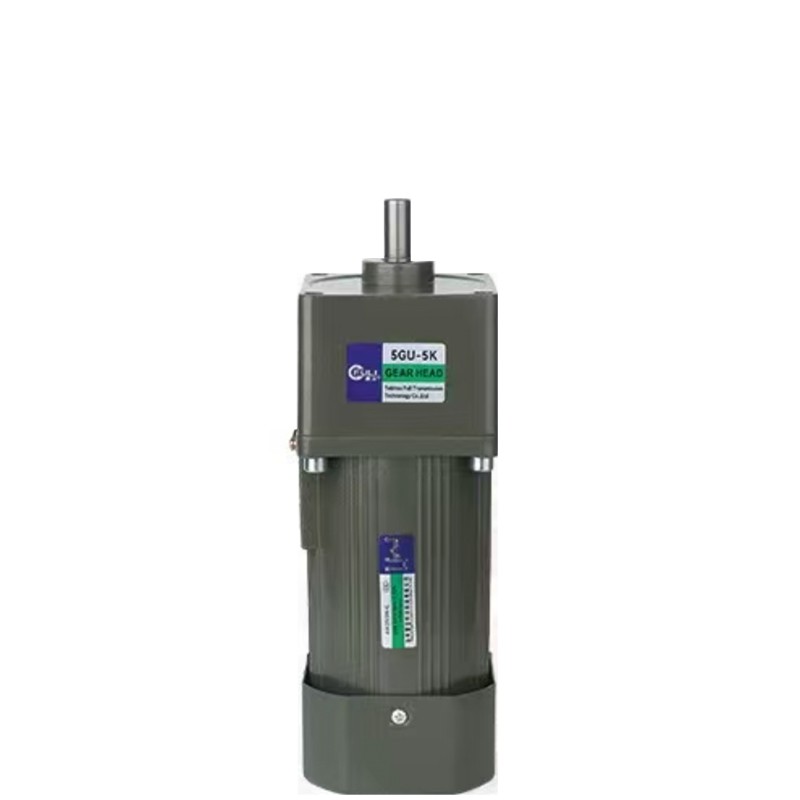
Benefits of Using a 220V AC Gear Motor in Textile Machines
-
Cost - effectiveness
220V AC Gear Motors are relatively cost - effective compared to some other types of motors. They have a simple design, which reduces manufacturing costs. Also, since the 220V power supply is widely available, there is no need to invest in expensive power infrastructure. This makes them an attractive option for textile manufacturers, especially small and medium - sized enterprises looking to keep their production costs down. -
Reliability
These motors are known for their reliability. They have fewer moving parts compared to some complex motor designs, which means there are fewer components that can fail. In a textile factory, where continuous operation is essential, a reliable motor is crucial to avoid production downtime. A 220V AC Gear Motor can operate for long periods with minimal maintenance, ensuring that the textile machines run smoothly. -
Speed Control
Textile processes often require precise speed control. A 220V AC Gear Motor can be easily integrated with speed control devices such as variable frequency drives (VFDs). VFDs allow for the adjustment of the motor's speed according to the specific requirements of the textile process. For instance, during the spinning process, different yarn thicknesses may require different spinning speeds, and a 220V AC Gear Motor with a VFD can provide the necessary flexibility. -
Versatility
220V AC Gear Motors come in a variety of power ratings and gear ratios. This versatility allows textile manufacturers to choose the motor that best suits their specific machine requirements. Whether it is a small - scale embroidery machine or a large - scale industrial loom, there is a 220V AC Gear Motor that can be adapted to the application. For example, a 200W AC Gear Motor may be suitable for a small - sized textile testing machine, while a higher - power motor may be required for a large - scale fabric weaving machine.
Potential Considerations
-
Noise and Vibration
In some textile applications, noise and vibration can be a concern. Although 220V AC Gear Motors are generally quiet, the gearbox can generate some noise and vibration, especially at high speeds. However, modern gear motor designs incorporate noise - reducing features such as precision - machined gears and vibration - dampening materials. Textile manufacturers should consider these factors when selecting a motor and may need to choose a motor with lower noise and vibration levels for applications where a quiet working environment is required. -
Heat Dissipation
During operation, motors generate heat. In a textile factory, where there may be multiple machines operating in a relatively confined space, heat dissipation can be a challenge. 220V AC Gear Motors need to be properly ventilated to ensure that they do not overheat. Textile manufacturers should ensure that the motor installation allows for adequate air circulation and may need to install additional cooling devices if necessary. -
Load Requirements
It is essential to accurately assess the load requirements of the textile machine. If the motor is under - sized, it may not be able to provide the necessary torque, leading to overheating and premature failure. On the other hand, an over - sized motor can be inefficient and costly. Textile manufacturers should work closely with motor suppliers to determine the appropriate motor size and gear ratio for their specific application.
Types of 220V AC Gear Motors Suitable for Textile Machines
-
Worm Gear Reduction Motor
Worm Gear Reduction Motors are a popular choice for textile machines due to their high torque output and compact design. They are suitable for applications where a large reduction in speed is required, such as in fabric winding and some types of spinning machines. The worm gear design provides a high level of self - locking, which can be beneficial in preventing the machine from back - driving during operation. -
Helical Gear Motor
Helical gear motors offer smooth and quiet operation, making them suitable for textile applications where noise is a concern. They have a higher efficiency compared to some other gear types, which can result in energy savings over the long term. Helical gear motors are often used in applications such as textile printing machines, where precise and quiet operation is required.
Conclusion
In conclusion, a 220V AC Gear Motor can be an excellent choice for textile machines. It offers technical compatibility, cost - effectiveness, reliability, speed control, and versatility. However, textile manufacturers need to consider factors such as noise, heat dissipation, and load requirements when selecting a motor.
As a supplier of 220V AC Gear Motors, we have a wide range of products to meet the diverse needs of the textile industry. If you are in the textile manufacturing business and are considering using a 220V AC Gear Motor in your machines, we would be happy to assist you in choosing the right motor for your specific application. Contact us to start a procurement discussion and find the perfect motor solution for your textile machines.
References
- "Electric Motors and Drives: Fundamentals, Types and Applications" by Austin Hughes
- "Textile Machinery Design and Operation" by various industry experts