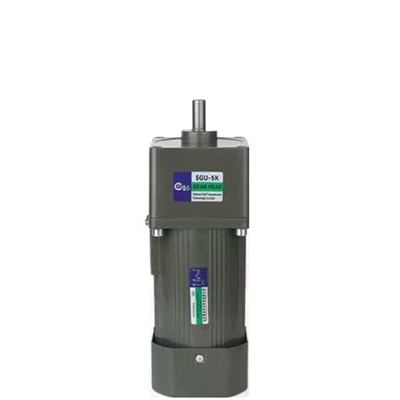
As a seasoned single phase motor supplier, I've witnessed firsthand the critical importance of protecting these motors from over - heating. Over - heating can not only significantly reduce the lifespan of a single phase motor but also lead to costly breakdowns and potential safety hazards. In this blog, I'll share some practical strategies to safeguard your single phase motors from excessive heat.
Understanding the Causes of Over - heating
Before we delve into the protective measures, it's essential to understand what causes a single phase motor to over - heat. One of the primary reasons is overloading. When a motor is forced to work beyond its rated capacity, it draws more current, which in turn generates excess heat. For instance, if a YL Series Single Phase Motor is used to drive a load that is too heavy for its specifications, the motor will struggle, and the temperature will rise rapidly.
Another common cause is poor ventilation. Single phase motors rely on proper air circulation to dissipate heat. If the motor is installed in an enclosed space or if the ventilation openings are blocked by dust, dirt, or debris, the heat cannot escape effectively, leading to over - heating.
Electrical issues such as low voltage, high resistance in the windings, or a malfunctioning capacitor can also cause over - heating. Low voltage can cause the motor to draw more current to maintain its speed, while a faulty capacitor can disrupt the motor's starting and running performance, both of which result in increased heat generation.


Protective Measures
Proper Sizing and Selection
The first step in protecting a single phase motor from over - heating is to ensure that it is correctly sized for the application. When selecting a motor, consider the load requirements, such as the torque, speed, and power needed to drive the equipment. For example, if you're looking for a motor to power a small pump, a ML Series Single Phase Motor might be a suitable choice, as it is designed to handle specific load characteristics.
Consult the motor's performance curves and specifications provided by the manufacturer to make an informed decision. An undersized motor will be overloaded, leading to over - heating, while an oversized motor can be inefficient and may also experience issues due to improper load matching.
Adequate Ventilation
Proper ventilation is crucial for heat dissipation. Install the motor in a well - ventilated area, away from heat sources such as furnaces or direct sunlight. Ensure that there is sufficient clearance around the motor to allow for unrestricted air flow. Regularly clean the ventilation openings to remove any dust or debris that may accumulate over time.
You can also consider using additional cooling methods, such as fans or heat sinks, especially in applications where the motor operates in a high - temperature environment. For example, in a factory setting where the ambient temperature is relatively high, a fan can be installed near the motor to enhance air circulation and keep the motor cool.
Thermal Protection Devices
Thermal protection devices are an effective way to prevent over - heating. These devices monitor the motor's temperature and automatically shut off the power when the temperature exceeds a safe limit. There are two main types of thermal protection devices: built - in thermal protectors and external thermal relays.
Built - in thermal protectors are typically integrated into the motor windings. They are designed to open the circuit when the temperature rises to a pre - set level, protecting the motor from damage. External thermal relays, on the other hand, are installed outside the motor and can be adjusted to suit different motor applications.
Regular Maintenance
Regular maintenance is essential for the long - term health of a single phase motor. Inspect the motor regularly for signs of wear and tear, such as loose connections, frayed wires, or damaged insulation. Check the motor's bearings for proper lubrication and replace them if necessary.
Clean the motor regularly to remove dirt and debris, which can impede ventilation and cause over - heating. Test the electrical parameters, such as voltage, current, and resistance, to ensure that the motor is operating within its normal range.
Monitoring and Control Systems
Implementing a monitoring and control system can help you keep track of the motor's performance and detect any potential issues before they lead to over - heating. These systems can monitor parameters such as temperature, current, and vibration, and provide real - time alerts if any abnormal readings are detected.
For example, you can use a temperature sensor to continuously monitor the motor's temperature and send an alert to your mobile device if the temperature exceeds a certain threshold. This allows you to take immediate action to prevent over - heating and minimize downtime.
Conclusion
Protecting a single phase motor from over - heating is a multi - faceted approach that involves proper sizing, adequate ventilation, the use of thermal protection devices, regular maintenance, and monitoring. By following these strategies, you can extend the lifespan of your motor, improve its reliability, and reduce the risk of costly breakdowns.
As a single phase motor supplier, I'm committed to providing high - quality motors and comprehensive support to our customers. If you're in the market for a single phase motor, such as a 220 Volt Single Phase Motor, or need more information on protecting your existing motor from over - heating, please feel free to reach out. We're here to help you make the right choice and ensure the optimal performance of your motor.
References
- Motor Application and Protection Handbook, Various Authors
- Electrical Engineering Textbooks on Motor Theory and Practice