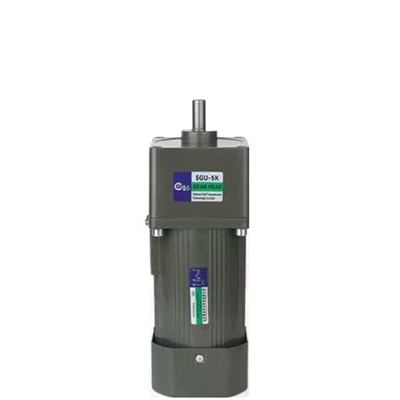
Hey there! As a supplier of Inverter Duty Motors, I've seen firsthand how the environment temperature can really mess with these motors. In this blog, I'm gonna break down the impacts of different environment temperatures on inverter duty motors and share some insights to help you keep your motors running smoothly.
How Temperature Affects Motor Performance
Let's start with the basics. Inverter duty motors are designed to work with variable frequency drives (VFDs), which allow for precise control of motor speed and torque. But when the environment temperature changes, it can throw a wrench in the works.
High Temperatures
When the temperature rises, the motor's insulation materials start to break down faster. This is a big deal because the insulation is what keeps the electrical currents in check. As it degrades, the risk of short circuits and electrical failures goes up.
Moreover, high temperatures can cause the motor to overheat. The heat generated by the motor during operation has a harder time dissipating into the surrounding environment. This can lead to a significant reduction in the motor's efficiency. You see, as the motor gets hotter, the resistance of its windings increases. According to Ohm's law (V = IR), for a given voltage, an increase in resistance means a decrease in current flow. But in an inverter duty motor, the inverter tries to maintain the required torque and speed, so it may draw more current, which in turn generates even more heat. It's a vicious cycle!
Another issue with high temperatures is the impact on the lubricants in the motor bearings. The viscosity of the lubricant decreases as the temperature rises, which means it may not provide adequate lubrication. This can result in increased friction and wear on the bearings, shortening their lifespan and potentially causing the motor to fail.
Low Temperatures
On the flip side, low temperatures can also be a problem. At cold temperatures, the insulation materials become more brittle. This makes them more prone to cracking, which can expose the electrical conductors and lead to short circuits.
The lubricants in the bearings also thicken in cold conditions. This increased viscosity can make it harder for the bearings to rotate smoothly, increasing the load on the motor and reducing its efficiency. Additionally, the cold can cause the metal components of the motor to contract. If the contraction is uneven, it can lead to misalignment of the motor's internal parts, which can cause vibration and premature wear.
Different Temperature Ratings and Their Significance
Inverter duty motors come with different temperature ratings, which indicate the maximum temperature at which the motor can operate safely. The most common temperature ratings are Class B, Class F, and Class H.
- Class B: Motors with a Class B temperature rating can operate at a maximum temperature of 130°C. These motors are suitable for applications where the environment temperature is relatively stable and not too high.
- Class F: Class F motors can handle a maximum temperature of 155°C. They offer more protection against high temperatures and are often used in applications where the motor may be exposed to higher heat loads.
- Class H: With a maximum temperature rating of 180°C, Class H motors are the most heat-resistant. They are ideal for applications in extremely hot environments or where the motor is subject to heavy-duty operation.
When choosing an inverter duty motor, it's crucial to consider the environment temperature and select a motor with an appropriate temperature rating. If you choose a motor with a lower temperature rating than required, you run the risk of premature motor failure. On the other hand, choosing a motor with a much higher temperature rating than necessary may be more expensive and less efficient.
Impact on Motor Life and Maintenance
The environment temperature has a direct impact on the lifespan of an inverter duty motor. As we've seen, high temperatures can accelerate the degradation of the insulation materials and bearings, while low temperatures can cause mechanical damage. Over time, these factors can significantly reduce the motor's lifespan.
In terms of maintenance, motors operating in extreme temperatures require more frequent checks. You need to monitor the motor's temperature regularly to ensure it's not overheating or getting too cold. You should also check the condition of the insulation and lubricants more often. If you notice any signs of degradation, such as cracks in the insulation or changes in the lubricant's viscosity, you may need to take corrective action, such as replacing the insulation or changing the lubricant.
Energy Efficiency and Temperature
Energy efficiency is a major concern for many users of inverter duty motors. The environment temperature can have a significant impact on a motor's energy efficiency. As mentioned earlier, high temperatures can increase the resistance of the motor's windings, which means the motor has to draw more current to maintain the same level of performance. This results in higher energy consumption.
On the other hand, low temperatures can also reduce efficiency due to the increased load on the motor caused by thickened lubricants and misaligned components. To maintain energy efficiency, it's important to keep the motor operating within its optimal temperature range.
Choosing the Right Motor for the Environment
When selecting an inverter duty motor, you need to take into account the specific environment in which it will operate. If you're working in a hot environment, consider a motor with a high temperature rating, such as a Class F or Class H motor. You may also want to look into motors with additional cooling features, such as fans or heat sinks.
If you're in a cold environment, choose a motor with insulation materials that are designed to withstand low temperatures. You may also need to consider using a heater to keep the motor warm during startup or periods of inactivity.
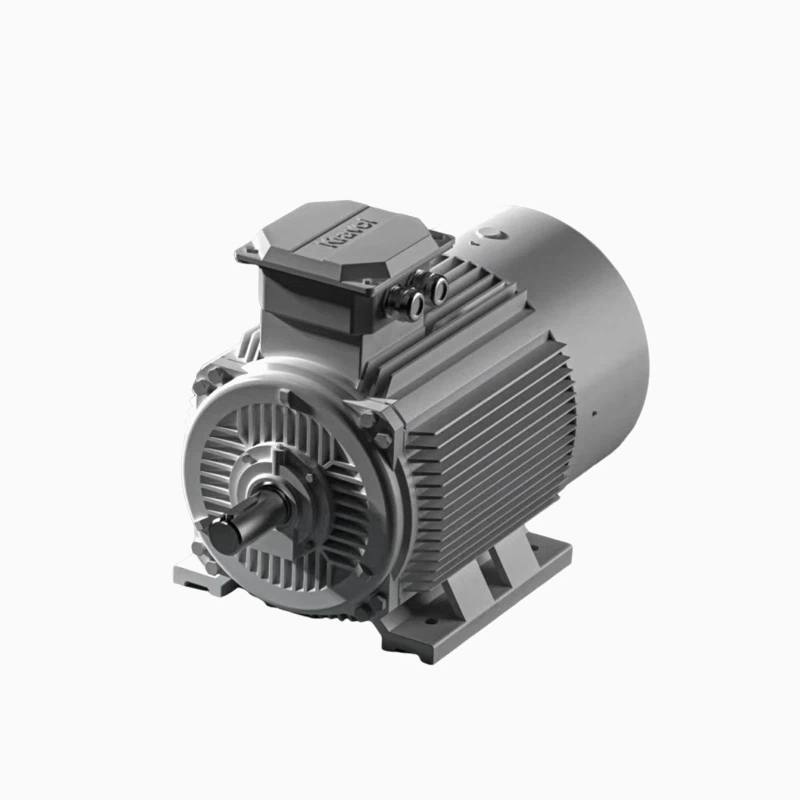

Here at our company, we offer a range of inverter duty motors, including IE2 Electric Motor, IE3 Electric Motor, and IE4 Electric Motor. These motors are designed to meet different energy efficiency standards and can be suitable for a variety of temperature environments.
Conclusion
In conclusion, the environment temperature has a profound impact on the performance, lifespan, and energy efficiency of inverter duty motors. Whether it's high or low temperatures, each presents its own set of challenges. By understanding these impacts and taking appropriate measures, such as choosing the right motor for the environment and implementing proper maintenance, you can ensure that your inverter duty motors operate reliably and efficiently.
If you're in the market for an inverter duty motor or have any questions about how temperature affects motor performance, don't hesitate to reach out. We're here to help you make the right choice for your application. Let's get the conversation started and find the perfect motor for your needs!
References
- Electrical Engineering textbooks on motor theory and operation
- Manufacturer's guidelines for inverter duty motors
- Industry standards for motor temperature ratings and performance