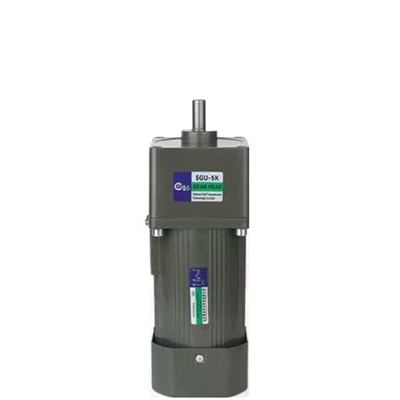
Hey there! As a supplier of Spindle Servo Motors, I've seen firsthand the headaches that resonance can cause in these motors. Resonance is like that annoying neighbor who just won't stop making noise at the worst times. It can lead to all sorts of problems, from reduced motor performance to premature wear and tear. So, in this blog, I'm gonna share some tips on how to avoid resonance in a spindle servo motor.
Understanding Resonance in Spindle Servo Motors
First things first, let's talk about what resonance actually is. In simple terms, resonance occurs when the natural frequency of a system matches the frequency of an external force. In the case of a spindle servo motor, this external force could be vibrations from the machine it's attached to, or even electrical interference. When resonance happens, the vibrations in the motor can amplify, causing it to shake and rattle like crazy.
This isn't just a minor annoyance. Resonance can lead to increased stress on the motor's components, which can eventually cause them to fail. It can also affect the accuracy and precision of the motor, which is a big deal in applications where every little movement counts.

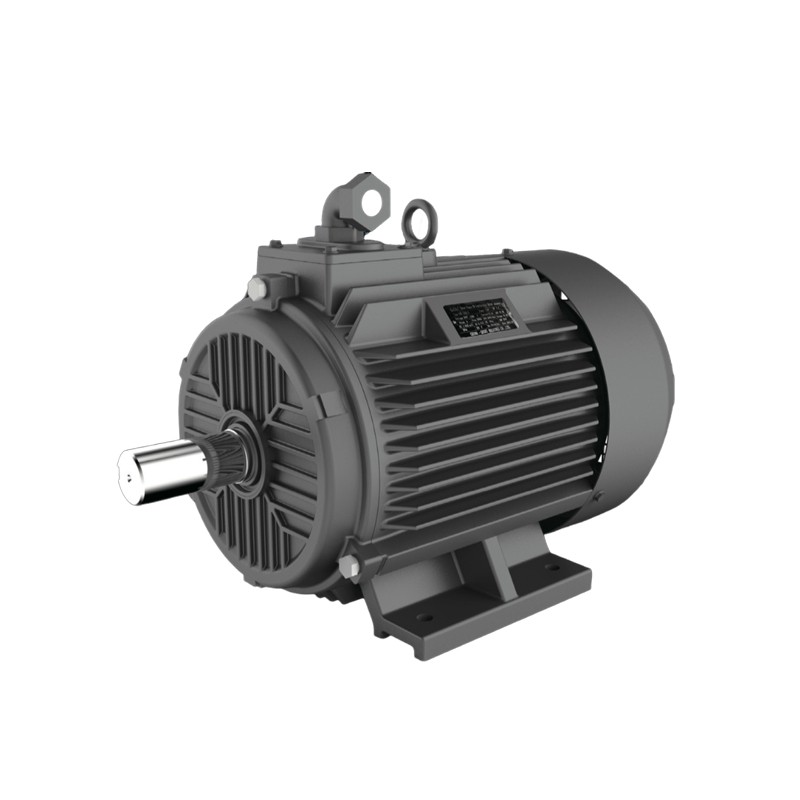
Factors Contributing to Resonance
There are several factors that can contribute to resonance in a spindle servo motor. One of the main culprits is the mechanical design of the motor and its mounting. If the motor isn't properly balanced or if it's mounted on a surface that vibrates easily, it can be more prone to resonance.
Another factor is the electrical characteristics of the motor. The type of drive system used, the quality of the power supply, and the control algorithms can all affect how the motor responds to external forces. For example, if the drive system isn't tuned correctly, it can cause the motor to oscillate at certain frequencies, which can lead to resonance.
The load that the motor is driving can also play a role. If the load has a natural frequency that matches the motor's, it can create a resonance condition. This is especially true in applications where the load is variable, such as in machining operations.
Tips to Avoid Resonance
Now that we know what causes resonance, let's talk about how to avoid it. Here are some tips that I've found to be effective:
1. Proper Motor Selection
Choosing the right spindle servo motor for your application is crucial. You need to consider factors such as the required torque, speed, and accuracy. Make sure to select a motor that has a wide operating range and is designed to handle the specific load and environmental conditions of your application.
For example, if you're using the motor in a high-speed machining application, you'll want to choose a motor that has a high dynamic response and can handle rapid changes in speed and torque. On the other hand, if you're using the motor in a low-speed, high-torque application, you'll want to choose a motor that has a high starting torque and can maintain a stable speed under load.
You can find a wide range of Spindle Servo Motor options on our website, which are designed to meet the needs of various applications.
2. Mechanical Design and Mounting
Proper mechanical design and mounting are essential for avoiding resonance. Make sure that the motor is properly balanced and that it's mounted on a stable surface. Use vibration isolation mounts or dampers to reduce the transmission of vibrations from the motor to the surrounding structure.
When designing the mechanical system, consider the natural frequencies of the components and try to avoid having them match the motor's natural frequency. You can use finite element analysis (FEA) or other simulation tools to analyze the mechanical system and identify potential resonance points.
3. Electrical Tuning
Tuning the electrical parameters of the motor and its drive system is another important step in avoiding resonance. This includes adjusting the gain settings, the speed and torque control loops, and the filter parameters. Make sure to follow the manufacturer's recommendations for tuning the drive system and use a tuning tool or software to optimize the performance of the motor.
For example, you can adjust the gain settings of the speed control loop to improve the motor's response to changes in speed. You can also adjust the filter parameters to reduce the effects of electrical noise and interference.
4. Load Management
Managing the load that the motor is driving can also help to avoid resonance. Make sure that the load is properly balanced and that it's not causing excessive vibrations. If possible, use a variable frequency drive (VFD) to control the speed of the motor and adjust it to match the load requirements.
In applications where the load is variable, such as in machining operations, you can use a load monitoring system to detect changes in the load and adjust the motor's speed and torque accordingly. This can help to prevent resonance from occurring.
5. Use of Anti-Resonance Techniques
There are several anti-resonance techniques that you can use to reduce the effects of resonance in a spindle servo motor. One of these techniques is the use of notch filters. A notch filter is a type of filter that can be used to attenuate a specific frequency or range of frequencies. By using a notch filter, you can reduce the amplitude of the vibrations at the resonant frequency and prevent them from causing problems.
Another technique is the use of active vibration control. Active vibration control systems use sensors to detect vibrations in the motor and then use actuators to apply counteracting forces to cancel out the vibrations. This can be an effective way to reduce the effects of resonance, especially in applications where the vibrations are severe.
Conclusion
Resonance can be a real pain in the neck when it comes to spindle servo motors. But by following these tips, you can reduce the risk of resonance and ensure that your motor operates smoothly and efficiently.
If you're looking for a reliable Spindle Servo Motor or need help with avoiding resonance in your application, don't hesitate to reach out. We're here to help you find the right solution for your needs.
References
- "Servo Motors and Drives: Fundamentals, Types and Applications" by Peter Nachtwey
- "Electric Motors and Drives: Fundamentals, Types and Applications" by Austin Hughes and Bill Drury